Pakistan demands release of 11 seamen held by Somali pirates


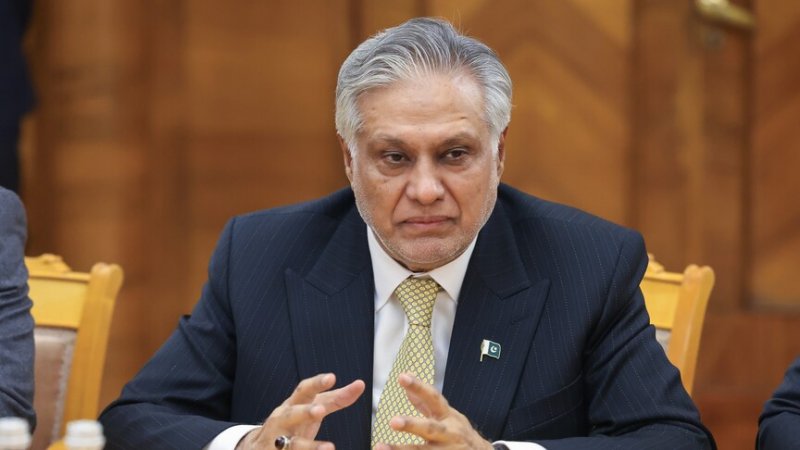
Pakistan has dramatically ramped up its diplomatic efforts to secure the urgent release of 11 Pakistani crew members who have been held hostage by Somali pirates for nearly two months.
On Tuesday, Pakistani Foreign Minister Ishaq Dar held a high-stakes telephone conversation with his Somalian counterpart, Abdisalam Abdi Ali, to formally convey Islamabad's "grave concern" regarding the crew's ongoing captivity. Dar strongly underscored the critical importance of ensuring the hostages' health and well-being, demanding an accelerated pathway toward their safe and immediate repatriation, News.Az reports, citing Anadolu Agency.
The complex crisis began on April 21, when heavily armed Somali pirates boarded and hijacked the Palau-flagged oil tanker MT Honour 25 off the southeastern coast of Somalia. The vessel, which is reportedly carrying a highly explosive cargo of 18,000 barrels of oil, has been held in captivity ever since, complicating potential military or law-enforcement rescue interventions due to severe safety risks.
RECOMMENDED STORIES
"The geographical circumstances, coupled with the fact that the ship is carrying highly explosive cargo, make any law-enforcement operation to secure the release of the captives extremely difficult," a Pakistani Foreign Office spokesperson acknowledged, emphasizing that negotiators are prioritizing the crew's survival.
During the call, Somali Foreign Minister Ali assured Pakistan of his government's "continued and sincere efforts" to work alongside the ship's owner—who remains the principal negotiator with the pirate action group—to orchestrate a swift resolution. Both nations formally committed to maintaining a locked-step coordination system until all crew members are safely home.
In a notable diplomatic aside during the high-pressure call, Minister Ali also lauded Pakistan’s active and "constructive" mediation efforts on the global stage, praising Islamabad's continuing work to help negotiate a peaceful settlement to the volatile conflict in the Middle East.
By Aysel Mammadzada


Similar news