US farms squeezed by higher fuel costs amid Iran war


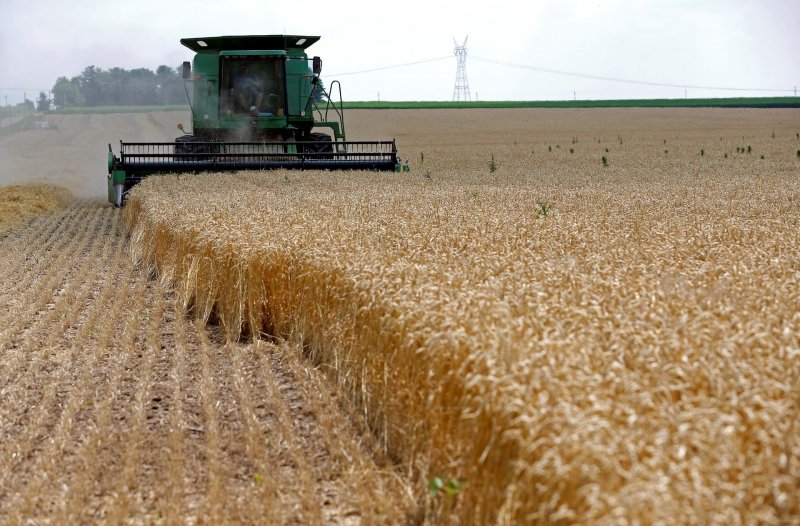
Rising energy costs are hitting U.S. grain and soybean farmers hard, as the conflict involving Iran disrupts fuel supplies through the Strait of Hormuz, driving diesel prices to record levels in major agricultural regions.
Many farmers were already under pressure before the conflict and facing a fourth straight year of shrinking margins, battered by a resurgent drought, high input costs and fallout from U.S. President Donald Trump's trade policies, which have weighed on crop prices, News.Az reports, citing Reuters.
RECOMMENDED STORIES
The conflict drove diesel prices in several states across the Midwest, America's primary corn and soybean-producing region, to new all-time highs in May, just as farmers ramped up plantings and other spring fieldwork. Wisconsin diesel hit $5.873 per gallon, while Indiana reached $6.167, and Illinois rose to $6.14 in mid-May. Ohio and Michigan also posted records, according to data from the motorists association AAA.
The national average diesel price has surged more than 40% since the Middle East conflict began. Global crude oil prices, which underpin diesel and gasoline, jumped about 30% since late February.
On farms across the U.S., diesel powers equipment needed for crucial field operations, from spraying pesticides and planting seeds to fertilizing fields and harvesting crops.
Unlike other sectors that can switch fuels, most U.S. farm machinery is designed to run on diesel, leaving farmers highly exposed to diesel price volatility.
"It's a huge cost," said Glenn Brunkow, who raises soybeans and cattle in Wamego, Kansas. "There's just not much we can do about it, and we weren't budgeting for it. It came out of nowhere and surprised us."
Prior to the war, fuel-related expenses accounted for about 3% to 4% of an average Illinois row-crop farmer's input costs, or roughly $16 to $23 per acre, said Ben Klieve, Benchmark Analyst, referencing estimates from the University of Illinois.
If diesel prices stay at their current level, fuel-related costs could rise to 5% to 6% of total input costs, or from a $20 per acre midpoint to $30 acre for row-crop farmers, Klieve said. "
It's a very difficult environment for row-crop farmers today," he said. "The prices of the grain that they're producing have fallen sharply in recent weeks and are actually down relative to the pre-Iran war levels, while input costs like diesel and fertilizer remain significantly higher so their bottom lines are only getting weaker."
By Ulviyya Salmanli


Similar news