US labels BYD, Alibaba, Baidu as ‘Chinese military companies’


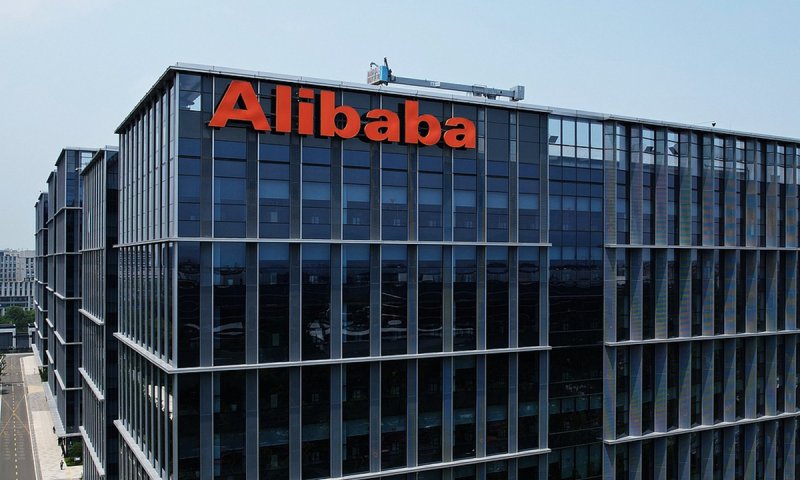
The United States has designated Chinese corporate giants Alibaba, BYD and Baidu as companies that support China’s military, expanding its blacklist to some of the country’s best-known commercial brands, News.Az reports, citing Al Jazeera.
The Pentagon included the firms in an update on Monday that is likely to complicate the fragile detente under way between Washington and Beijing after years of rocky relations.
China’s embassy in Washington, DC, condemned the listing as “discriminatory” and an example of the US government “overstretching” the concept of national security.
“Chinese companies that do business overseas have been strictly observing laws and regulations of their host countries,” an embassy spokesperson said.
“The US should stop its wrong practice and create a fair, just and non-discriminatory environment for Chinese companies.”
Alibaba, China’s biggest e-commerce company, said there was “no basis” for its inclusion on the blacklist.
“Alibaba is not a Chinese military company nor part of any military-civil fusion strategy,” a company spokesperson said.
“We will take all available legal action against attempts to misrepresent our company.”
BYD and Baidu did not immediately respond to requests for comment.
The Pentagon’s list of “Chinese military companies,” which is updated annually, now includes 188 firms, up from 134 in 2025.
Firms included on the list, which was created in 2021, and entities under their control will be barred from consideration for US defence contracts under rules set to come into effect later this month.
The Pentagon defines “Chinese military companies” as entities owned or controlled by the Chinese military, or that contribute to China’s “military civil fusion”, referring to Beijing’s strategy of melding civilian and defence-related research and innovation.
Companies must also carry out some of their operations in the US to be designated.
In its updated list, the Pentagon said Alibaba, BYD and Baidu supported China’s military development via their affiliations with the state-owned Assets Supervision and Administration Commission and the Ministry of Industry and Information Technology.
By Nijat Babayev


Similar news