Who is Roman Gofman, the new head of Mossad?


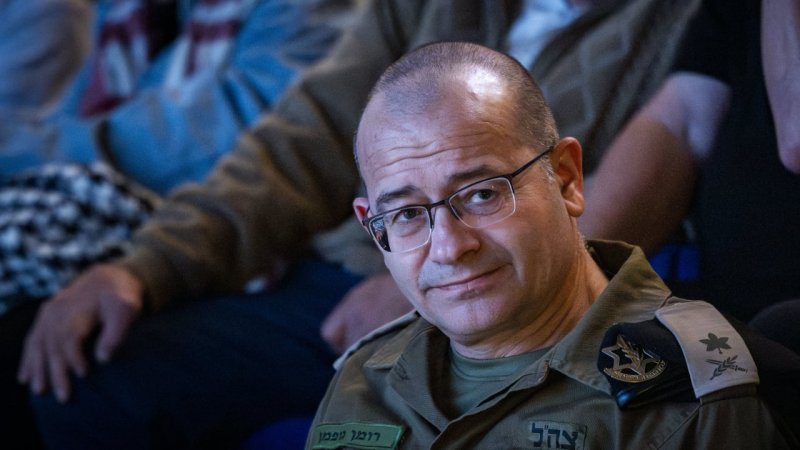
Roman Gofman is one of the most prominent figures in Israel's contemporary security establishment and currently serves as the director of Mossad, the country's foreign intelligence agency.
His appointment has attracted widespread attention because it marks the culmination of a long and distinguished career in military service, leadership and national security affairs, News.az reports.
For more than three decades, Gofman served in the Israel Defense Forces, advancing through numerous command positions and taking on increasingly significant responsibilities. Over the years, he gained experience in frontline operations, military training, organizational management and strategic planning. This broad professional background helped shape him into a leader capable of operating at both the tactical and strategic levels.
His career is often viewed as a story of steady progression through dedication, discipline and professional development. Starting as a young officer in armored units, he gradually rose through the ranks to become one of the most senior military figures in the country before moving into intelligence leadership. Today, he is responsible for guiding one of the world's most recognized intelligence organizations at a time when technological innovation, international cooperation and strategic intelligence play an increasingly important role in national security.
Where was Roman Gofman born?
Roman Gofman was born in 1976 in Belarus, which at the time was part of the Soviet Union. His early childhood was shaped by life in Eastern Europe during a period of major political and social change. When he was a teenager, his family made the decision to immigrate to Israel, joining thousands of other families from the former Soviet Union seeking new opportunities.
The move to Israel in 1990 represented a major turning point in his life. Like many young immigrants, Gofman had to adapt to a new language, educational system and cultural environment. The experience required determination, flexibility and resilience. These qualities would later become important elements of his professional identity.
The story of his immigration has often been highlighted because it reflects the broader contribution of immigrants from the former Soviet Union to Israeli society. Over the years, individuals from this community have become leaders in science, technology, politics, business and national security. Gofman's rise to one of the highest positions in the country's security establishment is frequently cited as an example of successful integration and achievement.
How did he begin his military career?
Gofman's military journey began in 1995 when he joined the Israel Defense Forces. He chose to serve in the Armored Corps, one of the military's most important combat branches. The corps is responsible for operating tanks and armored vehicles that form a central component of Israel's defense capabilities.
Military service in the Armored Corps requires extensive training and preparation. New recruits learn technical skills, leadership principles and operational procedures while developing the physical and mental resilience needed for demanding missions. Gofman quickly demonstrated strong leadership potential and advanced through officer training programs.
His early years in uniform provided him with firsthand experience in military operations and command responsibilities. Serving alongside fellow soldiers and officers, he developed practical leadership skills that would become increasingly important as he progressed through the ranks. These foundational experiences helped establish the professional reputation that supported his later advancement.
What positions did he hold in the military?
Throughout his career, Gofman occupied a wide variety of positions that exposed him to different aspects of military leadership and management. He began as a platoon commander, responsible for leading a small unit and ensuring that personnel completed their missions effectively.
As he gained experience, he became a company commander and later assumed battalion-level responsibilities. These positions required him to oversee larger numbers of personnel, coordinate training activities and manage operational planning. Each promotion brought new challenges and opportunities to develop leadership abilities.
Beyond command positions, Gofman also served in roles focused on operational planning, force development and training. These assignments allowed him to contribute to broader institutional goals and gain experience in organizational management. By working in both operational and administrative capacities, he acquired a comprehensive understanding of how military institutions function.
This diverse professional background helped prepare him for senior leadership roles where strategic thinking, personnel management and long-term planning were essential. It also provided experience that would later prove valuable in national security positions beyond the military.
What made him stand out as a military leader?
Several characteristics contributed to Gofman's reputation within the Israeli military. Colleagues and observers frequently noted his commitment to professional standards, operational readiness and continuous improvement.
One of his defining qualities was a strong focus on preparation. Throughout his career, he emphasized the importance of training, planning and readiness. Rather than concentrating solely on immediate operational requirements, he often focused on building capabilities that would remain effective in the future.
Another notable aspect of his leadership style was his ability to work across different levels of command. Whether leading a small unit or managing large organizations, he demonstrated an understanding of both tactical and strategic requirements. This ability to connect day-to-day operations with broader organizational objectives contributed to his advancement through the ranks.
His willingness to embrace innovation while maintaining core military principles also became a hallmark of his leadership. As technology transformed modern defense and security operations, he supported efforts to modernize training and preparedness while preserving the importance of professional military fundamentals.
What was his role in military training and readiness?
Training and readiness became central themes throughout Gofman's career. In several senior positions, he was responsible for ensuring that military personnel possessed the skills, knowledge and preparedness needed to meet evolving challenges.
These responsibilities included designing training programs, overseeing exercises and evaluating readiness standards. The goal was not simply to prepare soldiers for current requirements but also to help them adapt to future operational environments.
As military technology evolved, training methods also changed. Gofman participated in efforts to integrate new technologies, simulation systems and modern educational approaches into military preparation. This work helped improve the effectiveness of training programs and strengthened institutional capabilities.
His experience in this area contributed significantly to his reputation as a leader focused on long-term development rather than short-term solutions. It also provided valuable organizational management experience that would later prove relevant in intelligence leadership.
Which major military units did he command?
Among the most significant assignments of Gofman's career were his commands of the 75th Battalion and the 7th Armored Brigade. Both positions are highly respected within the Israeli military and are viewed as important milestones for senior officers.
Commanding a battalion requires balancing operational readiness, personnel management and leadership development. Battalion commanders oversee training programs, coordinate activities and ensure that units are prepared for a variety of missions.
His later command of the 7th Armored Brigade represented an even greater responsibility. The brigade is one of the most recognized armored formations in Israel and has a long history within the country's defense establishment. Leading such a unit requires not only operational expertise but also strategic vision and organizational leadership.
These assignments allowed Gofman to work closely with senior military leaders and contribute to major defense initiatives. They also helped establish him as one of the military's leading officers.
Why is the 7th Armored Brigade important?
The 7th Armored Brigade occupies a special place within Israel's military history. Since its establishment, the brigade has been associated with professionalism, readiness and operational excellence.
Over the decades, the brigade has played an important role in the development of Israel's armored capabilities. It has trained generations of officers and soldiers and has become one of the military's most respected formations.
Leadership of the brigade is considered a significant achievement because it reflects confidence in an officer's abilities. Commanders are expected to maintain high standards, develop future leaders and ensure that the unit remains prepared for evolving challenges.
Gofman's tenure as brigade commander further strengthened his reputation and demonstrated his ability to lead complex organizations effectively.
Did Gofman pursue advanced education?
Like many senior military leaders, Gofman recognized the importance of continuous learning. In addition to his operational experience, he pursued advanced professional education designed to prepare officers for strategic leadership roles.
A key milestone was his attendance at Israel's National Security College. The institution brings together senior military officers and security professionals for advanced studies in national security, strategic planning, international affairs and leadership.
The program encourages participants to think beyond immediate operational concerns and consider broader geopolitical, economic and technological trends. Through this education, Gofman gained additional insights into how national security policy is developed and implemented.
The combination of practical experience and advanced education helped prepare him for senior leadership positions that required both operational knowledge and strategic understanding.
What was his role before becoming Mossad chief?
Before assuming leadership of Mossad, Gofman served as military secretary to Prime Minister Benjamin Netanyahu. This position placed him at the center of Israel's national security decision-making process.
The role involved maintaining communication between the prime minister and security institutions, reviewing strategic assessments and helping coordinate discussions involving defense matters. Because the military secretary works closely with political leaders and senior security officials, the position requires a deep understanding of both military operations and national policy.
Serving in this capacity allowed Gofman to gain valuable experience at the highest levels of government. He became familiar with strategic decision making, interagency coordination and the broader national security environment.
The appointment also reflected the trust placed in him by senior leadership and demonstrated his ability to operate effectively in complex policy settings.
What does a military secretary do?
The military secretary serves as a senior adviser on defense and security issues. Although the position operates largely behind the scenes, it plays an important role in helping political leaders make informed decisions.
Responsibilities typically include reviewing security assessments, coordinating communication with defense institutions and ensuring that decision makers receive accurate and timely information. The role also requires participation in strategic discussions involving national security priorities.
Because the military secretary interacts with numerous organizations, strong leadership and communication skills are essential. The position provides a unique perspective on how government, military and intelligence institutions work together to address national security challenges.
For Gofman, this experience served as an important bridge between military leadership and intelligence leadership.
When did Roman Gofman become director of Mossad?
Roman Gofman officially became director of Mossad in 2026. The appointment marked the beginning of a new chapter in his professional career and placed him at the head of one of the world's most recognized intelligence organizations.
His selection reflected decades of leadership experience and service within Israel's security establishment. It also highlighted the value of broad security expertise developed through military command, training leadership and strategic advisory positions.
Taking over Mossad represented a significant responsibility. As director, Gofman became responsible for guiding the organization's strategic direction, overseeing its operations and supporting national security objectives.
The appointment demonstrated confidence in his ability to lead large organizations and navigate complex security environments.
What is Mossad?
Mossad is Israel's foreign intelligence agency and one of the country's most important national security institutions. The organization is responsible for gathering intelligence abroad, supporting strategic assessments and maintaining cooperation with international partners.
The agency operates in a global environment where information, technology and international relationships play an increasingly important role. Intelligence organizations help governments understand emerging developments, identify opportunities and support informed decision making.
Over the years, Mossad has earned international recognition for its professionalism and capabilities. The agency works alongside other Israeli security institutions while maintaining relationships with intelligence services around the world.
Its mission continues to evolve as technological innovation, geopolitical changes and new forms of security cooperation reshape the global landscape.
What responsibilities does the Mossad director have?
Leading Mossad requires a combination of strategic vision, organizational management and national security expertise. The director oversees the agency's overall direction and ensures that it remains prepared to address future challenges.
The position involves supervising senior officials, managing resources and coordinating long-term planning. The director also works closely with political leaders and other security institutions to support national decision making.
Because intelligence organizations operate in dynamic environments, adaptability and innovation are important leadership qualities. The director must ensure that the agency continues to develop new capabilities while maintaining high professional standards.
Gofman's extensive experience managing large organizations and leading complex initiatives provides a strong foundation for these responsibilities.
What experience does Gofman bring to the role?
Gofman brings more than thirty years of leadership experience to his position as Mossad director. His background includes operational command, military education, training management and strategic advisory responsibilities.
He has led organizations of various sizes, supervised large numbers of personnel and contributed to major institutional initiatives. These experiences helped him develop expertise in leadership, planning and organizational development.
His career also provided opportunities to work with a wide range of professionals across different sectors of the security establishment. This broad perspective can be valuable in fostering cooperation and supporting long-term strategic objectives.
The combination of operational experience and senior-level management responsibilities makes his professional background particularly distinctive.
What does his career represent?
Roman Gofman's journey from a teenage immigrant to the director of Mossad represents a remarkable example of professional achievement and public service. His career reflects decades of dedication, continuous learning and leadership development.
Throughout his professional life, he consistently took on greater responsibilities and adapted to new challenges. From commanding military units to advising national leaders, each stage of his career contributed to the experience that ultimately prepared him for one of the most important positions in Israel's security system.
His story also illustrates the importance of perseverance and long-term commitment. Rather than advancing rapidly through a single opportunity, he built his career step by step through sustained effort and professional growth.
Today, as director of Mossad, Roman Gofman stands among the most influential figures in Israel's national security establishment. His career continues to attract attention because it combines military leadership, strategic expertise and decades of service dedicated to protecting national interests and strengthening security institutions.
By Faig Mahmudov


Similar news