Europeans push Iran for nuclear rollback in crisis talks


On Friday, European ministers held urgent diplomatic talks in Geneva with Iran’s Foreign Minister Abbas Araghchi in an effort to contain the Iran-Israel conflict.
Israel began attacking Iran on June 13, saying it aimed to prevent its archenemy from developing nuclear weapons, News.Az reports citing The National.
"We are not seeking to negotiate with anyone," Mr Araghchi said. "I believe that as a result of our resistance, we will gradually see them distance themselves from the aggression carried out by the Israeli regime. Calls to end this war have already begun and will only intensify."
The meeting started at 3.30pm at the Intercontinental Hotel in Geneva between Mr Araghchi and the so-called E3 countries - Germany, France, and the UK - as well as EU foreign affairs chief, Kaja Kallas. It remains unclear how long it will last.
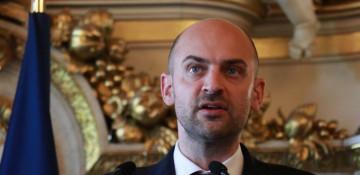
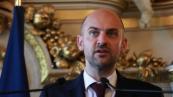
“We, Europeans, are engaging in dialogue with Iran to de-escalate the situation,” French Foreign Minister Jean-Noel Barrot said on X. “The only possible way forward is dialogue.”
The meeting was preceded by a lunch between they European ministers, without Mr Araghchi, where they reviewed preparatory discussions with US Secretary of State Marco Rubio. Mr Barrot's office said Mr Rubio had told him that the US is ready for direct contact with Iranians "at any time." Mr Barrot is expected to speak to Mr Rubio again after Friday's meeting.
Mr Araghchi addressed the Geneva-based UN Human Rights Council, where he said Israel's surprise attacks represented a "betrayal of diplomacy". “We were supposed to meet the Americans on 15 June to craft a very promising agreement for a peaceful resolution of issues fabricated over our peaceful nuclear programme,” Mr Araghchi said.
Israel urged Europe to take a "firm stance" towards Iran. "They must demand a complete dismantling of Iran's nuclear programme, as well as its ballistic missile programme and arsenal, and an end to Iran's regional terrorist activities," Israel's ambassador to the UN in Geneva, Daniel Meron, said.
Iran insists the programme is peaceful, but European countries reject such claims. France warned on Friday that: "Iran's nuclear programme has never been as advanced as it is today in all respects and has no credible civilian justification and has no credible civilian justification."
France indicated a shift in its position on curbing Iran's nuclear programme, with President Emmanuel Macron saying that he wanted Iran to move towards “zero nuclear enrichment”. This represents an alignment with previous requests made by US President Donald Trump and Israeli Prime Minister Benjamin Netanyahu.
France had previously never deviated from the position agreed in a nuclear deal struck in 2015 by Iran and world powers, called the Joint Comprehensive Plan of Action, which capped enrichment activities at 3.67 per cent.
"It is essential to prioritise a return to substantive negotiations which include nuclear – to move to zero enrichment, ballistics – to limit Iranian capacities, and the financing of all the terrorist groups that destabilise the region," Mr Macron said.
Israel has outlined conditions including getting rid of Iran’s nuclear programme stockpiles and stopping uranium enrichment on Iranian soil.
Those close to the Israeli position assess that the capability of enrichment to the lower level of 3.67 per cent in the JCPOA means it is too easy to breach by enriching to a higher level. Israel says Iran could pursue a civilian nuclear programme without conducting enrichment on home soil.
This would represent a repudiation of the long-standing Iranian position that all countries are entitled to enrich uranium under UN safeguards and international treaties.


Similar news