EU warns aviation sector over fuel risks amid Iran war disruptions


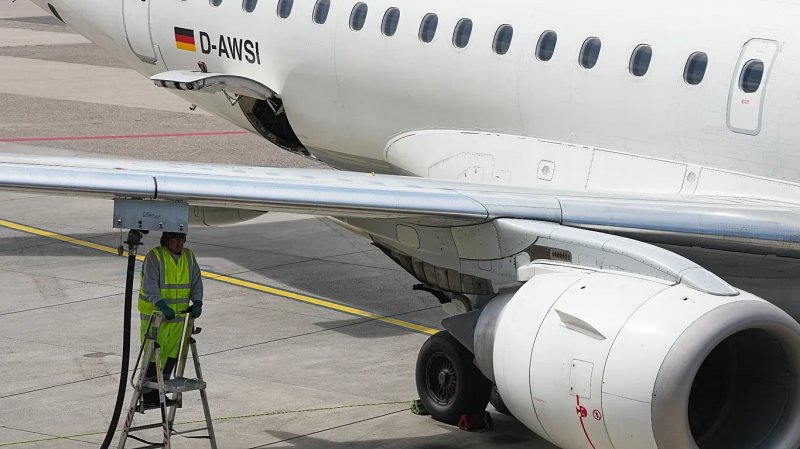
The European Union’s Aviation Safety Agency has warned that potential jet fuel shortages linked to the war in Iran could force major changes in aviation fuel use across Europe, raising operational and safety risks for airlines and airports.
The warning follows alerts from airlines that disruptions in Middle East supply chains could lead to fuel shortages within weeks. In response, European authorities are considering contingency measures, including increased imports of jet fuel from the United States, News.Az reports, citing Euro News.
At the centre of concern is the difference between Jet A-1 fuel, widely used in Europe and most of the world, and Jet A fuel, more common in the United States and Canada. Although both are certified for many aircraft, they have different technical specifications, including freezing points.
EASA said European aviation systems, procedures and training have been built almost entirely around Jet A-1 use, meaning a shift to Jet A in some locations could create risks if not carefully managed.
RECOMMENDED STORIES
The agency warned that confusion during a mixed-fuel transition period could lead to operational errors, such as incorrect assumptions about fuel type loaded on aircraft. It said such mistakes could have serious consequences, particularly on long-haul flights in cold operating conditions.
EASA also highlighted human factors risks, warning against the assumption that all jet fuel behaves the same. It said inadequate training or unclear fuel information could lead pilots and ground crews to misjudge safety limits or delay critical decisions.
The agency issued recommendations covering the entire fuel supply chain. Fuel suppliers were urged to maintain strict handling and traceability standards, while airports were advised to clearly label fuel types and coordinate any changes across providers.
Airlines were told to update crew training, flight planning procedures and contingency measures, and to ensure pilots are informed when airports switch between fuel types.
Aircraft manufacturers were also asked to assess how mixed fuel loads may behave in aircraft tanks, particularly regarding temperature and safety thresholds.
Despite the warnings, EASA said Jet A fuel itself is not considered unsafe and is already widely used in North America. It stressed that the guidance is precautionary and does not require emergency regulation at this stage.
The agency said it would continue monitoring the situation and could revise or withdraw the guidance depending on how global fuel supply conditions develop ahead of the next winter season.
By Leyla Şirinova


Similar news