How entertainment releases and pop culture moments dominate global attention in the digital age


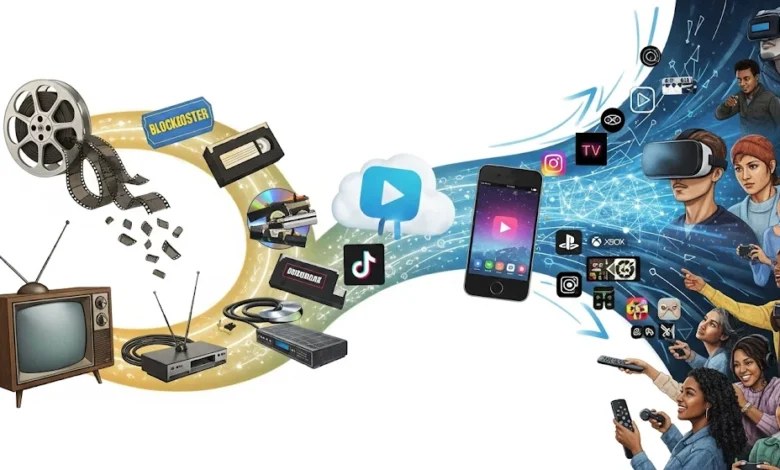
Entertainment releases and pop culture moments consistently rank among the most searched themes within any given week, News.Az reports.
Major film premieres, highly anticipated game launches, viral music releases, celebrity controversies, award shows, and sudden headline-making events rapidly capture public attention across regions and age groups. What makes this theme evergreen is not any single blockbuster or celebrity, but the structural role entertainment now plays in shaping collective conversation, digital behavior, and even economic activity.
At a fundamental level, entertainment has become one of the most accessible forms of shared global experience. Unlike politics or economics, which may feel distant or abstract to some audiences, pop culture offers immediate emotional engagement. A new film trailer, a chart-topping song, or a surprise announcement from a well-known artist can resonate instantly, transcending borders, languages, and social divides. This universality helps explain why entertainment-related searches surge so quickly and persist throughout the week.
The digital transformation of media consumption has intensified this effect. Streaming platforms, social media, and online communities ensure that entertainment content circulates continuously rather than following fixed release schedules. A single episode drop on Netflix or a surprise album release can dominate online discourse within hours. Algorithms amplify what people are already discussing, creating feedback loops that push certain topics to the top of global search trends.
Film and television releases remain central drivers of pop culture attention. Big-budget productions and franchise installments generate anticipation months in advance through teasers, trailers, and casting announcements. When release week arrives, searches spike around plot details, reviews, box office performance, and audience reactions. Even after initial release, debates about quality, interpretation, and cultural impact can sustain interest far beyond opening weekend.
Video games have emerged as an equally powerful force. Major launches from studios or platforms such as Sony, Microsoft, and Nintendo often rival blockbuster films in terms of hype and engagement. Game delays, updates, and early access releases can trend globally, reflecting how gaming has evolved from a niche hobby into a mainstream cultural industry with massive audiences.
Music continues to play a unique role in weekly pop culture cycles. New singles, albums, tours, and chart movements drive sustained search interest, particularly when linked to well-known artists. Streaming data, viral challenges, and fan-driven campaigns can propel songs to global prominence within days. Music-related moments are especially powerful because they often intersect with identity, nostalgia, and social trends, extending their relevance beyond entertainment alone.
Celebrity culture amplifies all of these dynamics. Well-known figures function as symbols through which audiences interpret broader cultural shifts. A public appearance, interview, controversy, or personal announcement can quickly become a trending topic. While some of these moments are carefully managed through public relations strategies, others unfold unpredictably, adding an element of drama that sustains public curiosity.
Award shows and cultural events further consolidate attention. Ceremonies celebrating film, music, or television achievements generate spikes in searches related to winners, speeches, fashion, and unexpected incidents. These events often serve as cultural checkpoints, prompting discussions about representation, artistic value, and industry trends. Even viewers who do not watch live often engage afterward through highlights and commentary.
Social media has fundamentally reshaped how pop culture moments are created and consumed. Platforms prioritize shareable, emotionally resonant content, allowing short clips, memes, and reactions to travel faster than traditional news. This environment rewards immediacy and relatability, meaning that even smaller-scale entertainment moments can achieve global visibility if they strike the right chord with audiences.
Economic considerations are deeply embedded in entertainment trends. Blockbuster releases and viral successes can translate into significant revenue, stock market reactions, and shifts in corporate strategy. Media companies closely monitor public response to gauge franchise potential, sequel viability, and audience preferences. In this sense, weekly search trends around entertainment are not just indicators of popularity but also signals that influence investment and production decisions.
Pop culture moments also reflect broader societal moods. Periods of uncertainty or stress often coincide with increased demand for escapism, nostalgia, or humor. Conversely, socially conscious content may gain traction during times of political or cultural debate. Entertainment thus becomes both a mirror and a counterbalance to real-world pressures, helping explain its persistent prominence in search behavior.
Globalization has expanded the reach of pop culture beyond traditional Western centers. Content from different regions can achieve worldwide recognition through streaming platforms and online fandoms. This diversification enriches the cultural landscape while also intensifying competition for attention. As audiences gain access to a wider range of content, weekly trends become more dynamic and less predictable.
Critically, entertainment discussions are no longer confined to consumption alone. Audiences actively participate through reviews, fan theories, remixes, and online communities. This participatory culture extends the lifespan of pop culture moments, ensuring that a single release or event can dominate conversation across multiple days or weeks.
Looking ahead, the influence of entertainment releases and pop culture moments is likely to grow further. Advances in immersive technologies, interactive storytelling, and personalized content will deepen audience engagement. At the same time, the speed of digital discourse means that attention cycles may become even shorter, with new trends constantly replacing old ones.
Ultimately, the consistent weekly search interest in entertainment and pop culture reflects a deeper human need for shared stories and experiences. In a fragmented information environment, pop culture provides common reference points that connect people across different backgrounds. Understanding how these moments emerge and why they resonate offers valuable insight into contemporary society, where entertainment is not just leisure but a central pillar of global communication and cultural identity.


Similar news