Soft U.S. dollar outlook persists amid Fed independence concerns


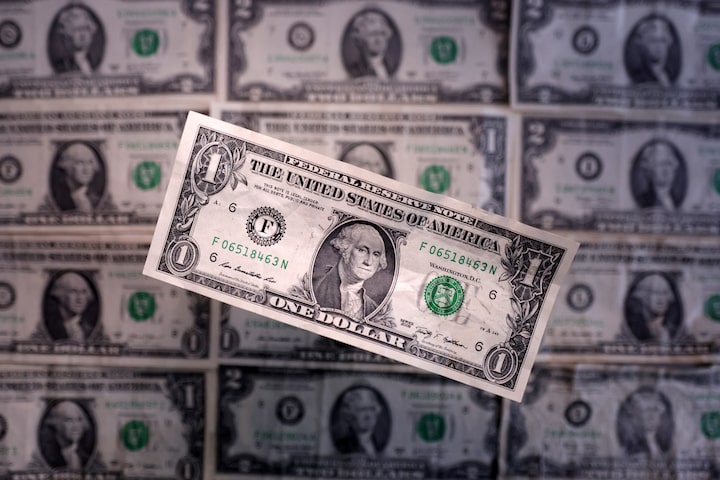
The U.S. dollar is expected to remain weak through 2026 as concerns over Federal Reserve independence and the possibility of lower interest rates weigh on the greenback.
After falling nearly 10% against a basket of major currencies in 2025, its worst performance since 2017, the dollar faces ongoing pressure from high tariffs, planned U.S. borrowing, and a softening job market. Analysts say uncertainty over Fed Chair Jerome Powell’s successor, whose term ends in May, is further clouding the outlook, News.Az reports, citing Reuters.
Survey medians showed the euro gaining about 1% per quarter, reaching $1.19 by mid-year and $1.20 by year-end. Only 17% of respondents expect the dollar to strengthen by the end of 2026.
Vincent Reinhart, BNY Investments’ chief economist, said, “The White House wants to influence monetary policy toward easing, which will likely keep the dollar sideways in the near term. Over the medium to long term, U.S. monetary easing, slower growth versus trading partners, and a reduced safe-haven appeal all point to dollar weakness.”
The Fed has cut the federal funds rate three times since September to 3.50%-3.75%, with one more reduction projected this year. Officials are divided between avoiding inflation risks and supporting jobs, leaving markets cautious.
HSBC’s Paul Mackel noted that Trump-era tariffs and fiscal expansion are still affecting U.S. businesses, reinforcing a “soft dollar world” likely to continue.
Currency traders appear set to maintain a net-short position on the dollar, with nearly 90% of strategists expecting these positions to hold or increase by end-January. Analysts warned that any political interference with the Fed, including efforts to remove board members, could accelerate the greenback’s decline.
In short, the dollar’s downtrend looks set to persist as Fed policy, political pressure, and economic headwinds continue to weigh.


Similar news