Unhealthy air quality prompts stay-indoor warnings across four US states
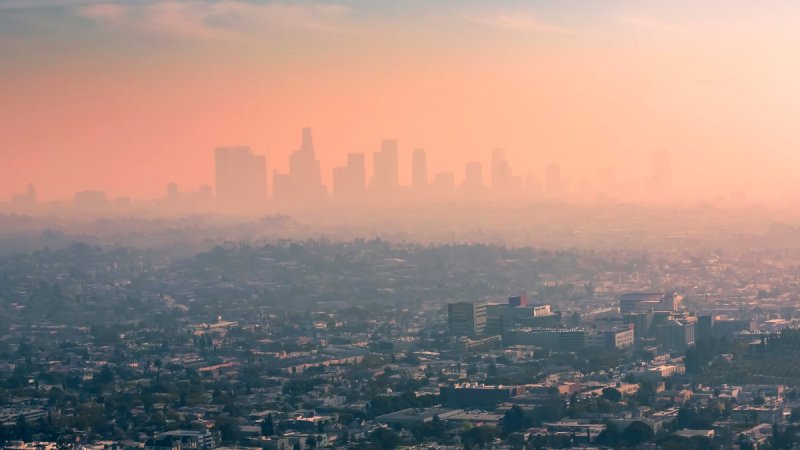
Hundreds of thousands of residents across four U.S. states have been urged to stay indoors as air quality alerts remain in effect throughout the Midwest.
The Environmental Protection Agency's (EPA) AirNow map, which offers a real-time snapshot of air quality, shows that air pollution levels across Minnesota and parts of Michigan, Wisconsin and Iowa are deemed to be "unhealthy" on Wednesday, News.Az reports, citing US media.
The EPA and the National Weather Service (NWS) urged people to reduce exposure to outdoor air after wildfires and current weather conditions have deteriorated air quality, pushing pollution levels into hazardous territory in several communities.
The ongoing alerts show the health risks posed by smoke and air pollutants carried over vast areas, especially for sensitive groups including children, seniors, and people with respiratory or heart conditions.
Minnesota has been impacted by wildfires this week, adding to the devastation already caused by a string of blazes last month that consumed more than 35,000 acres of land.
The state, as well as Iowa and Wisconsin have been experiencing poor air quality for the last few days.
The Wisconsin cities facing a red warning with Air Quality Index (AQI) scores of between 151-200 (see below) include Eau Claire, La Crosse and Green Bay.
The red warning means that "some members of the general public may experience "health effects," while members of sensitive groups "may experience more serious health effects."
In Minnesota, the red warning covers Rochester and parts of Minneapolis; in Iowa, Mason City; and in Michigan, Menominee and Iron Mountain.
Meanwhile, the NWS has published Air Quality Advisories for millions of people on Tuesday across Minnesota, Wisconsin, Michigan, Iowa, Ohio, Pennsylvania, New Jersey, New York, Connecticut, New Hampshire and Maine.
Various alerts in different states advised that individuals "consider limiting strenuous outdoor physical activity to reduce the risk of adverse health effects."
It added that if you experience "symptoms such as shortness of breath, coughing, throat irritation or an uncomfortable sensation in your chest, please consider limiting the intensity and duration of your outdoor activities."
In some states, Americans were advised to drive less, work from home, wait to mow the lawn and refill vehicles tanks after sunset.
Smoke from ongoing wildfires, aggravated by stagnant atmospheric conditions, has driven particulate pollution to hazardous levels.
People most at risk include those with chronic heart or lung diseases, older adults, children, pregnant women, and outdoor workers.
Even healthy individuals may experience symptoms such as eye irritation, coughing, or difficulty breathing when air quality levels are particularly poor.
News.Az