Why Armenia’s shift toward Europe could backfire


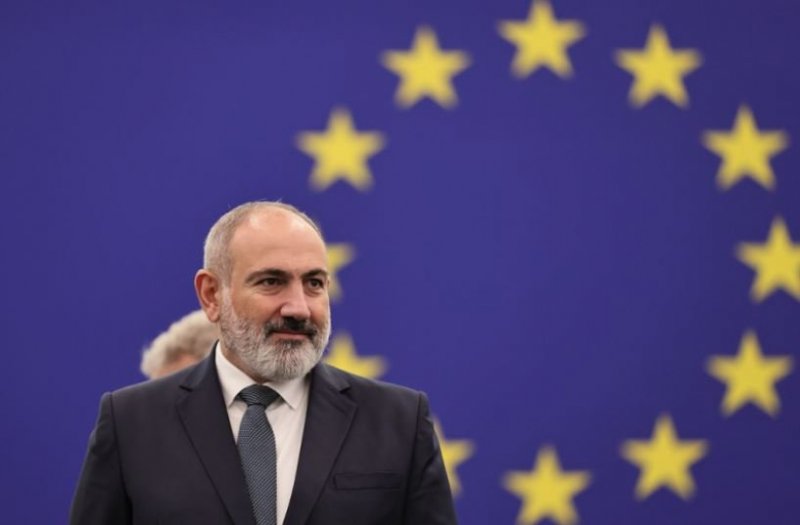
Editor's note: Darya Grevtsova is the Deputy Director of the Institute of Political Studies and a Russian political scientist. The article expresses the personal opinion of the author and may not coincide with the view of News.Az.
With Pashinyan’s rise to power, Armenia set a course toward closer alignment with the West. The current strengthening of ties between Armenia and the European Union is a natural phase of this policy, aimed at pivoting away from Russia in favor of Europe and the broader Western world.
The Armenian government has been systematically implementing legal and legislative measures designed not only to persuade the country’s elites but also to convince the general population that cooperation with the EU and the U.S. offers more attractive prospects than continued engagement with Russia.
Naturally, it is Armenia’s sovereign right to shape its foreign policy as it sees fit. However, such a choice should be well-grounded. Within the framework of the Eurasian Economic Union (EAEU), trade between Armenia and Russia has increased severalfold, generating substantial revenue for the Armenian budget. This raises a legitimate question: why walk away from such a beneficial partnership?
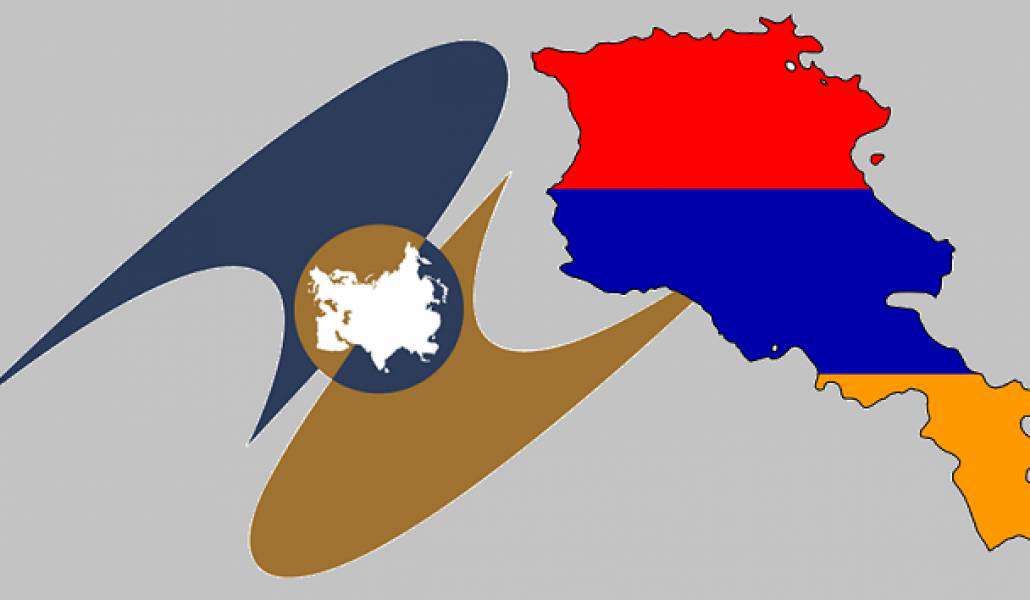
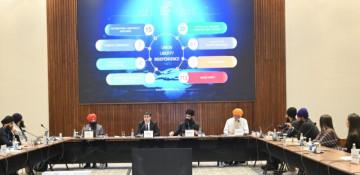
Source: News.Am
Nonetheless, alongside economic considerations, there are political and at times ideological motives driving Pashinyan’s push toward Europe—despite the fact that Armenia has yet to reap any tangible dividends from this cooperation.
One of the sources of discontent within Armenia’s leadership is the perception that Russia failed to adequately support Armenia during the conflict in Karabakh and refrained from deploying troops to defend the Armenian side. In response to this perceived neglect, Armenia is signaling that Russia is no longer its preferred partner—shifting its focus instead toward the West. Yerevan believes that engagement with Western nations can deliver economic gains, enhanced security, and overall better long-term prospects.
However, so far, these are merely statements. Concrete actions from the European Union remain limited, aside from expanding the presence of its representatives and institutions, including intelligence operatives and agents of so-called “soft power.” Under the guise of European observers, these actors are seeking to infiltrate Armenian society, reshape it, and align it with Western interests—effectively turning Armenia into a puppet state.
The West views Armenia not only as a partner but also as a potential tool for exerting pressure on neighboring countries—namely Azerbaijan, Türkiye, and Russia. Therefore, while the choice of foreign policy direction is Armenia’s sovereign right, it does not always reflect the will of the people or rest on actual economic benefits. Rather, it appears to be a political maneuver driven by the hope of future economic rewards for the Armenian people.
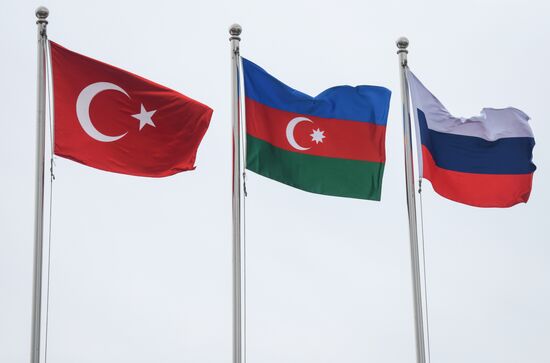
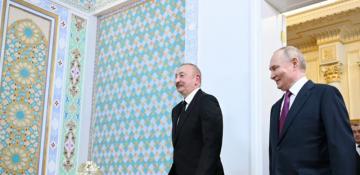
Source: TASS
For the West and the European Union, detaching Armenia from Russia and fostering anti-Russian sentiment within Armenian society is of paramount importance. To achieve this, Western powers are actively employing mass media and soft power mechanisms—through Western foundations, grants, and cultural programs. Armenian society is being presented with an idealized vision of life in the EU, portrayed in stark contrast to life in Russia.
Undoubtedly, such informational and ideological efforts will lead to a rise in anti-Russian sentiment in Armenia. However, one must not forget the large Armenian diaspora in Russia, which maintains close ties with relatives and friends in Armenia. These cultural, historical, and familial bonds are unlikely to be severed entirely, despite Europe’s evident desire to do so.
It is essential to recognize that when external, non-regional players begin to shape a country’s internal affairs—as is now happening through Armenia’s leadership—the consequences can be serious. These actors seek to influence not only domestic politics but also the country’s foreign policy course, promoting their own interests, which often do not align with those of the Armenian people.
The 20th century provides numerous examples of how interference by non-regional powers has led to conflict, instability, and devastation. We have witnessed this in many countries, with Ukraine standing out as a particularly vivid example—where foreign influence was one of the key factors that triggered war.
Regrettably, the situation currently unfolding in Armenia is troubling. Had its leadership pursued a more balanced policy, seeking equilibrium between the West and Russia, the country could have benefited from both sides. However, a unilateral turn toward the West—driven in part by a desire to “punish” Russia for past grievances—could plunge Armenia into a deep crisis.

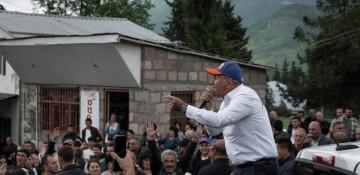
Source: Tert.Am
Armenia, without a doubt, would like to sit on two chairs at once—engaging with the European Union while maintaining close ties with Russia. This tactic allows it to create the illusion of competition between the West and Moscow: if Russia fails to meet certain expectations, Yerevan can threaten to deepen its cooperation with the EU, and vice versa—if Europe appears inactive, Armenia may demonstratively “return” to Russia.
However, the Russian authorities have already made their position clear: if Armenia chooses the path of European integration and decides to join the European Union, it will no longer be able to remain a member of the Eurasian Economic Union. Despite the obvious economic benefits the EAEU provides to Armenia, it is legally and economically impossible to belong to two mutually contradictory alliances at once. For Russia, such an arrangement would be neither feasible nor advantageous.
Such a decision would effectively mean severing economic ties with Russia. This would entail not only the termination of joint projects within the EAEU but also a general reduction in areas of cooperation between the two countries. Until recently, it was through these integration frameworks that Armenia deepened its ties with Russia. Without them, the dialogue will weaken, and bilateral cooperation will be reduced to a bare minimum.
(If you possess specialized knowledge and wish to contribute, please reach out to us at opinions@news.az).


Similar news