Can Central Asia become a global renewable energy powerhouse?


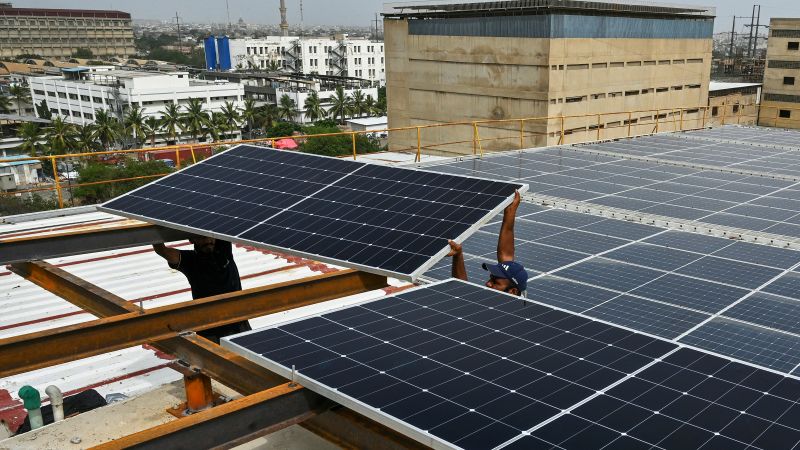
For decades, Central Asia’s economies were closely associated with oil, natural gas and traditional energy exports. Today, however, the region is increasingly attracting international attention for a different reason: its enormous renewable energy potential.
Stretching across vast степpe landscapes, desert regions and mountainous river systems, Central Asia possesses some of the world’s most favorable conditions for solar, wind and hydropower development.
RECOMMENDED STORIES
As the global transition toward cleaner energy accelerates, governments across Kazakhstan, Uzbekistan, Kyrgyzstan, Tajikistan and Turkmenistan increasingly seek to position themselves within the emerging green energy economy.
Climate change, energy security concerns and global investment trends are all pushing the region toward energy diversification.
At the same time, geopolitical competition among major powers including China, the United States, the European Union and Gulf states is intensifying around renewable infrastructure, green hydrogen and critical mineral supply chains.
The broader question now facing Central Asia is whether the region can transform its natural advantages into long term economic and geopolitical influence in the global clean energy transition.
Why does Central Asia have strong renewable energy potential?
Central Asia’s geography provides exceptional conditions for renewable energy development.
The region contains:
-
Vast open land
-
High solar radiation
-
Strong wind corridors
-
Large river systems
-
Mountain hydropower resources
Large desert and steppe areas receive intense sunlight for much of the year, making solar energy particularly attractive.
Meanwhile, strong wind conditions across parts of:
-
Kazakhstan
-
Uzbekistan
create favorable conditions for large scale wind farms.
Mountainous countries such as:
-
Kyrgyzstan
-
Tajikistan
already possess major hydropower resources through glacier fed rivers.
Combined, these factors create the potential for Central Asia to become one of the world’s emerging renewable energy regions.
Why are governments now focusing more on renewable energy?
Several major trends are driving the shift.
First, climate change is increasing pressure to reduce carbon emissions globally.
Second, many Central Asian governments seek to diversify economies historically dependent on fossil fuel exports or commodity sectors.
Third, energy security concerns have intensified following global geopolitical disruptions affecting oil, gas and electricity markets.
Renewable energy offers opportunities for:
-
Economic modernization
-
Energy diversification
-
Industrial investment
-
Export development
-
Climate adaptation
International financial institutions and foreign investors are also increasingly prioritizing green energy projects.
This creates new opportunities for infrastructure financing and regional economic transformation.
Why is Kazakhstan considered especially important?
Kazakhstan possesses some of the largest renewable energy potential in the region.
The country’s enormous territory includes ideal conditions for:
-
Wind farms
-
Solar projects
-
Green hydrogen production
Kazakhstan has already attracted significant international investment into renewable infrastructure.
Strong wind corridors in particular have generated major interest from foreign developers.
At the same time, Kazakhstan remains one of Central Asia’s largest oil and gas producers.
This creates both opportunities and challenges.
The country seeks to balance:
-
Traditional energy exports
-
Industrial development
-
Decarbonization goals
-
Renewable expansion
Kazakhstan increasingly positions itself as a future Eurasian energy hub capable of exporting both traditional and green energy resources.
How is Uzbekistan expanding renewable energy?
Uzbekistan has accelerated renewable energy development rapidly in recent years.
The country faces rising electricity demand because of:
-
Population growth
-
Industrialization
-
Urban expansion
At the same time, climate pressures and water scarcity complicate traditional energy systems.
Uzbekistan therefore increasingly invests in:
-
Solar energy
-
Wind projects
-
Grid modernization
-
Energy efficiency
The government has attracted partnerships with:
-
Gulf investors
-
European companies
-
Asian energy firms
Several large scale renewable projects are already under development across the country.
Uzbekistan views renewable energy not only as an environmental necessity, but also as part of broader economic modernization.
Why is hydropower so important in Kyrgyzstan and Tajikistan?
Kyrgyzstan and Tajikistan possess major hydropower potential because of their mountainous geography and glacier fed rivers.
Hydroelectricity already plays a central role in both countries’ energy systems.
Supporters argue hydropower offers:
-
Low carbon electricity
-
Long term energy independence
-
Export opportunities
-
Regional electricity trade potential
However, hydropower also creates regional tensions because downstream countries depend on stable river flows for agriculture.
Climate change further complicates the situation because glacier melt may eventually reduce long term water availability.
As a result, hydropower development increasingly overlaps with:
-
Water politics
-
Regional diplomacy
-
Climate adaptation
Balancing energy production with water security remains one of Central Asia’s biggest strategic challenges.
What is green hydrogen and why is it important?
Green hydrogen is emerging as one of the most discussed future energy technologies globally.
Hydrogen can be produced using renewable electricity through a process called electrolysis.
If the electricity comes from renewable sources, the hydrogen is considered “green.”
Green hydrogen may eventually play major roles in:
-
Heavy industry
-
Transportation
-
Energy storage
-
Export markets
Central Asia’s combination of:
-
Renewable energy potential
-
Vast land resources
-
Strategic geographic position
makes the region attractive for future green hydrogen projects.
Several governments and foreign investors are already exploring opportunities in this sector.
If successful, green hydrogen could become a major export industry connecting Central Asia with:
-
Europe
-
China
-
South Asia
-
The Middle East
How does climate change influence the energy transition?
Climate change is accelerating pressure for renewable expansion globally.
Central Asia itself is highly vulnerable to:
-
Glacier melt
-
Water shortages
-
Heatwaves
-
Desertification
These environmental pressures threaten:
-
Agriculture
-
Hydropower systems
-
Infrastructure
-
Public health
Renewable energy therefore increasingly becomes linked not only to economic opportunity, but also to long term climate resilience.
Solar and wind energy may help reduce dependence on water intensive power generation systems.
Climate adaptation and energy transition are becoming deeply interconnected policy priorities across the region.
Why are foreign powers interested in Central Asia’s renewable sector?
The global clean energy transition has intensified geopolitical competition for:
-
Critical minerals
-
Energy corridors
-
Renewable infrastructure
-
Green industrial partnerships
Central Asia’s strategic location between:
-
China
-
Europe
-
Russia
-
South Asia
-
The Middle East
increases its importance significantly.
Different global actors have different interests.
China seeks:
-
Energy connectivity
-
Infrastructure partnerships
-
Supply chain integration
European countries increasingly seek:
-
Green energy partnerships
-
Hydrogen imports
-
Diversified energy routes
Meanwhile, Gulf investors are expanding renewable investments globally, including across Central Asia.
Renewable energy therefore increasingly shapes geopolitical competition in the region.
Could Central Asia export renewable energy internationally?
One major long term goal involves electricity and hydrogen exports.
Several regional projects aim to improve:
-
Cross border electricity grids
-
Energy transmission corridors
-
Regional connectivity
Central Asia’s geographic position could potentially support future energy exports toward:
-
Europe
-
South Asia
-
China
If renewable generation expands sufficiently, the region may become an important clean energy supplier internationally.
However, achieving this requires:
-
Massive infrastructure investment
-
Grid modernization
-
Regional coordination
-
Political stability
Export ambitions therefore depend heavily on long term regional integration.
How important are critical minerals?
Renewable technologies depend heavily on minerals used in:
-
Batteries
-
Solar panels
-
Wind turbines
-
Electric vehicles
Central Asia possesses important reserves of several critical resources relevant to the global energy transition.
As global demand for clean technologies rises, competition over these supply chains is intensifying.
Countries controlling:
-
Lithium
-
Rare earth elements
-
Copper
-
Other industrial minerals
may gain significant geopolitical and economic advantages.
Central Asia’s mineral resources therefore complement its renewable energy ambitions.
What challenges could slow renewable expansion?
Despite enormous potential, several obstacles remain.
These include:
-
Aging infrastructure
-
Limited grid capacity
-
Financing challenges
-
Regulatory uncertainty
-
Regional political tensions
-
Water stress
-
Institutional limitations
Electricity grids in some areas require major modernization before large scale renewable integration becomes possible.
Energy storage also remains a challenge because solar and wind generation can fluctuate.
Foreign investment depends heavily on:
-
Political stability
-
Regulatory transparency
-
Infrastructure reliability
Without reforms and modernization, renewable expansion could progress more slowly than expected.
Could renewable energy improve regional cooperation?
Energy cooperation may strengthen broader regional integration.
Shared renewable projects and electricity networks could encourage:
-
Economic cooperation
-
Infrastructure coordination
-
Diplomatic engagement
-
Regional trade expansion
Cross border electricity systems may help countries balance seasonal energy shortages more effectively.
At the same time, competition over water resources and hydropower management could complicate cooperation in some areas.
The success of regional renewable integration will depend heavily on political coordination and long term planning.
How could renewable energy transform Central Asian economies?
The clean energy transition could reshape the region economically.
Potential benefits include:
-
Job creation
-
Infrastructure development
-
Foreign investment
-
Industrial diversification
-
Technology transfer
-
Export opportunities
Countries historically dependent on fossil fuels or raw materials may gain new growth sectors linked to:
-
Renewable technology
-
Green manufacturing
-
Hydrogen production
-
Energy exports
This transformation could reduce economic vulnerability and strengthen long term sustainability.
However, transitioning from traditional energy systems also requires careful economic planning to avoid social and employment disruptions.
What role do cities play in the transition?
Urbanization is increasing energy demand across Central Asia.
Major cities including:
-
Almaty
-
Tashkent
-
Bishkek
face growing pressure regarding:
-
Air pollution
-
Electricity demand
-
Infrastructure modernization
-
Climate resilience
Renewable energy and smart infrastructure may help cities:
-
Improve energy efficiency
-
Reduce emissions
-
Strengthen climate adaptation
Urban modernization is therefore becoming part of the broader green transition.
Could Central Asia become a major clean energy region globally?
Many analysts believe the region possesses genuine long term potential.
Central Asia combines:
-
Strong renewable resources
-
Strategic geography
-
Growing investment interest
-
Expanding regional connectivity
However, success depends on whether governments can:
-
Modernize infrastructure
-
Improve investment conditions
-
Coordinate regionally
-
Adapt to climate pressures
The clean energy transition is still in its early stages globally.
Central Asia therefore still has opportunities to position itself strategically within emerging green supply chains and energy markets.
Why does this matter globally?
The future of Central Asia’s renewable sector affects more than the region itself.
It influences:
-
Eurasian energy routes
-
Global climate goals
-
Critical mineral supply chains
-
Green hydrogen development
-
Geopolitical competition
As the world transitions toward cleaner energy systems, regions capable of producing large scale renewable power may gain increasing strategic importance.
The central question is no longer whether Central Asia has renewable potential.
It clearly does.
The real challenge is whether the region can convert that potential into sustainable economic growth, geopolitical influence and long term climate resilience in an increasingly competitive global energy landscape.
By Faig Mahmudov


Similar news