Dancing robots bring comfort to Barcelona’s elderly


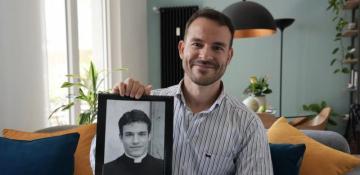
In Barcelona, 67-year-old Irene Veglison had not danced in more than 20 years, until a robot moved into her home.
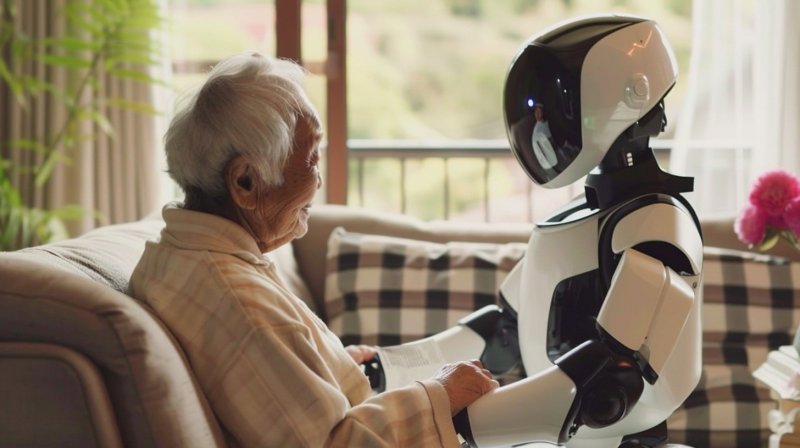
The 1.35-metre-tall device arrived in November as part of a city-backed pilot programme designed to support seniors in the early stages of cognitive decline. Now, it reminds her to take medication, announces doctor’s appointments, wakes her up in the morning and even sways along to music, News.Az reports, citing Reuters.
Barcelona has deployed 600 robots to private homes and care centres under a €3.8 million European Union COVID recovery grant, in a bid to strengthen elderly care services.
RECOMMENDED STORIES
The programme is led by the Ajuntament de Barcelona as Spain grapples with longer life expectancy and declining birth rates, trends putting increasing strain on the country’s care sector.
Nearly 2 million people over 65 live alone in Spain, three-quarters of them women, according to official data. Studies suggest the country will need to double its long-term care workforce by 2030. Low pay, around €10,000 below the national average, has discouraged younger workers, while more than half of current care staff are over 45, according to think tank Funcas.
“We’re developing this pilot project to improve tele-assistance,” said city councillor Marta Villanueva Cendán. In the future, she added, the robots could detect risks and alert professionals if a user falls and cannot respond.
The devices are manufactured by U.S.-based Misty Robotics and distributed in Europe by Catalan technology firm Grup Saltó.
Equipped with cameras, screens and entertainment apps, the robots can:
-
Play games and music
-
Make video calls to social workers
-
Display calendars and maps
-
Show cartoon-like facial expressions when idle
In emergencies, social workers can activate the camera remotely to assess a situation and provide assistance.
Veglison, who lives with her two cats, named her robot “Sandi.” One afternoon, she scrolled through YouTube on its screen, selected a French chanson and danced as the robot gently tilted back and forth.
“It’s not just a trinket,” she said. “There are lots of people behind it who are looking out for you, checking whether you’ve fallen down, whether you’re okay.”
By Aysel Mammadzada


Similar news