Hyundai warns of bigger U.S. tariff hit after Q2 profit drops 16%


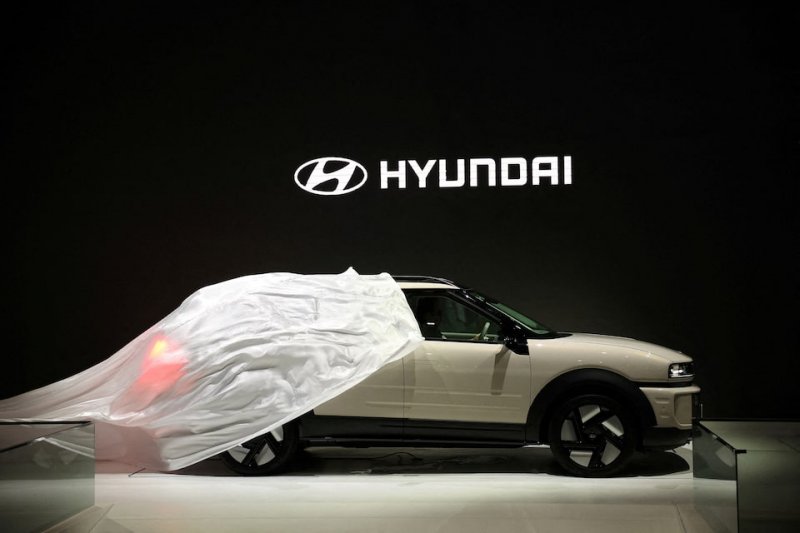
Hyundai Motor has issued a stark warning over the growing financial toll of U.S. tariffs, following a 16% year-on-year drop in second-quarter operating profit. The South Korean automaker reported on Thursday that tariffs cost the company more than $600 million in Q2 alone and predicted a larger impact in the coming quarter.
Hyundai's operating profit for April to June stood at 3.6 trillion won ($2.64 billion), down from 4.28 trillion won a year earlier. The results came in just above analysts' expectations, but the company’s shares still fell by 2% following the announcement, News.Az reports, citing Reuters.
At the center of Hyundai’s woes are steep U.S. tariffs—currently at 25% on Korean auto imports—that have significantly raised costs in its most lucrative market. Hyundai and its affiliate Kia, the world’s third-largest auto group by sales, generate over 40% of their revenue in the United States and import about two-thirds of the vehicles they sell there.
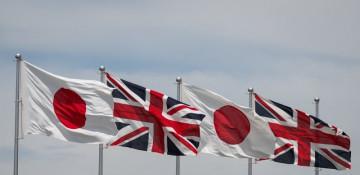
Hyundai’s Chief Finance Officer Lee Seung-jo said the company is hoping U.S. tariffs “go down a little” but admitted the outlook remains uncertain. A recent U.S.-Japan trade agreement lowered tariffs on Japanese auto imports to 15%, sparking concern in Seoul over competitive disadvantages and prompting urgent talks between South Korean and U.S. officials.
Those talks, scheduled for Friday, were abruptly postponed due to a scheduling conflict involving U.S. Treasury Secretary Scott Bessent, South Korea's finance ministry confirmed.
Despite the pressure, Hyundai has not raised vehicle prices in the U.S., choosing instead to absorb the costs for now. While retail sales in the U.S. rose 10% in Q2, Hyundai’s front-loaded shipping strategy has left inventories thinning—raising further questions about future sales momentum.
The company said it plans to flexibly adjust prices in response to market conditions rather than tariffs. It is also exploring alternative sourcing for parts and evaluating an expansion of local vehicle production in North America.
"Yet, as with its first-quarter results, the company remained silent — a stance that is likely to leave foreign investors uneasy about investing in Hyundai," said Shin Yoon-chul, analyst at Kiwoom Securities.
Other automakers including GM, Stellantis, and Tesla also reported financial strain from the tariffs this week, which target not only vehicles and parts but also materials like steel and aluminum.
Hyundai noted that a weaker South Korean won has helped soften the tariff impact slightly. Still, with U.S. trade policy in flux, Hyundai faces mounting pressure to adapt or risk losing hard-won gains in one of the world’s most competitive auto markets.


Similar news