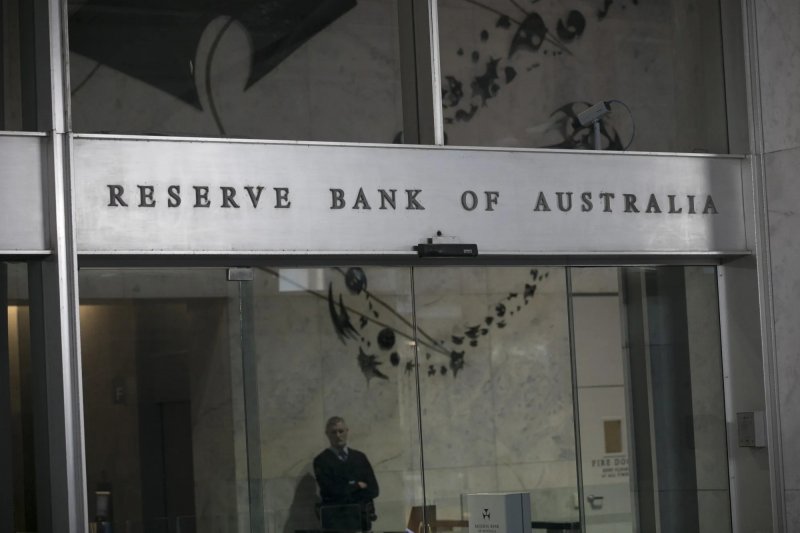
In a statement, the central bank noted that while inflation has declined significantly since its peak in 2022, it rose notably in the second half of 2025, News.Az reports, citing foreign media.
The bank said part of the increase reflects growing capacity pressures in the economy. It also highlighted the impact of geopolitical tensions, stating that the conflict in the Middle East has driven fuel prices sharply higher, which could further contribute to inflation if sustained.
According to the Reserve Bank, financial conditions have tightened slightly in 2026, though it remains unclear how restrictive current monetary policy settings are.
The bank warned that ongoing conflict in the Middle East presents significant risks to the global outlook. A prolonged or more severe escalation could push energy prices higher, lifting near-term inflation and potentially affecting longer-term inflation expectations if supply disruptions persist.
It added that rising prices and continued uncertainty could weigh on economic growth, both in Australia and among its key trading partners.