Iran, Oman discuss Strait of Hormuz administration amid regional tensions


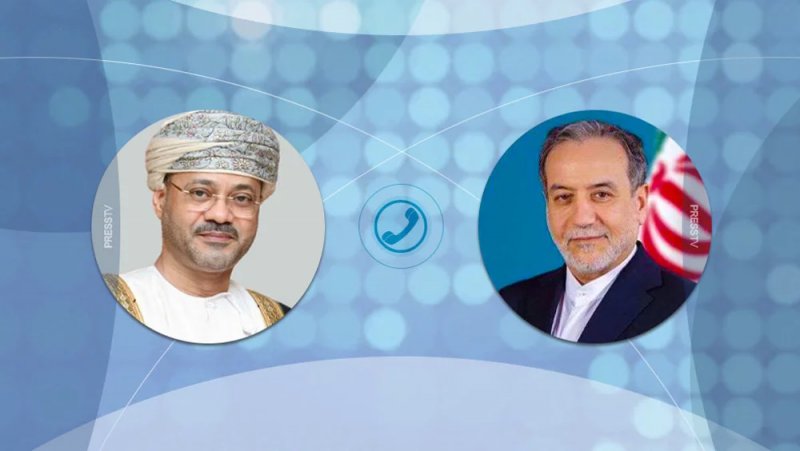
Iranian Foreign Minister Abbas Araghchi says he has discussed the Strait of Hormuz and its future administration with his Omani counterpart amid heightened tensions over the strategic waterway.
In a post on his X account on Friday, Araghchi said he held a “very productive call” with Omani Foreign Minister Badr bin Hamad Al Busaidi on the legal management of the Hormuz Strait, a key maritime corridor through which a significant share of global energy trade flows, News.Az reports, citing Iran’s English-language Press TV.
“We discussed Hormuz and its future administration in line with our sovereign responsibilities and international law,” the top Iranian diplomat said.
RECOMMENDED STORIES
Araghchi added that he expressed Iran’s solidarity with Oman in the face of threats from Washington against the Arab country, adding: “We welcome consultation with all neighbouring states.”
Meanwhile, Iran’s Foreign Ministry said in a statement that Araghchi assured his Omani counterpart that Tehran and Muscat’s approach to ensuring safe navigation in the Strait of Hormuz is based on international law and serves the interests of the international community.
He also briefed Oman on the latest status of indirect Iran–US talks mediated by Pakistan, saying a final memorandum would only be reached if the American side ended what he described as its “excessive approach and contradictory positions”.
The Iranian foreign minister reiterated that Tehran remains “serious and steadfast” in pursuing what it considers its legitimate rights and interests.
Araghchi praised Oman’s “principled and responsible” role in promoting regional peace and its past efforts as a mediator in Iran–US negotiations, which he said had been hindered by a lack of US commitment.
During the call, he also condemned Israeli actions in Lebanon and the occupied Palestinian territories, calling on regional states, the Organisation of Islamic Cooperation and the United Nations to take urgent action.
He said these bodies carry “moral and legal responsibility” to halt what he described as Israeli aggression in Lebanon and the “continued genocide” in Palestine.
The two foreign ministers also discussed ways to strengthen bilateral relations and expand cooperation aimed at promoting regional trust, peace and stability.


Similar news