Key developments in the Russia-Ukraine war from September 2-5, 2024


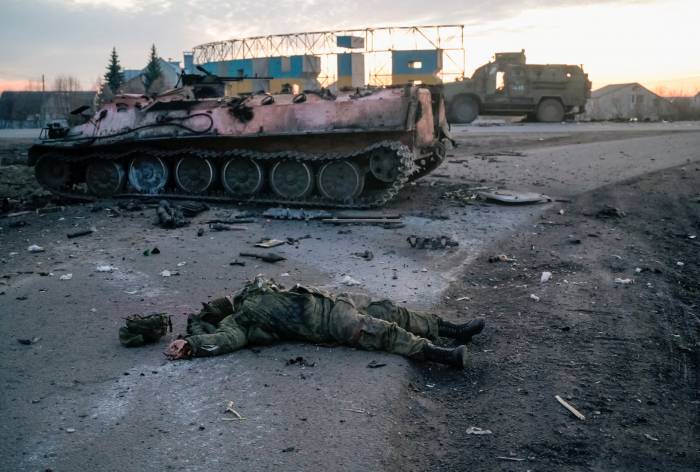
Between September 2 and 5, Russian forces launched several major attacks across Ukraine. On September 3, Russia struck Poltava with ballistic missiles , killing at least 51 people and injuring 271. The attack damaged a military training facility and a hospital.
On September 5, a missile and drone assault on Lviv killed at least 7 people, including 3 children, and injured over 40. This attack on western Ukraine was particularly notable as Lviv had been considered a relatively safe area. Russia also conducted drone and missile attacks on Kyiv and other regions, targeting energy facilities and critical infrastructure.
Ukrainian forces continued their offensive operations in the Kursk Oblast, with President Zelenskyy stating they plan to "indefinitely" hold the seized territories there.
Ukraine announced a significant government reshuffle, with six ministers submitting their resignations. German Chancellor Olaf Scholz reaffirmed Germany's commitment to supporting Ukraine politically and militarily. The Swiss government extended protection for Ukrainian refugees until at least 2026. Russia announced it was revising its nuclear policy in response to perceived escalations from the West. Iran is reportedly preparing to deliver ballistic missiles to Russia "imminently" to support its invasion of Ukraine.
The attacks on civilian areas continued to take a heavy toll. In Lviv, an entire family was killed in their apartment building, leaving only the father as a survivor. The strike on Poltava resulted in one of the largest casualty counts since 2022.
These events highlight the ongoing intensity of the conflict and its devastating impact on civilians, as well as the continued international involvement and diplomatic maneuvering surrounding the war.
On September 5, a missile and drone assault on Lviv killed at least 7 people, including 3 children, and injured over 40. This attack on western Ukraine was particularly notable as Lviv had been considered a relatively safe area. Russia also conducted drone and missile attacks on Kyiv and other regions, targeting energy facilities and critical infrastructure.
Ukrainian forces continued their offensive operations in the Kursk Oblast, with President Zelenskyy stating they plan to "indefinitely" hold the seized territories there.
Ukraine announced a significant government reshuffle, with six ministers submitting their resignations. German Chancellor Olaf Scholz reaffirmed Germany's commitment to supporting Ukraine politically and militarily. The Swiss government extended protection for Ukrainian refugees until at least 2026. Russia announced it was revising its nuclear policy in response to perceived escalations from the West. Iran is reportedly preparing to deliver ballistic missiles to Russia "imminently" to support its invasion of Ukraine.
The attacks on civilian areas continued to take a heavy toll. In Lviv, an entire family was killed in their apartment building, leaving only the father as a survivor. The strike on Poltava resulted in one of the largest casualty counts since 2022.
These events highlight the ongoing intensity of the conflict and its devastating impact on civilians, as well as the continued international involvement and diplomatic maneuvering surrounding the war.


Similar news