Next-generation US fighter jet program may face potential budget constraints


The U.S. Air Force's ambitious next-generation fighter jet program, initially envisioned as a revolutionary leap in technology, may face significant changes due to budget pressures, competing priorities, and evolving goals, according to defense officials and industry executives, News.Az reports citing Reuters.
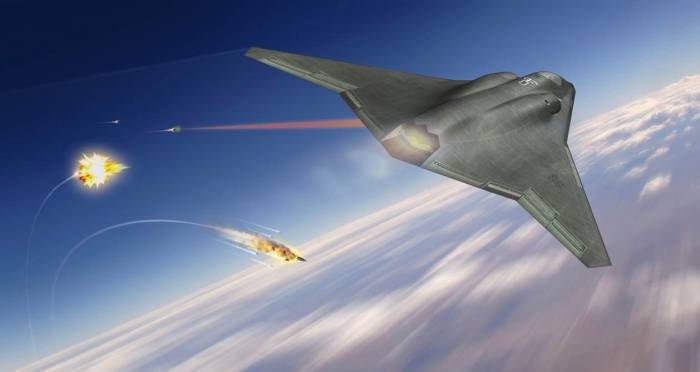
Initially conceived as a "family of systems" centered around a sixth-generation fighter jet, the Next Generation Air Dominance (NGAD) program is meant to replace the F-22 Raptor and give the United States the most powerful weaponry in the sky well into the mid-21st century.When it was first proposed, expectations were high, including an unmatched stealth capability to keep it invisible from even the most sophisticated radar, laser weapons and onboard artificial intelligence to process masses of data coming from the latest in sensor technology.
However, sources said the current development budget of $28.5 billion over five years ending in 2029 could be spread out over more time or scaled-back as the Pentagon searches for a cost-effective solution.
Sources briefed on the Air Force's internal budget deliberations said the anticipated 2026 fiscal-year NGAD budget of $3.1 billion would be slashed as funding shrinks, with one source adding that diminishing funds could stretch development by two more years.
While it is unclear how much the overall program will cost, it could eventually total well over $100 billion if 200 aircraft are produced, including initial costs - plus maintenance and upgrades over time. There are currently 185 F-22s in service - the plane NGAD is meant to replace.
The Air Force is also reviewing the concept for the jet - perhaps moving to a larger single-engine jet, from what is believed to be a two-engine design, or even shifting more funding to a less expensive unmanned drone to best address future air superiority needs given the potential budget cuts, industry experts said.
"NGAD was conceived before a number of things: before the threat became so severe, before CCAs (drone program) were introduced into the equation and before we had some issues with affordability that we are currently facing," Air Force Secretary Frank Kendall said on Saturday at Britain's Royal International Air Tattoo, the world's largest military air show.
"Before we commit to the 2026 budget, we want to be sure we are on the right path," he added on a program that will be a popular talking point at the Farnborough International Airshow this week.
The shift in focus comes as the Air Force grapples with substantial cost overruns in several vital, and expensive, programs. For example, its Sentinel intercontinental ballistic missile (ICBM) program, which is set to replace the aging Minuteman III missiles, has ballooned 81% over budget, to around $141 billion.
Budget pressure has forced the Air Force to reassess its spending priorities across various modernization efforts which also include increasing production of the new B-21 bomber made by Northrop Grumman.
U.S. aerospace and defense companies Lockheed Martin and Boeing have responded to the Air Force's request for proposal for the NGAD system, sources told Reuters.


Similar news