Smugglers to face sanctions as UK targets small boat gangs


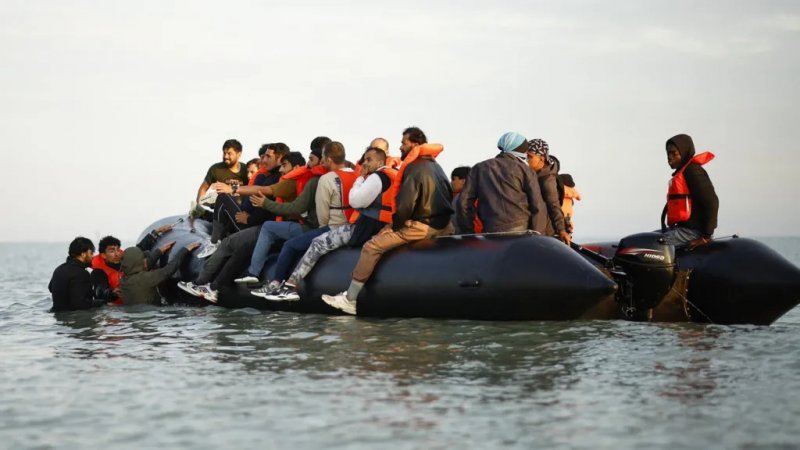
The UK government will name gang leaders and companies supplying small boat equipment as part of a new wave of sanctions aimed at disrupting people-smuggling operations across the English Channel.
The move, described by ministers as a “world-first” financial crackdown, is part of Prime Minister Sir Keir Starmer’s plan to dismantle the criminal networks responsible for illegal crossings, News.Az reports, citing BBC.
Under the new measures, to be announced on Wednesday, dozens of individuals and companies linked to smuggling will face asset freezes and bans on entering the UK or accessing its financial systems.
Foreign Secretary David Lammy said:
“For too long, criminal gangs have been lining their corrupt pockets and preying on the hopes of vulnerable people with impunity as they drive irregular migration to the UK.”
Those targeted include suppliers of fake documents, financiers of small boats, and middlemen operating through Hawala networks – informal money transfer systems frequently used by smugglers.
The announcement comes as pressure mounts on Starmer’s government to curb the growing number of Channel crossings. More than 20,000 people have arrived in small boats in the first half of 2025 – a 50% increase compared to last year, Home Office figures show.
Earlier this month, Starmer signed a “one in, one out” deal with France, under which migrants arriving illegally in the UK will be returned to France in exchange for the same number of legal asylum seekers, subject to security checks.
Dr Madeleine Sumption, deputy chair of the Migration Advisory Committee, expressed doubt that the sanctions would significantly disrupt smuggling operations.
“There are so many people involved in the industry that targeting people individually is probably only going to have an impact around the margins,” she said.
She noted that the effectiveness of the measures would depend on international cooperation, especially in countries where smugglers operate.
Shadow home secretary Chris Philp criticised the plan, calling it insufficient to address the scale of illegal migration.
“The truth is you don't stop the Channel crossings by freezing a few bank accounts in Baghdad or slapping a travel ban on a dinghy dealer in Damascus,” he said.
The sanctions plan follows a weekend of unrest in Essex, where protests outside a hotel housing asylum seekers turned violent after the arrest of an asylum seeker over alleged sexual assaults. Police described the violence as “mindless thuggery”, while Reform UK leader Nigel Farage claimed “genuinely concerned families” were protesting, warning that parts of the country were “close to civil disobedience on a vast scale.”
Home Secretary Yvette Cooper defended the sanctions as a “decisive step” against criminal networks:
“It will allow us to target the assets and operations of people-smugglers wherever they operate, cutting off their funding and dismantling their networks piece by piece.”


Similar news