US and UK fear Russia is aiding Iran's nuclear program in exchange for missiles


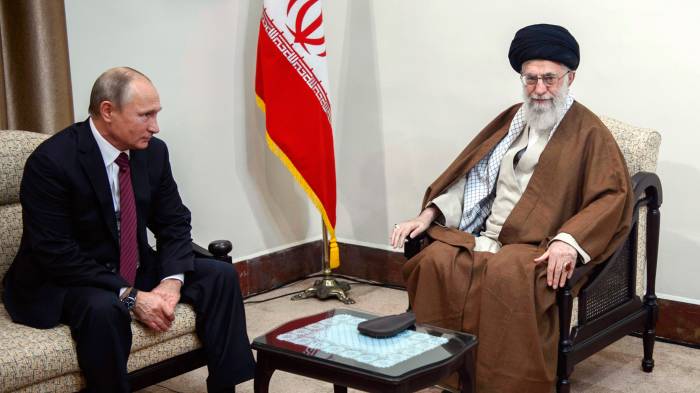
The US and the UK are deeply concerned that Russia is helping Iran develop its nuclear weapons program in exchange for the recent delivery of ballistic missiles from Tehran for use in its war against Ukraine.
Close ties between Russia and Iran were a major topic during the meetings between US President Joe Biden and UK Prime Minister Keir Starmer in Washington, as well as in talks between US Secretary of State Antony Blinken and UK Foreign Secretary David Lammy. According to The Guardian, both nations are not only worried about the ballistic missiles supplied by Iran to Russia, but also about what Russia may provide in return.
According to British sources, Iran might be working with Russian specialists to accelerate its uranium enrichment process, thereby expanding its stockpile of enriched uranium and moving closer to developing nuclear weapons. This is causing serious concern among Western nations.
Iran has been enriching uranium close to weapons-grade levels since the collapse of the 2015 nuclear deal following the US's withdrawal from the agreement in 2018. Western countries argue that there is no legitimate civilian purpose for this level of enrichment, despite Iran’s claims of peaceful intentions. Recently, Iranian officials have hinted at revising their nuclear doctrine in response to potential threats from Israel.
In August, the International Atomic Energy Agency (IAEA) reported that Iran had increased its stockpile of uranium enriched to nearly weapons-grade levels. As of August 17, Iran possessed 64.7 kilograms of uranium enriched to 60%, an increase of 22.6 kilograms since the IAEA’s May report.
Iran has consistently denied that Western sanctions have had a significant impact on the country, including the latest measures imposed by the UK, Germany, and France over alleged arms shipments to Russia. In response to these new sanctions, Iranian Foreign Minister Abbas Araghchi dismissed them as a failed tool for influencing Tehran's policies. He stated that Iran remains open to constructive dialogue but emphasized that such negotiations must be based on mutual respect rather than threats or pressure.
Meanwhile, the foreign ministers of the Group of Seven (G7), which includes the US, UK, Germany, France, Canada, Italy, and Japan, condemned Iran’s missile exports and Russia’s acquisition of Iranian ballistic missiles. They called on Iran to immediately cease all support for Russia’s illegal war against Ukraine and stop the transfer of missiles, drones, and related technology, which they argue pose a direct threat to Ukraine and broader international security.
Reports of these missile transfers emerged last weekend after months of warnings from the US and its allies urging Iran not to supply ballistic missiles to Moscow. European nations, including Germany, France, and the UK, have condemned this move as an "act of escalation" and a direct threat to European security.
Close ties between Russia and Iran were a major topic during the meetings between US President Joe Biden and UK Prime Minister Keir Starmer in Washington, as well as in talks between US Secretary of State Antony Blinken and UK Foreign Secretary David Lammy. According to The Guardian, both nations are not only worried about the ballistic missiles supplied by Iran to Russia, but also about what Russia may provide in return.
According to British sources, Iran might be working with Russian specialists to accelerate its uranium enrichment process, thereby expanding its stockpile of enriched uranium and moving closer to developing nuclear weapons. This is causing serious concern among Western nations.
Iran has been enriching uranium close to weapons-grade levels since the collapse of the 2015 nuclear deal following the US's withdrawal from the agreement in 2018. Western countries argue that there is no legitimate civilian purpose for this level of enrichment, despite Iran’s claims of peaceful intentions. Recently, Iranian officials have hinted at revising their nuclear doctrine in response to potential threats from Israel.
In August, the International Atomic Energy Agency (IAEA) reported that Iran had increased its stockpile of uranium enriched to nearly weapons-grade levels. As of August 17, Iran possessed 64.7 kilograms of uranium enriched to 60%, an increase of 22.6 kilograms since the IAEA’s May report.
Iran has consistently denied that Western sanctions have had a significant impact on the country, including the latest measures imposed by the UK, Germany, and France over alleged arms shipments to Russia. In response to these new sanctions, Iranian Foreign Minister Abbas Araghchi dismissed them as a failed tool for influencing Tehran's policies. He stated that Iran remains open to constructive dialogue but emphasized that such negotiations must be based on mutual respect rather than threats or pressure.
Meanwhile, the foreign ministers of the Group of Seven (G7), which includes the US, UK, Germany, France, Canada, Italy, and Japan, condemned Iran’s missile exports and Russia’s acquisition of Iranian ballistic missiles. They called on Iran to immediately cease all support for Russia’s illegal war against Ukraine and stop the transfer of missiles, drones, and related technology, which they argue pose a direct threat to Ukraine and broader international security.
Reports of these missile transfers emerged last weekend after months of warnings from the US and its allies urging Iran not to supply ballistic missiles to Moscow. European nations, including Germany, France, and the UK, have condemned this move as an "act of escalation" and a direct threat to European security.


Similar news