Amazon fires: Worst numbers in 20 years -VIDEO


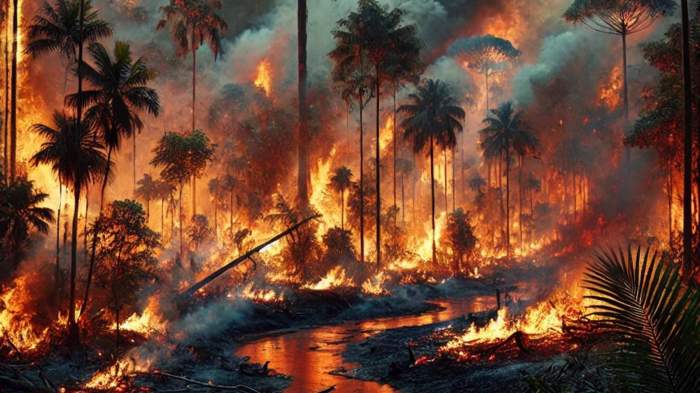
In August 2024, the number of fires in the Brazilian Amazon rainforest reached its highest level since 2010. According to government data released on September 1, over 38,000 fires were recorded in the region amidst a record-breaking drought — specifically, 38,266 fire hotspots . This figure is more than double that of the previous year and marks the highest number in the last 14 years.
2024 is shaping up to be the worst year for Amazon fires in the past two decades. In a worrying trend, the Brazilian Amazon saw a 76% increase in fire hotspots compared to 2023 during the same seven-month period (January – July). According to Brazil’s National Institute for Space Research (INPE) , there were nearly 25,000 fire hotspots through July 2024, the highest number for this period since 2005. Of these hotspots, 11,434 were recorded in July alone, an increase of 98% compared to the same month last year, which recorded 5,772 fire hotspots. The highest number of fires in a single day was recorded on July 30, with 1,348 hotspots.
Other parts of the Amazon also experienced a record number of fires in the first seven months of the year, including Bolivia. INPE data shows that Bolivia registered roughly 17,700 fire hotspots from January through July, the most ever recorded in that period. Venezuela, Guyana, and Suriname also saw a significant surge in fires in the first seven months of the year.
The Brazilian Amazon already faced a substantial increase in fires in 2023, with at least 26.4 million acres burned, representing a 35.4% increase from 2022. Most of this destruction occurred in the final months of the year. The current data indicates a critical and escalating situation for Amazon fires in 2024, highlighting the urgent need for immediate and effective action to prevent further damage.
This sharp rise in the number of fires in the Amazon coincides with increasing climate challenges in the region. The ongoing drought, now in its second consecutive year, has created ideal conditions for the ignition and spread of fires. The El Niño weather phenomenon, intensified by global climate change, has led to warmer and drier conditions, making the rainforest especially vulnerable.
Human activity also plays a significant role in the rising number of fires. The Amazon's normally wet climate usually prevents fires, but recently, fires have been driven by cattle ranching. Local residents are converting jungle into pastureland, which involves burning forests. Combined with drought and warm air, these actions contribute to more intense and prolonged fires.
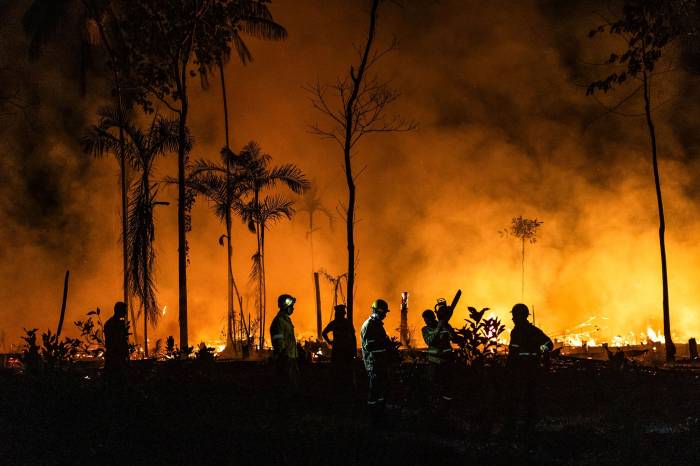
Experts warn that the current situation is a concerning signal for the future of the Amazon. The reduction of forested areas not only increases the number of fires but also diminishes the rainforest's ability to produce rain and maintain a humid climate. This creates a vicious cycle: deforestation worsens drought, which, in turn, raises the risk of fires.
Helga Correa, a conservation specialist at WWF-Brasil, emphasized that the fires are concentrated in the so-called “Arc of Deforestation,” which includes northern Rondonia, southern Amazonas, and southwestern Para. This region is a hotspot of human activity aimed at altering land use, further exacerbating the situation.
The situation in the Amazon requires immediate and decisive action from both Brazilian authorities and the international community. Given the impact of global climate change and the increasing number of fires, it is crucial to strengthen forest protection measures, enforce strict deforestation controls, and invest in ecosystem restoration.
Without effective measures to preserve forests and combat climate change, the Amazon risks losing its unique ecosystems, which play a critical role in maintaining global climate stability. It is imperative to act now to preserve this natural treasure for future generations.
2024 is shaping up to be the worst year for Amazon fires in the past two decades. In a worrying trend, the Brazilian Amazon saw a 76% increase in fire hotspots compared to 2023 during the same seven-month period (January – July). According to Brazil’s National Institute for Space Research (INPE) , there were nearly 25,000 fire hotspots through July 2024, the highest number for this period since 2005. Of these hotspots, 11,434 were recorded in July alone, an increase of 98% compared to the same month last year, which recorded 5,772 fire hotspots. The highest number of fires in a single day was recorded on July 30, with 1,348 hotspots.
Other parts of the Amazon also experienced a record number of fires in the first seven months of the year, including Bolivia. INPE data shows that Bolivia registered roughly 17,700 fire hotspots from January through July, the most ever recorded in that period. Venezuela, Guyana, and Suriname also saw a significant surge in fires in the first seven months of the year.
The Brazilian Amazon already faced a substantial increase in fires in 2023, with at least 26.4 million acres burned, representing a 35.4% increase from 2022. Most of this destruction occurred in the final months of the year. The current data indicates a critical and escalating situation for Amazon fires in 2024, highlighting the urgent need for immediate and effective action to prevent further damage.
This sharp rise in the number of fires in the Amazon coincides with increasing climate challenges in the region. The ongoing drought, now in its second consecutive year, has created ideal conditions for the ignition and spread of fires. The El Niño weather phenomenon, intensified by global climate change, has led to warmer and drier conditions, making the rainforest especially vulnerable.
Human activity also plays a significant role in the rising number of fires. The Amazon's normally wet climate usually prevents fires, but recently, fires have been driven by cattle ranching. Local residents are converting jungle into pastureland, which involves burning forests. Combined with drought and warm air, these actions contribute to more intense and prolonged fires.
Experts warn that the current situation is a concerning signal for the future of the Amazon. The reduction of forested areas not only increases the number of fires but also diminishes the rainforest's ability to produce rain and maintain a humid climate. This creates a vicious cycle: deforestation worsens drought, which, in turn, raises the risk of fires.
Helga Correa, a conservation specialist at WWF-Brasil, emphasized that the fires are concentrated in the so-called “Arc of Deforestation,” which includes northern Rondonia, southern Amazonas, and southwestern Para. This region is a hotspot of human activity aimed at altering land use, further exacerbating the situation.
The situation in the Amazon requires immediate and decisive action from both Brazilian authorities and the international community. Given the impact of global climate change and the increasing number of fires, it is crucial to strengthen forest protection measures, enforce strict deforestation controls, and invest in ecosystem restoration.
Without effective measures to preserve forests and combat climate change, the Amazon risks losing its unique ecosystems, which play a critical role in maintaining global climate stability. It is imperative to act now to preserve this natural treasure for future generations.
Thick smoke is rolling across most of #Brazil as the #Amazon is hit by the worst #wildfires in two decades. pic.twitter.com/qSSQBK5Kkt
— News.Az (@news_az) September 3, 2024


Similar news