Ballistic message to the West: Putin raises the stakes in the Ukraine conflict


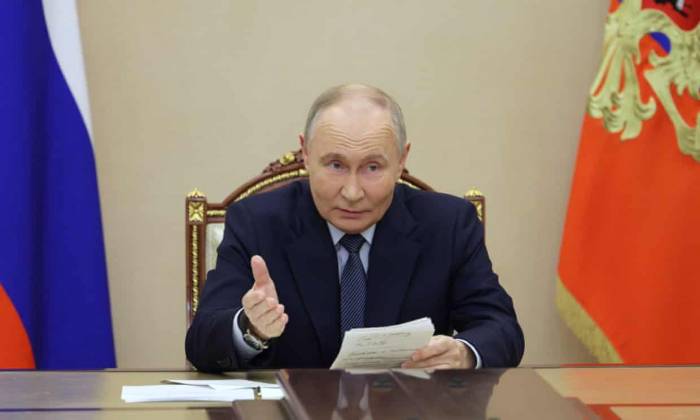
Vladimir Putin said Russia had enough of the missiles to continue to test them in ‘combat conditions’. Photograph: Gavriil Grigorov/Sputnik/Kremlin pool/EPA
By Murad Veliyev
On November 22, Russian President Vladimir Putin escalated tensions in the conflict with Ukraine by launching the intercontinental ballistic missile "Oreshnik" at a target in a Ukrainian city. This move was a direct response to the U.S. and its allies authorizing Ukraine to use long-range Western-made missiles to strike Russian targets.
Last week, Washington approved Ukraine's access to precision missiles such as ATACMS, followed by the UK's authorization for Ukraine to use Storm Shadow cruise missiles. Ukrainian President Volodymyr Zelensky had long sought these weapons, considering them a key element of his victory strategy.
The U.S. had previously avoided this step out of fear of provoking a direct NATO-Russia confrontation. Ukrainian officials emphasized that strikes would target only military objectives, such as ammunition depots or command centers. However, Moscow viewed this decision as a dangerous precedent, warning that any attacks on Russian facilities using NATO weapons would be considered a direct act of aggression by the alliance against Russia.
Against this backdrop, the launch of "Oreshnik" took place. The Kremlin preemptively notified the U.S. of its intent to conduct the test through channels established by the New START treaty, which regulates information exchange on strategic weapons. This action was clearly aimed at both Kyiv's allies and the incoming administration in Washington.
The missile targeted the "Yuzhmash" plant in Dnipro, a producer of military equipment and ammunition. In his address, Putin stated: "Russia reserves the right to use its weapons against facilities in countries that allow their armaments to be used to strike Russian targets."
The use of an intercontinental ballistic missile against an industrial city in central Ukraine is unprecedented. This move signals to Kyiv and its allies that Russia is prepared for further escalation, despite international concerns.
Ukrainian President Volodymyr Zelensky responded sharply to the strike, stating in his evening address: "Today, our deranged neighbor has once again shown their true nature and how little they value dignity, freedom, and human lives."
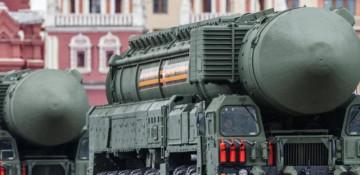
"Oreshnik" significantly surpasses the capabilities of ATACMS and Storm Shadow missiles provided to Ukraine. While the latter have ranges of 300–560 kilometers, Russia's new missile can strike targets up to 5,800 kilometers away. This puts not only Ukrainian cities but also the capitals of most European countries at risk.
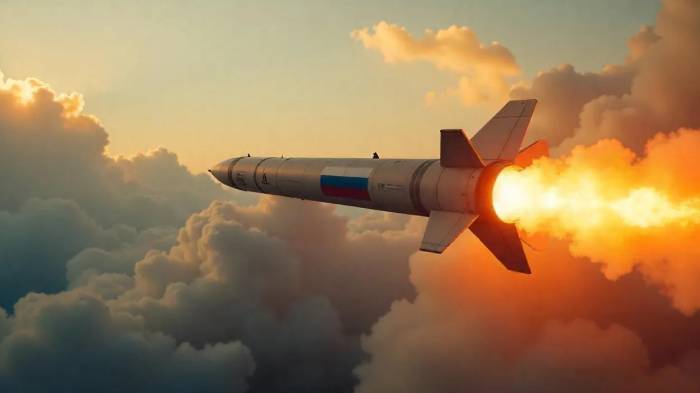
Photo - © Freepik.com
Notably, the "Oreshnik" missile system had not been mentioned in open sources before. Experts believe this may be intentional disinformation from the Kremlin to complicate assessments of Russia's military capabilities.
Meanwhile, the U.S. State Department suggested that "Oreshnik" might be a modified version of the RS-26 "Rubezh" missile. This multi-stage, solid-fuel missile, weighing 40 tons, has a hypersonic speed exceeding Mach 20 and can be equipped with a nuclear warhead.
A few years ago, the use of such missiles was regulated by the Intermediate-Range Nuclear Forces (INF) Treaty, signed during the Cold War. This treaty played a crucial role in stabilizing the strategic balance in Europe. However, the U.S. unilaterally withdrew from the agreement in 2019, accusing Russia of violations, including the development of missiles like the RS-26. Moscow soon followed suit, creating a legal vacuum in arms control.
The collapse of the INF Treaty opened the door for the development of a new generation of missiles in both Russia and the U.S. Both nations have focused on hypersonic technology and enhancing their nuclear arsenals, leading to a renewed arms race. "Oreshnik" is a striking example of where this process has led.
The use of "Oreshnik" in active combat is a chilling signal to the international community. It demonstrates the power and technology that can radically alter the balance of forces in Europe and beyond.
For Ukraine, this event has tragic consequences. The strike on Dnipro claimed civilian lives and caused severe damage to industrial infrastructure. Local authorities report extensive destruction, further exacerbating the humanitarian crisis in the country.
Meanwhile, the U.S. and its allies face a critical decision: continue supporting Ukraine at the risk of further escalation or seek diplomatic solutions to the conflict. One thing is clear: tensions between Russia and the West have reached a new peak.
The world is once again on the brink of an era where strategic weaponry becomes a central tool in global politics. While international institutions and diplomats continue to speak of peace, weapons like "Oreshnik" risk rendering such dialogue meaningless.
It is now critically important for world leaders to recognize the necessity of resuming arms control negotiations. The standoff between superpowers, accompanied by new missile tests, threatens not only regional stability but also the future of humanity itself.


Similar news