Battle for oil: Libya plunges into chaos


By Asif Aydinli
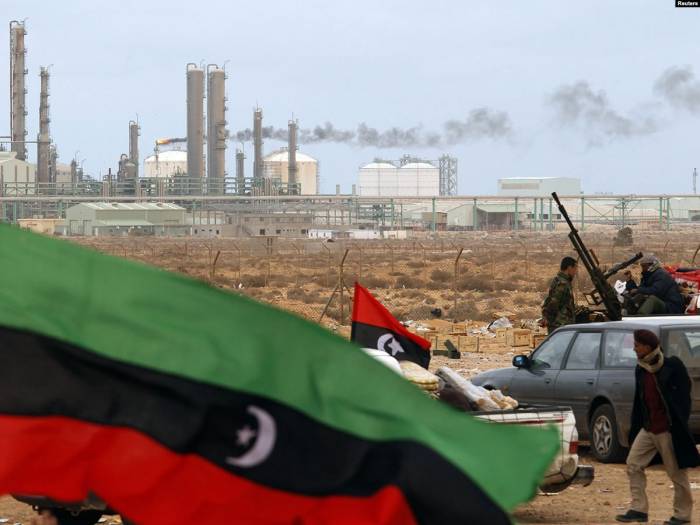
The situation in Libya is heating up again: the clash between the eastern and western governments has reached a boiling point, impacting one of the country's key economic sectors — oil. The declaration of force majeure and the halt in oil production and exports once again highlight the deep divisions that have torn the country apart since Muammar Gaddafi was overthrown in 2011. With political instability and economic uncertainty, Libya's move to temporarily shut down its oil fields and ports will undoubtedly affect both the local situation and global energy markets.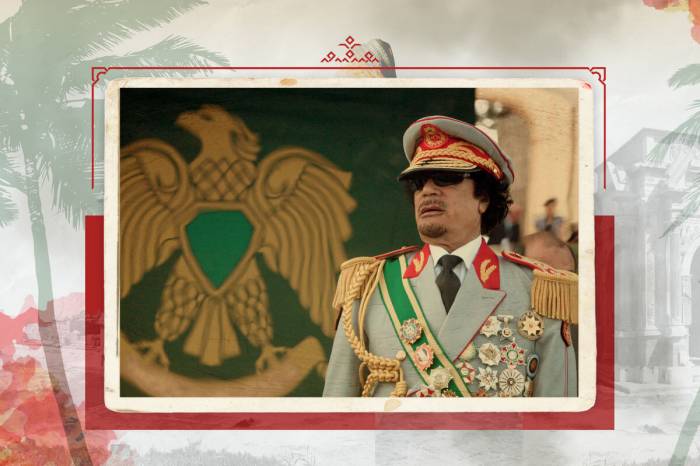 The Libyan government in Benghazi, located in the east, has declared force majeure on all oil fields, ports, and associated organizations, stopping oil production and exports until further notice. This decision comes as the conflict with the government based in Tripoli, in the west, intensifies.
A major reason behind the halt in oil production and exports is the ongoing dispute between Libya's eastern and western governments, which has escalated over who should control the Central Bank of Libya . For over a week, there's been a tug-of-war over who gets to lead the bank, which manages substantial oil revenue. The western government in Tripoli announced the dismissal of Central Bank Governor Sadiq Al-Kabir, but he refused to step down, deepening the political crisis.
Following this news, oil prices have started climbing. Brent crude has jumped by 3%, exceeding $81 per barrel. According to Bloomberg, Libya was pumping out about 1.15 million barrels of oil per day last month. The production halt is bound to have a big impact on global oil markets, given Libya’s role as a key oil supplier.
Libya holds the largest hydrocarbon reserves in Africa, with proven oil reserves estimated at 48.4 billion barrels as of early 2020. Although Libya is part of OPEC , it doesn’t currently participate in the OPEC+ agreements on cutting oil production. OPEC data shows that Libya’s oil output in June 2024 was 1.2 million barrels per day, a significant increase compared to previous months.
Before the civil war that erupted after Gaddafi’s fall in 2011, Libya was the world’s 12th-largest oil exporter, producing 1.6 million barrels a day. However, after the coup, the country ended up with two governments: one in Tripoli, backed by the UN, and the other in Benghazi, with the mandate of the House of Representatives. This political divide has taken a toll on the oil industry, causing frequent production stoppages from 2013 to 2020, resulting in losses of over 180 billion USD.
Libya’s oil production situation remains highly unpredictable. On August 5, 2024, Libya started a partial shutdown of its largest oil field, El Sharara. Production at the field dropped by 30,000 barrels a day to 230,000 barrels as of August 3. Although no official reasons for the reduction have been announced, it’s clear that El Sharara has often been caught in the crossfire of the country’s political battles.
The declaration of force majeure and the suspension of oil production and exports in Libya underscore the deep political crisis that has gripped the country since 2011. Amidst this power struggle and instability, Libya’s oil industry faces significant risks that could have far-reaching effects on global oil markets and the country's economic stability. Moving forward, any resolution of the conflict between the two governments will be crucial for stabilizing oil production, which will, in turn, shape Libya’s economic future and its role in the global energy market.


Similar news