Mojtaba Demirchilou: Israel’s Anzali strike creates trade delays with Azerbaijan- EXCLUSIVE


.png)
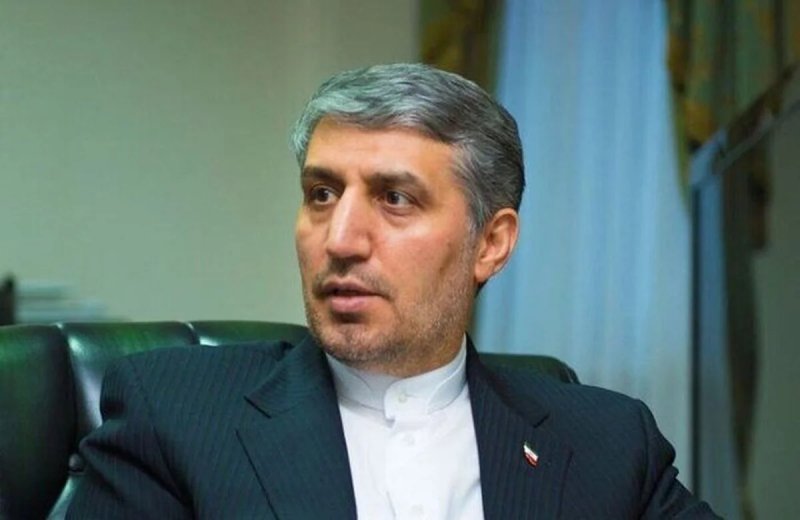
Israel has carried out a strike on the Iranian port of Bandar Anzali, located on the Caspian Sea coast — a key logistics hub that facilitates Iran’s trade and transport links with regional countries, including Azerbaijan. This incident goes beyond a purely military episode, affecting critical economic and infrastructure processes across the Caspian basin.
As reported by News.Az, the outlet sought to analyze the situation and spoke with Mojtaba Demirchilou, Iran’s Ambassador to Azerbaijan, to assess how the incident could impact economic ties between the two countries and the functioning of their port infrastructure.
In an interview with News.Az, the Ambassador of the Islamic Republic of Iran to Azerbaijan, Mojtaba Demirchilou, said the attacks could have direct and potentially negative consequences for bilateral economic relations, particularly in areas linked to trade flows, logistics coordination and cross-border commercial activity.
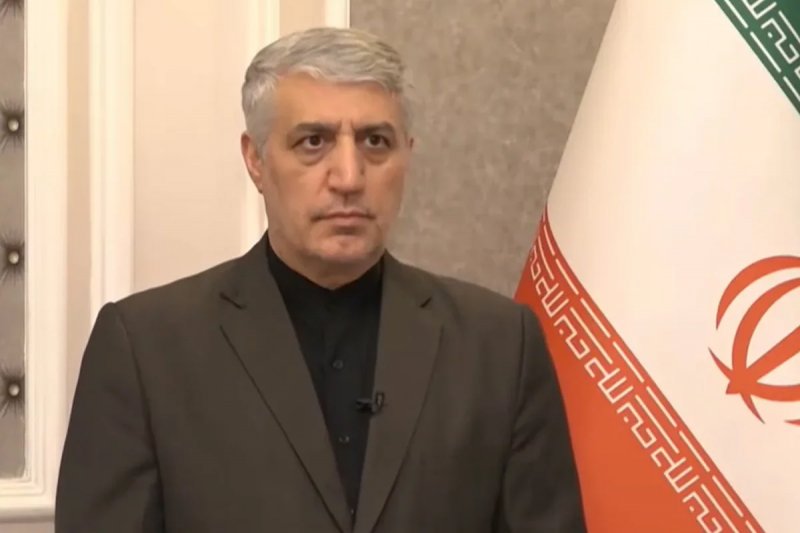
Photo: Mojtaba Demirchilou, Ambassador of the Islamic Republic of Iran to Azerbaijan
“The attacks carried out against the Port of Anzali affect relations between Iran and the Republic of Azerbaijan in two main ways,” he said, outlining both immediate and broader regional implications.
“First, disruptions and obstacles in the operation of the Port of Anzali lead to a temporary loss of stability in trade relations between the two countries, resulting in delays. In practical terms, this means that the normal rhythm of cargo movement is interrupted, delivery schedules are extended, and businesses on both sides face uncertainty in fulfilling contracts and maintaining supply chains,” he added.
As a second point, Mr Demirchilou noted that such incidents contribute to rising tensions in the region, putting at risk not only shipping routes but also aviation, the investment climate, energy transport lines and infrastructure in the Caspian basin. “This creates a wider environment of uncertainty, where not only current operations but also future investment decisions and infrastructure planning may be affected. As tensions increase, insurance costs, operational risks and logistical challenges are likely to grow,” he said.
“This situation will deepen instability in the region and increase economic risks for all regional states, including Iran and Azerbaijan. The impact is not limited to bilateral ties, but extends to the broader regional economic system, where interconnected transport and energy networks play a crucial role,” he noted.
According to him, it is essential for all countries in the region to prevent the recurrence of such incidents and to stop the spread of conflict into the Caspian Sea through joint efforts. “Coordinated action and dialogue will be necessary to preserve stability and ensure that vital transport corridors remain secure and functional,” the ambassador said.
He added that maritime transport remains the primary and most efficient method for moving bulk cargo between the two countries, particularly for heavy and high-volume goods that are not easily transported by land or air.


Similar news