Ceasefire is a tactical move, not strategic breakthrough, expert warns


.png)
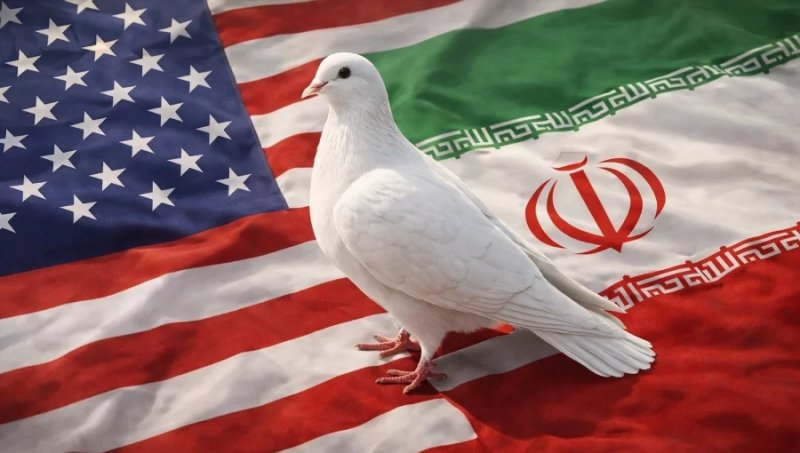
A fragile ceasefire between the United States, Israel, and Iran has halted weeks of escalating conflict in the Middle East. Brokered with Pakistan’s mediation, the two-week truce includes the reopening of the Strait of Hormuz to secure global energy flows. Israel has supported the pause, though key disagreements remain.
Experts say the ceasefire reflects tactical necessity rather than a lasting settlement. They note that while tensions have eased for now, the absence of a broader political agreement leaves the truce fragile and vulnerable to collapse if underlying disputes are not resolved.
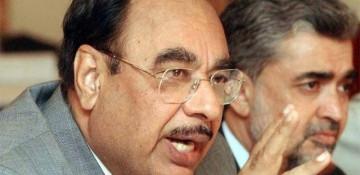
Israeli political scientist Yuri Bocharov said the ceasefire between the United States, Israel, and Iran should be viewed as a temporary stabilisation measure rather than a comprehensive resolution to the region’s deep-rooted conflicts.

Photo: Israeli political scientist Yuri Bocharov
Speaking to News.Az, Bocharov said the situation in the Middle East must be assessed within a broad, multidimensional framework that takes into account not only the positions of the main parties but also the interests of external actors with significant stakes in the region.
According to him, the ceasefire reflects differing priorities among key stakeholders. For the United States, he said, the agreement is driven primarily by the need to maintain domestic political stability and reduce the costs of prolonged foreign engagements. For Israel, however, the focus remains on national security and preserving strategic deterrence, particularly in light of ongoing threats.
Bocharov noted that countries across the Middle East are approaching the situation from an economic perspective, prioritising stability in energy markets and the security of key transit routes. External actors, he added, are largely focused on minimising risks to global markets, particularly in energy and shipping.
“In this context, the ceasefire appears less a definitive solution and more an instrument of temporary stabilisation,” he said, adding that it creates space for diplomatic manoeuvring but does not resolve the fundamental contradictions underlying the conflict.
He pointed out that within Israel, the agreement has received cautious and in some cases critical reactions from political and security circles, with several pre-escalation objectives still unfulfilled, including efforts to curb Iran’s nuclear programme, reduce ballistic missile threats, and halt Tehran’s support for allied non-state actors such as Hamas and Hezbollah.
Bocharov also highlighted continued military tensions along the Lebanese front, where confrontations with Hezbollah persist, suggesting that the broader cycle of escalation has not been fully contained.
At the same time, he said Israel’s strategic decisions remain closely tied to its relationship with the United States, particularly in terms of military supplies, technological support, and operational coordination, adding that this interdependence plays a crucial role in shaping its approach to the ceasefire.
“The current situation is perceived more as a temporary lull influenced by external political factors than as a sustainable settlement,” he said.
He added that the regional environment remains highly volatile, with developments unfolding rapidly and unpredictably, making both short- and long-term forecasts uncertain.


Similar news