Denmark strikes at Russia's "shadow fleet"


By Asif Aydinli
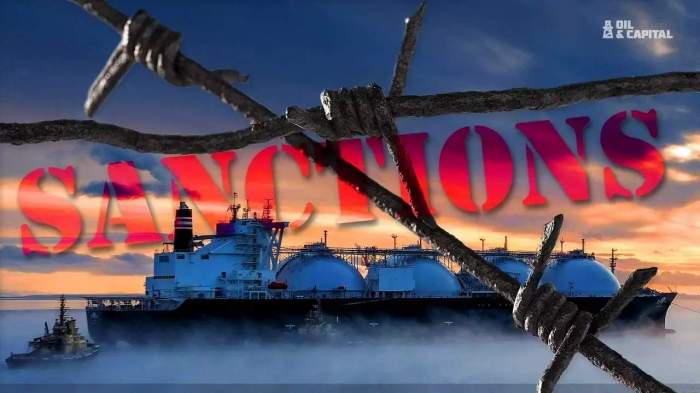
Denmark has taken a bold step in the ongoing effort to curb Russia's "shadow fleet" by banning 27 oil tankers, currently under EU sanctions, from entering its ports. According to a report by Danwatch, which cited an internal letter from the DanPilot pilot service, these tankers are now barred from using Danish ports, anchorages, and services like refueling and resupplying.This move comes in response to the European Union's latest wave of sanctions, part of its 14th package against Russia, adopted in June 2024. These sanctions target 27 tankers as part of a broader strategy to crack down on Russia’s attempts to evade restrictions and continue its oil exports.
The issue of the sanctioned tanker fleet is attracting significant international attention. Since the start of the conflict in Ukraine, Russia has been building what is often referred to as a "shadow fleet" to circumvent sanctions and keep its oil exports flowing. This fleet includes hundreds of older vessels bought up by a network of obscure traders and investors.
By early 2023, estimates from sources like the Financial Times, The Economist, and CNN suggested that the "shadow fleet" comprised between 360 to 600 ships, representing roughly 10% of the global tanker market. Companies such as Trafigura and Gunvor have pegged this fleet at around 650 and 300-400 ships, respectively. The sheer size of this operation underscores the significance of Denmark's decision to block these tankers from its ports, aiming to severely disrupt Russia's ability to deliver oil to international markets.
Denmark is also considering additional shipping restrictions in the Baltic Sea, citing environmental risks posed by these outdated tankers.
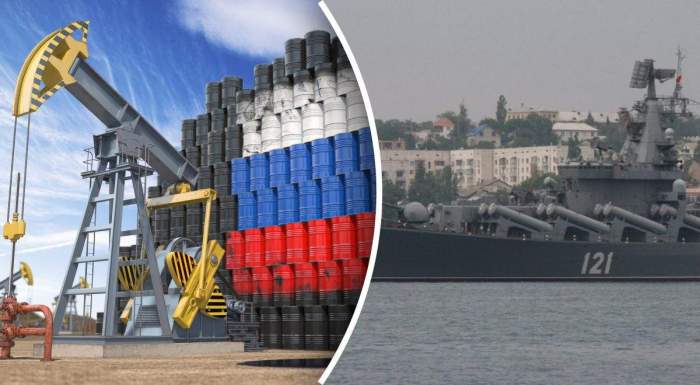
The sanctions from the European Union and other countries, including the UK, are not just about limiting Russia's capacity to trade oil; they're about tightening the economic screws. In July 2024, the UK added its own sanctions against 11 tankers carrying Russian oil and petroleum products to third-party countries.
In response to these tightening measures, Russia has been rerouting its oil exports to new markets. Russian Deputy Prime Minister Alexander Novak reported that by 2023, 86% of its oil exports were heading to "friendly" nations, up from 40% in 2021.
Likewise, the share of petroleum product exports to these countries increased to 84% from 30% over the same period.
Meanwhile, Russian President Vladimir Putin has extended the ban on oil exports under contracts with price caps through the end of 2024. Analysts suggest that these actions aim to maintain economic resilience despite severe sanctions and efforts to isolate Russia on the global energy stage.
Denmark's ban on sanctioned oil tankers is a strategic part of a larger effort to confront Russia's "shadow fleet" and limit its influence in the global oil market. These moves are designed to restrict Russia's ability to skirt international sanctions and to promote stability and security in the Baltic region.


Similar news