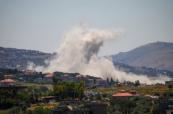
Grinberg: If Hamas violates the ceasefire, Israel will launch full-scale strikes – INTERVIEW


.png)

The recently announced ceasefire between Israel and Hamas has reshaped the dynamics of the Middle East conflict. Under the deal, Hamas has agreed to release all living hostages in a single exchange – an unprecedented move. The agreement comes amid shifting geopolitical calculations involving the United States, Qatar, Egypt, and Saudi Arabia.
To better understand the implications of the ceasefire, Israel’s priorities, and potential regional shifts, News.Az analytical portal spoke with Alexander Grinberg, who analysed the deal, the actors involved, the prospects for future talks, and the possible consequences of violations.
Mr Grinberg is a major (reserve) in the Israel Defense Forces (IDF) Military Intelligence Research Department. He holds degrees in Middle Eastern and Islamic Studies, and Arabic Language and Literature from the Hebrew University of Jerusalem, and is a doctoral student in Iranian history at Tel Aviv University.
– How do you assess the recent ceasefire reached between Israel and Hamas overall?
– In general, it is a difficult question because we still lack full information. What we do know is that Hamas has agreed to release all the living hostages at once, in a single exchange. This is the most crucial element for Israel.
Previously, I believed Hamas would never agree to such a move, as the living hostages are essentially their “life insurance.” I assumed they would prolong the process, releasing small groups over time, perhaps over the course of a month, while finding pretexts to accuse Israel of violating the agreement. Contrary to these expectations, they have agreed to release everyone simultaneously. If this happens in the coming days, it would be a significant breakthrough.

Source: CBS News
If all the hostages are released, the war could end. So, when global criticism is directed at Israel for continuing military operations, it is important to remember that these are not prisoners of war; they were abducted from their homes. If Hamas truly wants the war to end, it must surrender and release all hostages.
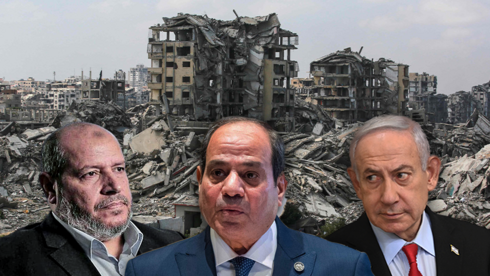
What follows remains uncertain. Personally, I doubt that Hamas will lay down its arms and withdraw from Gaza. Much depends on broader diplomatic developments, particularly negotiations involving key figures such as Jared Kushner and Mohammed bin Salman. If the ceasefire and hostage release are successfully implemented, Saudi Arabia will likely join the emerging regional agreements.
Hamas’s goal had been to block this diplomatic process, but it has now been militarily weakened. One of Trump’s notable achievements has been isolating Hamas from support across the Arab world. Hamas will remain a terrorist organization, but without meaningful state backing.
Source: Ynet
In this evolving geopolitical context, Azerbaijan’s involvement could become increasingly significant. If Azerbaijan joins the regional agreements, Iran would effectively be sidelined. The Zangezur corridor plays a crucial role here, as it would connect Azerbaijan to Turkey while bypassing Iran – a strategically important development.
If Saudi Arabia and Egypt agree to normalization, they will receive U.S. support and economic benefits. From a practical perspective, it also makes sense for Azerbaijan to be part of this framework. Some Western countries such as France oppose Azerbaijan due to their alignment with Armenia, but the geopolitical landscape is shifting.
– What were Israel’s main priorities during the ceasefire negotiations, and to what extent have they been fulfilled?
– At this stage, the process is still in its early phases. The release of hostages is expected to take place over several days. During this period, Israel is required to pause its military operations, though it has not withdrawn its forces from Gaza.

Source: Bakerinstitute
In previous negotiation frameworks, Hamas sought to dictate the end of the conflict by demanding that Israel halt air operations over Gaza, withdraw entirely, and only then would hostages be released. Such conditions were unacceptable for Israel.
This time, the situation is markedly different. If Hamas fails to fulfill its commitments, Israel can immediately resume its military campaign. If Hamas does comply, Israel will reciprocate by releasing certain high-profile Palestinian prisoners. While this is not an ideal outcome, it is a price Israel is prepared to pay to bring its citizens home. Importantly, unlike previous agreements, Israel is not required to release thousands of dangerous terrorists upfront.
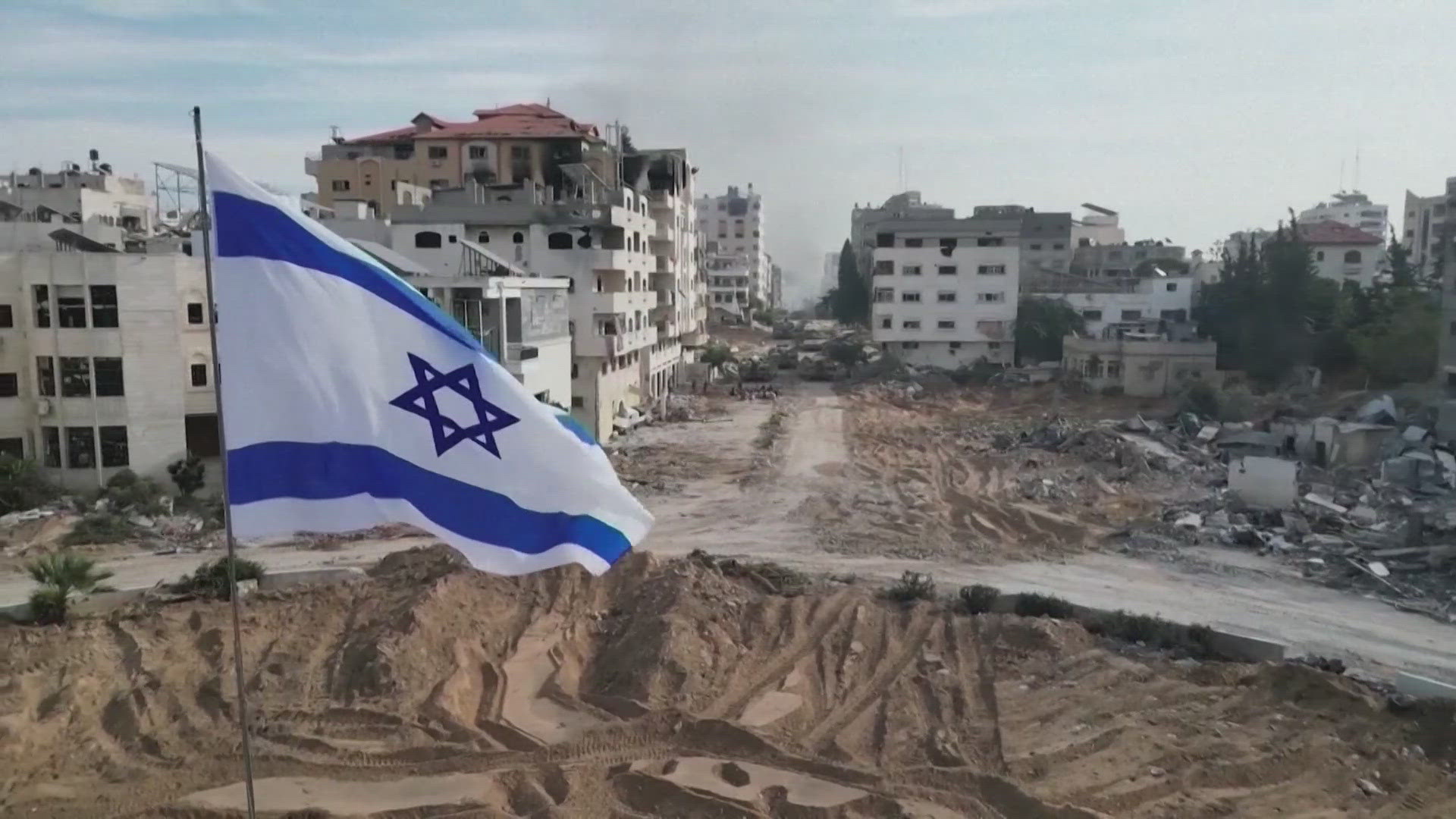
Once the terms are implemented, Israel intends to maintain control over a security perimeter inside Gaza to prevent future terrorist infiltrations. Realistically, many of the released prisoners will return to Gaza, but this risk is considered manageable within the broader framework of the agreement.
Source: Reuters
This deal could not have been achieved without the involvement of U.S. President Donald Trump. As always, financial incentives play a central role – agreements of this scale depend on economic arrangements behind the scenes. For example, in the case of the Zangezur corridor, there have been discussions about deploying an American security company in the area, which would both reassure Armenia and deter Iran. A similar principle could apply in Gaza: while no international force is eager to invest heavily in Gaza’s security, the presence of an American security contingent could serve as a powerful deterrent against future aggression.
– How do you evaluate the roles of Qatar, Egypt, and the United States in this agreement?
– Each country involved has its own interests. Qatar supports Hamas but approaches the situation pragmatically. Egypt does not share Hamas’s ideology, but it benefits strategically from mediating between Hamas and Israel, which enhances Cairo’s regional influence.
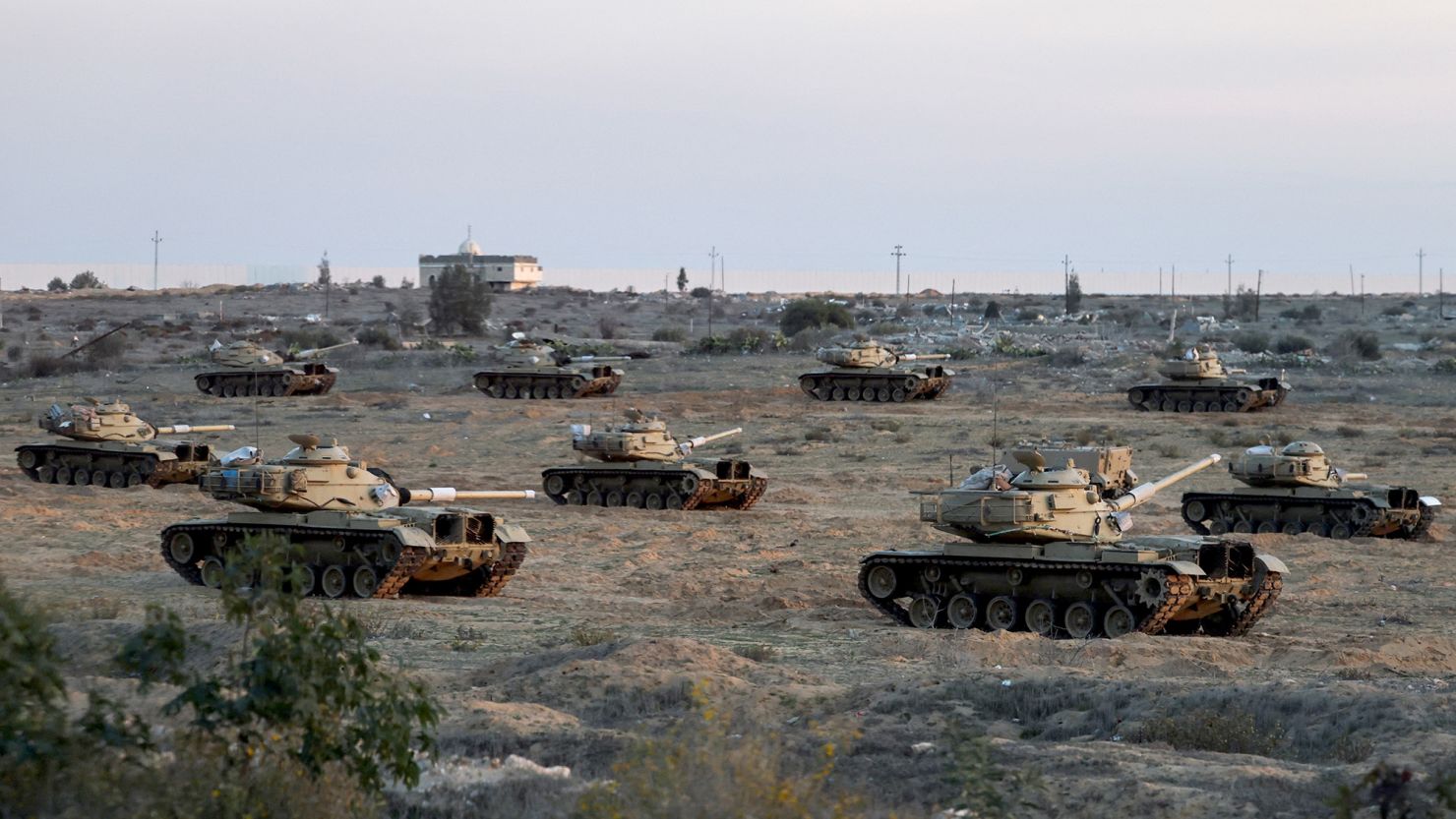
Many in Israel mistakenly view Egypt as entirely opposed to Hamas. In reality, weapons have flowed from Sinai into Gaza for years under Egypt’s watch. Whether this was due to a lack of capability or quiet cooperation remains unclear, but it is an undeniable fact.
Source: CNN
Trump’s team, which operates more like tough real estate negotiators than traditional diplomats, likely delivered firm messages behind closed doors. The message to Qatar and Egypt was clear: support the deal and you will be rewarded; obstruct it, and there will be consequences. This kind of hard, unspoken bargaining is both common and effective.
Qatar’s behavior is partly ideological but ultimately pragmatic, driven by self-interest. Neither Egypt nor Qatar will openly declare that they have signed binding agreements, yet in practice, both are likely to act in accordance with them. This dynamic resembles Azerbaijan’s quiet but strategically significant regional agreements – arrangements that may not be publicized but are widely understood.
– Can this ceasefire create a real foundation for future peace talks?
– Yes, potentially, but it depends on what we mean by “peace talks.” If we are referring to the expansion of normalization agreements such as the Abraham Accords, then this ceasefire could indeed serve as a foundation. However, it is important to be precise with language: agreements with countries like Saudi Arabia would constitute normalization agreements, not peace treaties, since these states were never formally at war with Israel.
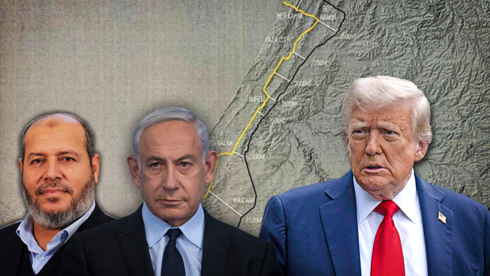
Source: Ynet
If, however, we are talking about peace with the Palestinians, that is a very different matter. Under the current circumstances, I believe it is impossible. The October 7 attacks were not a conventional military confrontation; they were a brutal invasion marked by massacres and atrocities. In the aftermath of such events, there is no serious constituency in Israel that believes peace with Hamas can be achieved.
That said, if Hamas is significantly weakened and political Islam as a movement experiences a major setback, the likelihood of future large-scale conflict could diminish. Even if this does not lead to peace in the traditional sense, reducing the risk of renewed war would still represent a meaningful and positive outcome.
– How will Israel respond if Hamas violates the ceasefire?
– If Hamas violates the ceasefire, Israel will launch a full-scale offensive and reoccupy Gaza. The goal would not be to make peace but to reassert complete control over the situation.
Importantly, Trump has made sure that all relevant parties, including Arab states formally recognize that if Hamas breaks the deal, it will be clear who is responsible. This shared understanding will give Israel diplomatic backing to act decisively.


Similar news