Emre Diner: Security in Eastern Mediterranean cannot exist without Türkiye - INTERVIEW


.png)
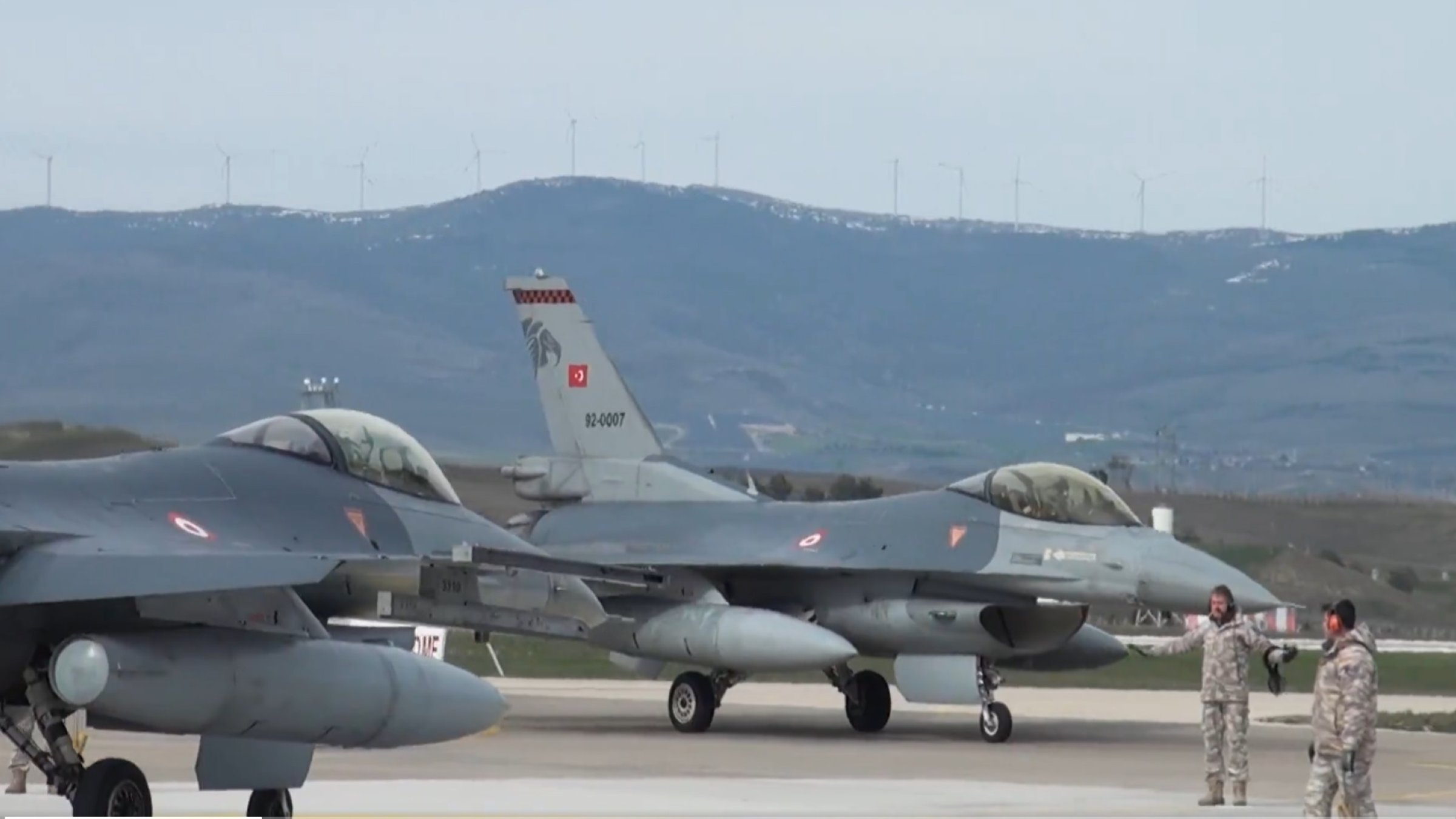
Türkiye has deployed F-16 fighter jets to Northern Cyprus, while France has sent its aircraft carrier Charles de Gaulle toward the Middle East amid rising regional tensions. The developments come as military activity increases across the Eastern Mediterranean, with several countries reinforcing their naval and air presence.
The News.Az analytical portal discussed the issue with Turkish political expert Emre Diner to explore the political and strategic implications of these developments.
– Mr. Diner, what military and political message does Türkiye’s deployment of F-16 fighter jets to Cyprus send, and what is the main objective of this move?
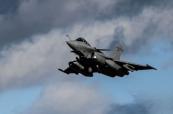
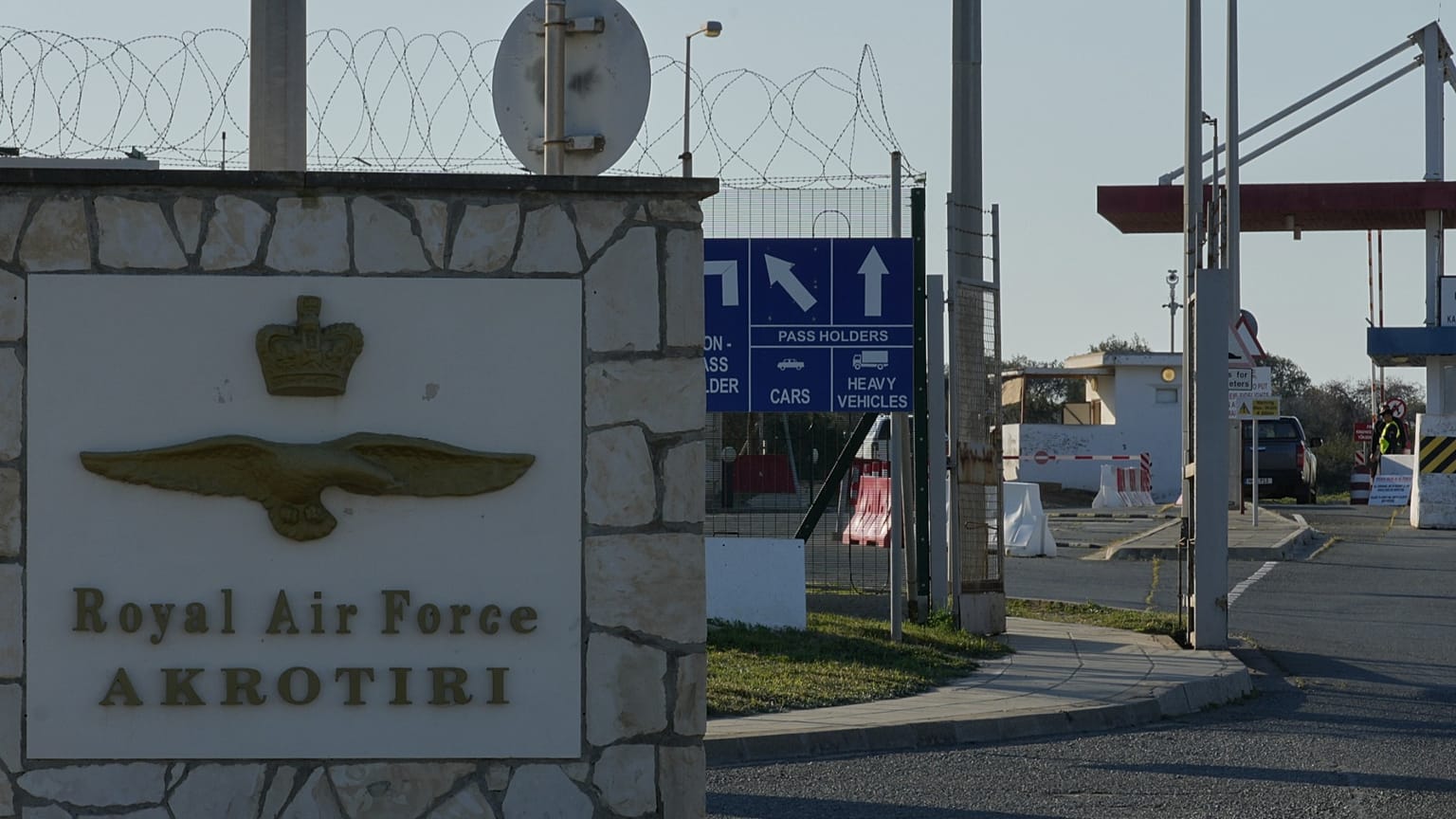
– Türkiye’s deployment of F-16 fighter jets to the Turkish Republic of Northern Cyprus (TRNC) is not only a strategic development but also a clear message to the Greek Cypriot administration, which claims sovereignty over the entire island. Countries such as Greece, Germany, France, and the United Kingdom have sent frigates to the southern part of the island amid rising tensions in the Middle East.
Ankara, while expanding its geopolitical influence, also acts with a sense of responsibility to protect Turkish Cypriots. Under the 1960 Cyprus partnership agreements, Türkiye is a guarantor state on the island not only for the north but also for the south, alongside the United Kingdom and Greece. This step serves as a reminder of Türkiye’s presence and role on the island.
Source: AA
Security concerns are also an important factor. For example, Greek Defense Minister Nikos Dendias stated that “the Iran war is an opportunity to remove Turks and Turkish soldiers from the island.” Although such statements from Athens are intended to provoke Ankara, Türkiye’s deployment of F-16s to Cyprus sends a message both to Athens and to the Greek Cypriot administration: “I am here, and I care about Cyprus as well. Security in the Eastern Mediterranean cannot exist without Türkiye.”
Therefore, this step clearly signals Türkiye’s commitment both to the security of Cyprus and to maintaining the balance of power in the Eastern Mediterranean. In the coming period, additional steps, such as more intensive patrols by the Turkish Navy in the Eastern Mediterranean, may also be expected.
– How could France’s decision to direct the aircraft carrier Charles de Gaulle toward the Middle East affect the regional balance of power?
– First of all, it should be noted that France and the Greek Cypriot administration are engaged in a broader effort to expand their influence in the international arena. France’s move can be interpreted as part of this wider strategy.
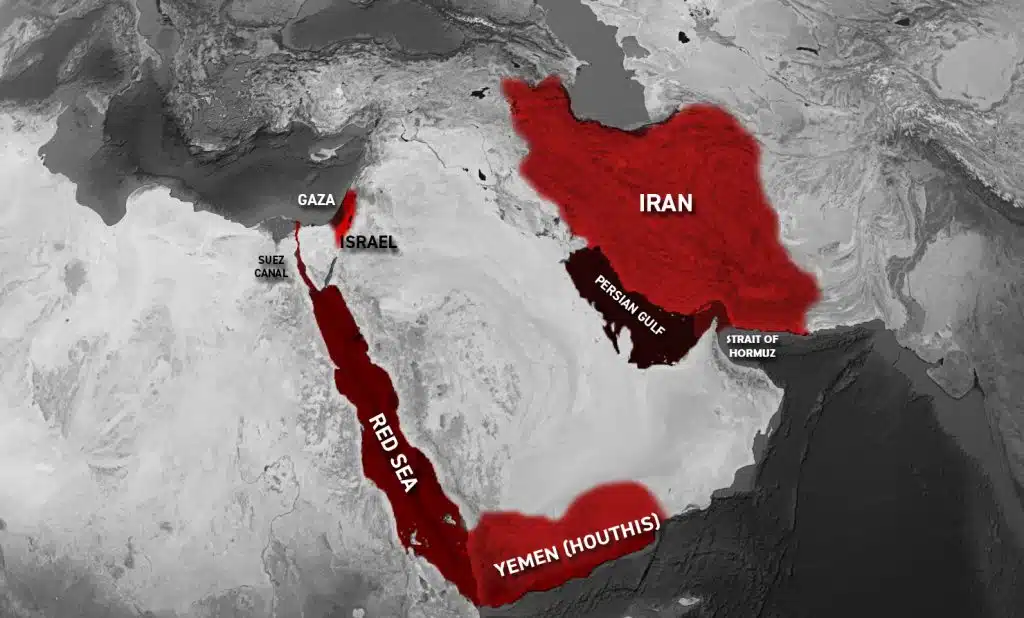
After Iran closed the Strait of Hormuz, the French nuclear-powered aircraft carrier Charles de Gaulle was reportedly sent toward the Eastern Mediterranean on the instructions of President Emmanuel Macron. Paris’ main objective can be interpreted as strengthening the military balance in favor of the West against Iran by deploying the carrier strike group to the region.

Source: TVP World
In this way, France aims to increase Europe’s weight in regional security and establish a deterrent presence, particularly in the area of maritime security. As is well known, Iran’s closure of the Strait of Hormuz triggered global consequences, including fluctuations in oil prices.
Paris’ decision may also be linked to U.S. President Donald Trump’s warning to Tehran regarding the Strait of Hormuz, in which he said: “If you cut off the oil flow, we will strike 20 times harder.” In this context, the deployment of the Charles de Gaulle could be interpreted as a protective and deterrent measure in the event of a potential U.S.-Israel-Iran confrontation in the Strait of Hormuz.
– Could the increasing military activity of Türkiye and France create new geopolitical tensions in the Eastern Mediterranean and the Middle East?
– The current U.S.-Israel-Iran tensions represent not only a military confrontation but also the beginning of a new strategic era that could affect the entire world, particularly the Middle East. The high level of tension between Iran and Israel, with the United States as a direct participant, has exposed the fragility of the regional order.
The effects of this crisis have also extended to the Eastern Mediterranean. Countries such as the Netherlands, the United Kingdom, Italy, and Greece have deployed naval and defense assets to the region. France has also sent its nuclear-powered aircraft carrier Charles de Gaulle along with additional warships.
Source: mapfre
However, due to NATO’s internal mechanisms, a direct military confrontation between Türkiye and France is highly unlikely. It is also worth recalling that France has long sought to strengthen its position within NATO and often competes for influence in the region. Paris typically aligns itself with the European bloc that supports Greece and the Greek Cypriot administration, while Türkiye is a strong NATO member seeking to protect its rights and interests in the region.
Therefore, interpreting the military movements of Türkiye and France as the beginning of a new war would be a mistake. Nevertheless, when these developments are viewed in the context of the broader crisis in the Middle East, there remains a possibility, albeit limited, that the Eastern Mediterranean could become a new center of geopolitical tension.
Ultimately, the actions of both countries in the Eastern Mediterranean can be described as a display of “controlled power.”
– Should Türkiye’s move be interpreted as a coordinated security measure within NATO or primarily as part of its national security strategy?
– First of all, Türkiye is a member of NATO. For this reason, when crises emerge in regions such as the Middle East, Türkiye seeks to maintain a balance by fulfilling its alliance obligations while also preserving flexibility in its regional policies.
It is also important to note that Southern Cyprus is not a NATO member. It is a member of the European Union and has even held the rotating presidency of the EU. Therefore, cooperation within NATO sometimes reflects the interests of EU countries that maintain close relations with Southern Cyprus.
Source: euronews
However, the deployment of F-16 fighter jets to the TRNC should primarily be viewed as part of Türkiye’s national security and deterrence strategy. Through this move, Ankara has made its military presence in the Eastern Mediterranean more visible. It also strengthens Türkiye’s capacity to respond rapidly to potential crises while delivering a clear message to regional actors: “Nothing can happen without me.”
At the same time, because of Türkiye’s NATO membership, such moves cannot be considered entirely independent of the alliance. However, certain issues, such as the Cyprus question, constitute exceptions. Cyprus is not directly within NATO’s operational framework, and therefore the F-16 deployment largely reflects Türkiye’s own geopolitical calculations and security priorities, including the protection of both Türkiye and Turkish Cypriots.
In conclusion, Ankara’s decision to deploy F-16s to the TRNC should be understood primarily as a reflection of Türkiye’s strategy to establish balance and deterrence in the Eastern Mediterranean rather than as a NATO-driven initiative.
– In light of the growing military activity in the Middle East, what could be Türkiye’s next steps and what scenarios is Ankara preparing for?
– The rapidly escalating tensions between the United States, Israel and Iran, together with the military buildup in the Eastern Mediterranean, have pushed Türkiye toward a multilayered security assessment strategy.
Ankara’s current approach to regional developments reflects careful and strategic planning. Türkiye is focused on managing risks and preparing for surrounding crises without becoming directly involved in war.
Türkiye is pursuing a three-pillar strategy. The first and most important pillar is deterrence, the second is diplomacy, and the third is crisis management.
Source: paturkey
Türkiye is a powerful state on the global stage, and historically such states always prepare for worst-case scenarios. One of the key possibilities Ankara is considering is not merely a change of system or regime in Iran, but the potential fragmentation of the Iranian state itself. Such a development would fundamentally shake the geopolitical balance of the Middle East.
Iran has a population of nearly 90 million and contains a complex structure of various ethnic and sectarian communities. The collapse of such a structure would not remain confined to Iran’s borders. It could create new lines of conflict across a vast geography stretching from Iraq and Afghanistan to Türkiye and the Gulf.
At the same time, one of the risks Türkiye is particularly focused on is instability along the Iran–Iraq corridor and the possibility of a new migration wave. The Syrian civil war that began in 2011 provided an important lesson for Türkiye.
For this reason, Türkiye is strengthening its border security, increasing military and technological surveillance along the Iranian border, and preparing for the possibility of a migration surge. At the same time, Ankara continues active diplomacy and presents itself as a reliable partner both for the parties involved in the conflict and for those affected by the war.
Türkiye also has a long-standing strategic tradition of avoiding becoming a direct party to conflicts while emphasizing its role as a diplomatic mediator. During the 11 days of the war, Ankara has maintained contacts with both the United States and Iran.
As reflected in official statements, Türkiye’s priority remains a ceasefire and diplomacy. The objective behind this approach is clear: to avoid appearing as a party to the war while simultaneously reducing economic and energy risks and preserving Türkiye’s regional influence.


Similar news