Is Egypt shifting alliances? Who really controls investments in the country?


Editor's note: Russian military-political analyst, expert in the field of strategic security, specialist in the Middle East and Africa Vladimir Bekish. The article expresses the personal opinion of the author and may not coincide with the view of News.Az.
There are countries where, due to their geographical location and climate, sunny and warm days are rare. These places endure long months of cold weather, heavy snowfall, and freezing rain. Naturally, people feel more comfortable in warmth, where they don’t need to wear heavy coats and can enjoy abundant sunshine, sunbathe, and swim in a warm sea while watching the sunset over the horizon.
Conversely, some countries experience warmth, even intense heat, for most of the year. These nations often boast coastlines with warm waters and sandy beaches, making them attractive destinations for people from colder regions seeking relaxation under the sun. If, in addition to its inviting climate and coastline, a warm country also possesses unique historical landmarks—including those recognized among the Seven Wonders of the World—it becomes even more appealing to visitors from colder climates.
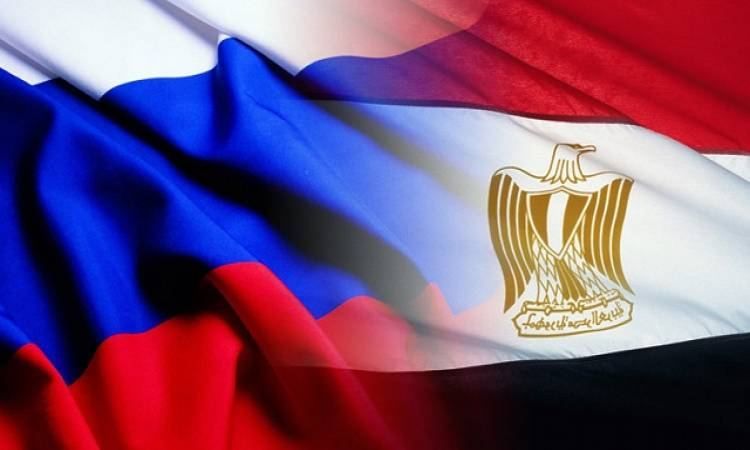
In this case, the cold country is Russia, and the warm country is Egypt. However, the relationship between these two nations extends far beyond tourism and the influx of Russian travelers to Egyptian resorts. Russia and Egypt share a long-standing and multifaceted partnership that has historically been positive and cooperative, encompassing foreign policy, economic ties, military cooperation, and wartime alliances.
Source: Reuters
Russian-Egyptian relations—historically rooted in Soviet-Egyptian ties—have largely been shaped by the ongoing Arab-Israeli conflicts and wars in the region. The USSR, and later Russia, consistently sided with the Arab states, positioning itself against Israel. Egypt was often at the center of these conflicts, particularly regarding territorial disputes over the Sinai Peninsula, the Gaza Strip, the Suez Canal, and the broader Palestinian issue. The Soviet Union not only supplied Egypt with weapons and military equipment but also played a covert role in combat operations, providing intelligence, military advisors, fighter pilots, and air defense units.
Beyond military collaboration, Soviet-Egyptian and later Russian-Egyptian relations expanded into financial assistance, economic and industrial cooperation, oil and gas exploration, construction, and food supply agreements. This deep-rooted partnership, however, has evolved significantly in the present day.
Today, the Middle East is once again embroiled in crises, armed conflicts, and humanitarian emergencies affecting Palestinians, Syrians, Jordanians, Israelis, and Egyptians. Egypt plays a crucial role in humanitarian efforts, including aid distribution, negotiations, evacuations, and refugee resettlement. Yet, beyond these immediate concerns, Egypt remains a key strategic player on the global stage, attracting cooperation and investment.
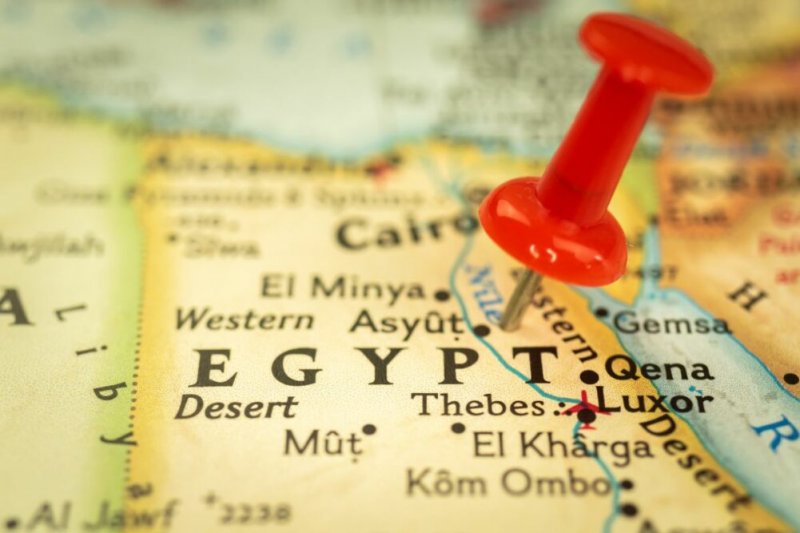
Egypt’s significance is largely defined by its geography. With a Mediterranean coastline, it serves as an economic and transportation hub linking North Africa and the Middle East to Europe. The Suez Canal remains a vital artery for global trade, while the Nile River sustains agriculture and hydroelectric power production. As Egypt pushes for economic modernization, it actively seeks foreign investments and technological partnerships to drive its ambitious development projects.
A prime example of Egypt’s modernization drive is the construction of a new administrative capital, aimed at alleviating Cairo’s overcrowding. With a population of approximately 100 million—22 million of whom reside in Cairo—the country is relocating government institutions, the presidential office, the Central Bank, and foreign embassies to a new city, 45 kilometers from the current capital. This new hub, expected to accommodate five million residents, includes The Octagon, the largest military complex in the Middle East and one of the most significant in the world. The entire project is estimated to cost $60 billion.
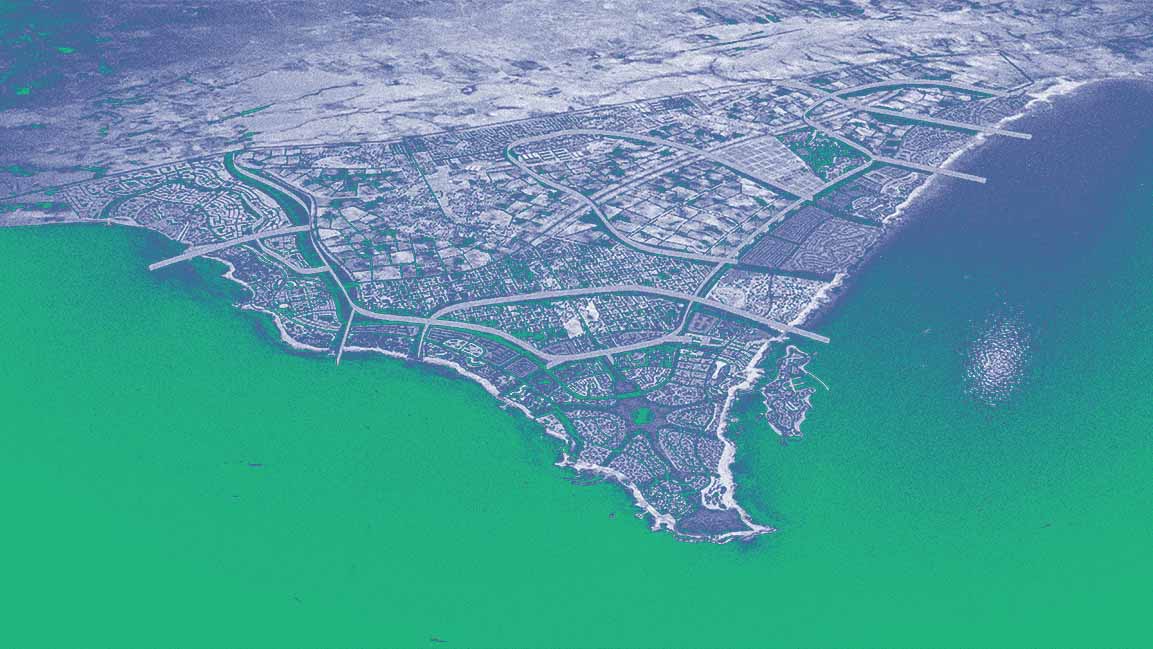
Unsurprisingly, the Gulf states, particularly the United Arab Emirates, are among Egypt’s key investors and partners. The UAE is Egypt’s leading economic and strategic ally, spearheading major projects such as the Ras El-Hekma resort city on the Mediterranean coast.
Source: Egypt news
Under a recently signed agreement, the UAE will invest $35 billion in developing Ras El-Hekma, including an international airport, luxury hotels, infrastructure, and recreational parks. Of this, $25 billion is allocated for land acquisition, while $11 billion will go toward construction. Once operational, the project is expected to generate $150 billion in revenue over several years—a critical boost for Egypt, given its mounting foreign debt. Since President Abdel Fattah el-Sisi took office in 2014, Egypt’s foreign debt has quadrupled to $164 billion, with $32 billion due for repayment in 2024 alone.
Amidst this dynamic landscape, Russia remains an active player in Egypt’s economy and tourism sector. Russian tourists are Egypt’s second-largest visitor group after Germans, contributing approximately $6.6 billion to the Egyptian economy in the first half of 2024 alone.
For years, discussions have centered on establishing a Russian industrial and economic zone near the Suez Canal. However, despite ongoing negotiations, the agreement remains unsigned. While Egypt is a BRICS member and maintains friendly ties with Russia, Western sanctions and pressure from the U.S. and Europe have made Cairo cautious in advancing large-scale economic partnerships with Moscow. Nevertheless, Russia remains one of Egypt’s largest grain suppliers, ensuring vital food security for the country.
Russia has also allocated 318 university scholarships for Egyptian students in 2025 and is constructing Egypt’s first nuclear power plant, El Dabaa. The contract, signed in 2017, anticipates project completion by 2028.
However, when it comes to strategic economic and technological collaborations, Egypt increasingly looks elsewhere. While Russia is a major player in the global oil and gas industry, Egypt’s recent agreement to liquefy natural gas for export to Europe was signed not with Russia, but with France’s TotalEnergies and Italy’s ENI.
Source: Reiters
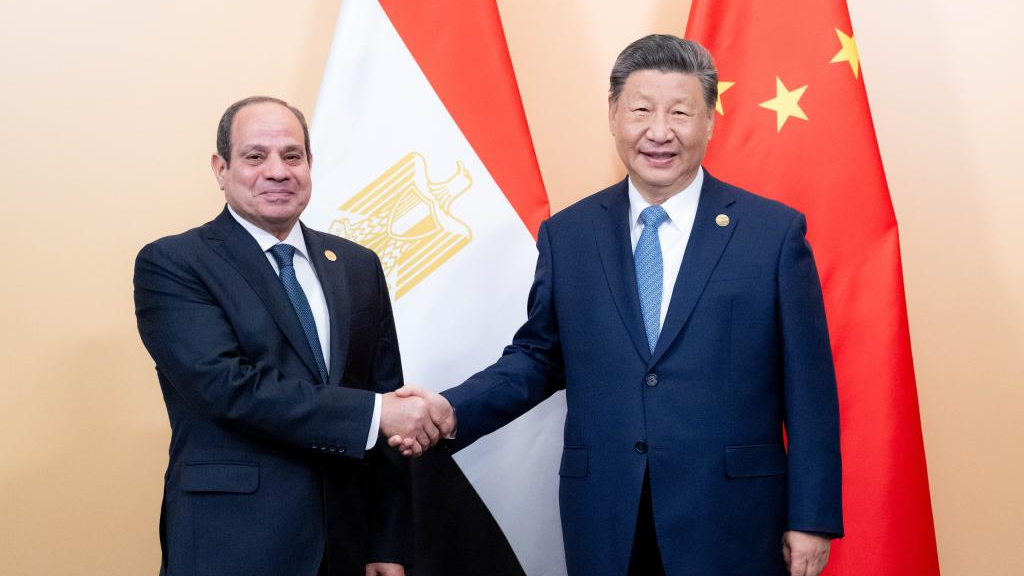
Similarly, in the field of space exploration, Egypt has chosen China over Russia as its primary partner. Egypt has joined China’s International Lunar Research Station project and signed a Memorandum of Understanding on peaceful space exploration. China has also funded, developed, and launched Egypt’s Misrsat-2 satellite in 2024, which was assembled at the Cairo Assembly, Testing, and Integration Center—built with Chinese assistance in 2019.
While historical ties and political friendship remain important, financial commitments ultimately determine Egypt’s key partners. The countries that invest the most become the closest allies. Today, Egypt is a strategic focal point for global powers, but when it comes to economic and technological cooperation, it prioritizes partnerships with the UAE, the U.S., the European Union, and China. Despite its deep historical connections with Egypt, Russia finds itself sidelined in many crucial sectors.
(If you possess specialized knowledge and wish to contribute, please reach out to us at opinions@news.az).


Similar news