Why Iran is still standing despite relentless pressure


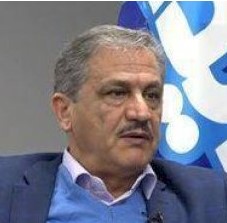
Editor’s note: Dr. Afshar Soleymani is a former Iranian ambassador to Azerbaijan, as well as an analyst and researcher in political and international relations. The views expressed in this article are those of the author and do not necessarily reflect the position of News.Az.
The current escalation surrounding Iran reflects, above all, a deeper crisis in the international system, where power increasingly overrides principle. The Israeli regime, as many observers argue, appears to operate with limited regard for international law, established norms, or humanitarian considerations. In parallel, Donald Trump’s rhetoric and political positioning have often reinforced this perception, suggesting that legal frameworks and multilateral constraints are secondary to strategic objectives. Within this context, the steady erosion of human rights standards is not incidental but structural.
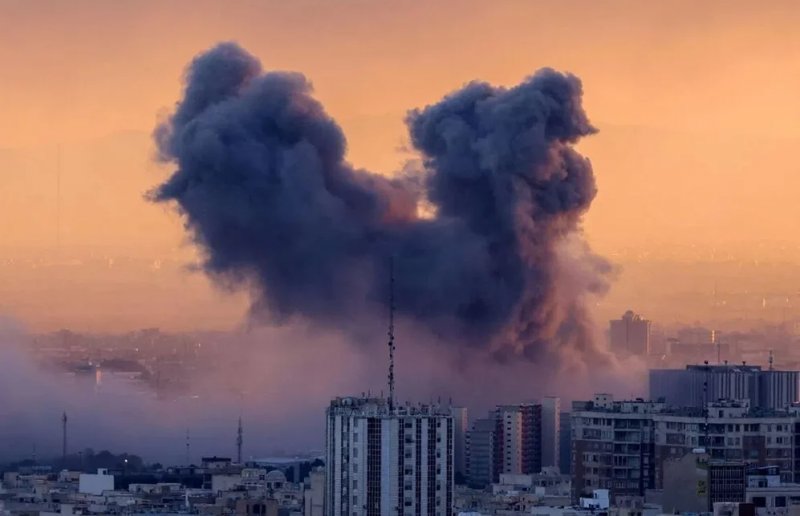
At the core of these developments lies a clear objective: to exert maximum pressure on Iran and compel it to submit. The pattern of actions, including recent strikes on facilities linked to the South Pars gas project, aligns with a broader strategy aimed at weakening Iran both economically and militarily. While there have been claims that the United States provided implicit or explicit approval for such operations, Trump’s subsequent denial of prior knowledge highlights a recurring ambiguity that defines much of the current policy environment. This ambiguity itself is strategic, allowing room for both escalation and deniability.
Yet, despite the intensity of these operations, it is increasingly evident that their primary objectives have not been achieved. The central claims used to justify pressure on Iran, particularly regarding its nuclear program, remain inconclusive. No definitive evidence has been presented confirming the existence of an active nuclear weapons development effort. Likewise, attempts to curb Iran’s missile capabilities have yielded limited tangible results. In practical terms, the strikes have inflicted damage, but they have not fundamentally altered Iran’s strategic posture.
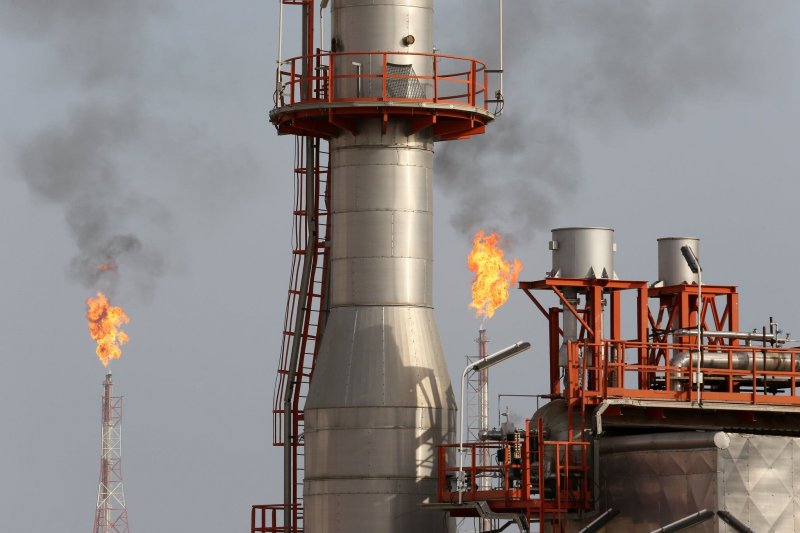
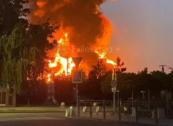
Instead, what is observable is a sustained effort to degrade Iran’s infrastructure, disrupt its economy, and create internal instability. This includes targeting not only military-related assets but also economic nodes such as trade and customs facilities. The attack on Bandar-e Anzali is a particularly illustrative case. As a port primarily associated with commercial activity rather than a direct military threat, its targeting raises legitimate questions about intent. Such actions suggest that psychological pressure and economic disruption are as central to the strategy as conventional military objectives.
However, this approach appears to underestimate Iran’s capacity for resilience. Historically, Iran has demonstrated a consistent ability to regenerate its institutional and military capabilities. The targeting of key personnel, including scientists and military figures, does not necessarily result in long-term strategic paralysis. Replacement structures exist, and the state apparatus has repeatedly shown adaptability under pressure. Even in scenarios where Iran is temporarily weakened, its capacity for recovery remains significant.
The narrative surrounding Iran’s nuclear ambitions further complicates the situation. While Trump has repeatedly asserted that Iran seeks to develop nuclear weapons, official statements from Iranian institutions deny such intentions. Moreover, even within the United States, there are voices that question the accuracy of these claims. This divergence highlights a broader issue of information credibility. In an environment where political narratives often diverge from intelligence assessments, the line between strategic communication and misinformation becomes increasingly blurred.
At the same time, internal dynamics within the United States and Israel add further complexity. In the United States, segments of the population are increasingly critical of continued military involvement and the broader trajectory of foreign policy. Questions surrounding the consistency and reliability of Trump’s statements have also fueled political debate. Analyses suggesting discrepancies between his claims and observable realities contribute to growing skepticism. This, in turn, could translate into political pressure, potentially affecting electoral outcomes and policy continuity.
In Israel, there are also indications, though less openly discussed, of internal challenges and potential losses that may not be fully disclosed. This lack of transparency reinforces the perception that the situation on the ground is more complex than official narratives suggest. War, by its nature, produces both visible and hidden costs, and managing public perception becomes an integral part of the strategy.
From a purely military perspective, the imbalance between Iran and the United States is undeniable. However, in the absence of direct U.S. involvement, Iran’s capacity to resist Israel becomes more significant. In certain scenarios, Iran could even gain tactical advantages, particularly through asymmetric strategies. While weaknesses in areas such as air defense are acknowledged, they do not negate Iran’s broader strategic capabilities.
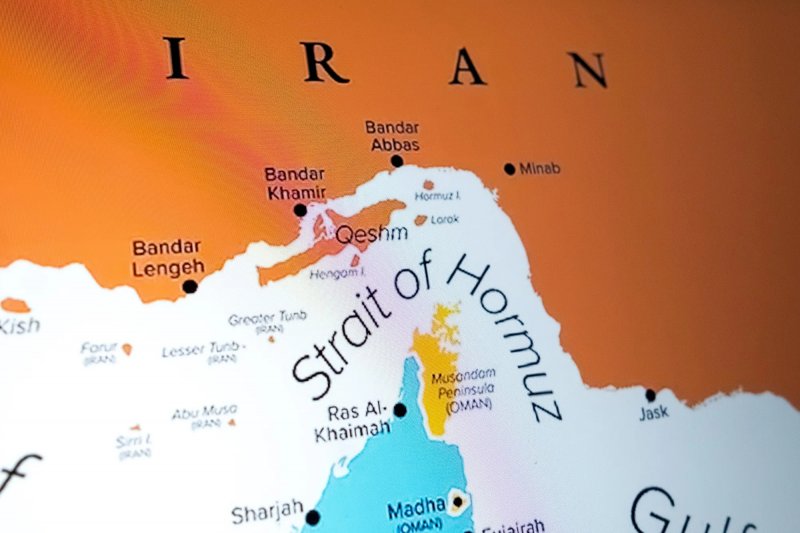
Beyond the immediate military dimension, the geopolitical and economic implications of this confrontation are profound. The Strait of Hormuz remains a critical chokepoint for global energy supplies, and any disruption carries significant risks for international markets. Rising oil prices, inflationary pressures, and increased volatility are already emerging as secondary effects of the conflict. These impacts extend far beyond the region, affecting economies worldwide.
The involvement of regional actors further complicates the landscape. While official positions often emphasize neutrality or limited engagement, there are indications that certain operations may involve logistical or strategic support from regional bases. This duality between public diplomacy and covert cooperation underscores the fluid and often contradictory nature of alliances in the Middle East. At the same time, differences between the declared and actual policies of some Arab states highlight the fragility of the regional balance.
Globally, major powers are navigating this situation with a mixture of caution and opportunism. Russia, for instance, appears to be leveraging the current environment to advance its own strategic interests. China, while exposed to energy risks, is simultaneously seeking to maintain stability and protect its economic position. Even the United States, despite its relatively lower dependence on Persian Gulf energy, benefits in certain respects through its role as an energy exporter and its influence over global markets.
In this sense, the conflict is not only a regional confrontation but also a reflection of broader systemic shifts. The international order is becoming increasingly fragmented, and traditional mechanisms of conflict resolution are losing effectiveness. The transformation of processes that once emphasized diplomacy into overt military confrontation illustrates the depth of this shift.
It is important to note that alternative pathways did exist. Diplomatic efforts, including talks mediated by Oman, had shown signs of progress. There were discussions on limiting uranium enrichment levels and placing nuclear activities under international supervision. Additionally, there were opportunities for economic cooperation, including potential investment in Iran’s energy sector and joint projects involving regional actors. Such arrangements could have created mutual benefits and reduced tensions.
However, these opportunities were not realized. The decision to prioritize pressure over engagement ultimately redirected the trajectory toward confrontation. The roots of this shift can be traced back to earlier policy decisions, particularly the U.S. withdrawal from the nuclear agreement during Trump’s presidency. That move significantly undermined trust and set the stage for the current escalation.
Looking ahead, the prospects for de-escalation remain uncertain but not impossible. A ceasefire scenario appears contingent on political will. If one side halts its attacks, there is a possibility that the other side may reciprocate. However, such outcomes would require a recalibration of priorities, placing stability above short-term strategic gains.
What is clear is that the consequences of this confrontation will be long-lasting. The effects will extend beyond the immediate region, influencing global economic trends, energy security, and the broader architecture of international relations. Within Iran, while the system is unlikely to undergo rapid transformation in the short term, external pressures may gradually shape internal dynamics.
Ultimately, this conflict marks more than a temporary crisis. It signals the emergence of a new phase in both regional and global politics. Regardless of how the war concludes, its impact will be enduring — reshaping alliances, redefining strategies, and altering the balance of power across multiple dimensions.
(If you possess specialized knowledge and wish to contribute, please reach out to us at opinions@news.az).


Similar news