The material was prepared with the financial support of the Media Development Agency of the Republic of Azerbaijan.
Inside Azerbaijan’s gender and demographic policies

Photo: Getty Images
Gender equality, family protection, and demographic development are key priorities in Azerbaijan’s social policy. Over the past decades, the government, international organizations, and civil society institutions have worked together to address gender-related challenges, strengthen family values, and promote sustainable demographic development.
Through legislation, state programs, international cooperation, and public awareness campaigns, Azerbaijan has sought to build a more inclusive society while supporting family stability and population growth, News.Az reports.
One of the main institutions responsible for gender and family policy in Azerbaijan is the State Committee for Family, Women and Children’s Affairs of the Republic of Azerbaijan.
The committee was established in 2006 by a presidential decree and serves as the central government body responsible for coordinating policies related to family welfare, women’s rights, and children’s protection.
It plays a central role in implementing national strategies that focus on:
- Promoting gender equality in social and economic life
- Strengthening family values and social cohesion
- Protecting children’s rights
- Preventing domestic violence
- Addressing demographic challenges
Through cooperation with ministries, local authorities, and international organizations, the committee also supports educational initiatives and public campaigns that encourage gender equality and responsible family relations.
Azerbaijan has adopted several laws that form the legal basis for gender equality and family protection. Among the most significant legislative acts are the Law on Gender (Men and Women) Equality, the Law on Prevention of Domestic Violence, and the Family Code of the Republic of Azerbaijan.
The Law on Gender Equality, adopted in 2006, guarantees equal rights and opportunities for men and women in political, economic, and social life.
The Law on Prevention of Domestic Violence, adopted in 2010, established legal mechanisms for preventing family violence, providing support services to victims, and defining the responsibilities of law enforcement agencies.
The Family Code, adopted in 1999, regulates family relations, including marriage, divorce, parental responsibilities, and child protection.
According to Azerbaijani legislation, the legal marriage age is 18 for both men and women, a regulation aimed at preventing early marriages and protecting young people’s rights.
To support gender equality and family development, the Azerbaijani government has introduced several national strategies and programs. These initiatives focus on increasing women’s participation in the labor market, promoting female entrepreneurship, supporting young families, strengthening social protection for mothers and children, and encouraging balanced demographic development.
Government social programs also include maternity benefits, childcare support, and financial assistance for families, all designed to improve living conditions and support population growth.
Demographic development plays an important role in shaping Azerbaijan’s social policies. According to data published by the State Statistical Committee of the Republic of Azerbaijan, the country’s population has continued to grow gradually in recent years.
As of 2025, Azerbaijan's population reached approximately 10.25 million people, reflecting steady demographic growth. Other key demographic indicators include:
- Population growth rate: about 0.3–0.6% annually
- Urban population: approximately 54%
- Rural population: approximately 46%
- Gender distribution: about 49.8% men and 50.2% women
Azerbaijan continues to experience moderate natural population growth, although the birth rate has gradually declined in recent years.
Fertility trends are an important indicator of demographic development. According to international demographic estimates, Azerbaijan’s total fertility rate is approximately 1.67 children per woman, which is below the replacement level of 2.1 but still relatively moderate compared with many European countries.
National statistics also show a gradual decline in the birth rate. For example, around 88,000 births were recorded during the first eleven months of 2025. The birth rate reached about 9.4 births per 1,000 people, slightly lower than in previous years.
These trends reflect broader demographic changes occurring across many countries, including delayed marriages, urbanization, and changing social priorities.
Marriage remains an important social institution in Azerbaijan. According to official data from the State Statistical Committee:
- 44,996 marriages were registered between January and November 2025.
- 18,832 divorces were recorded during the same period.
- The marriage rate was approximately 4.8 marriages per 1,000 people, while the divorce rate was about 2 per 1,000 people.
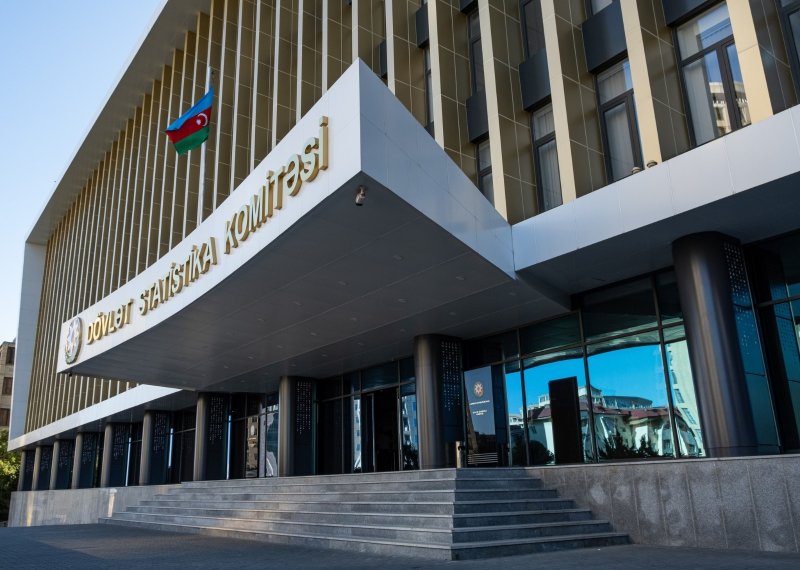
The State Statistical Committee
These statistics indicate that while marriage remains common, family structures are gradually changing in response to social and economic factors.
UN Women
International cooperation plays an important role in Azerbaijan’s efforts to address gender and demographic issues. The country works closely with several global institutions, including:
These organizations collaborate with Azerbaijani institutions on research projects, awareness campaigns, and policy reforms related to gender equality and demographic development.
The United Nations Population Fund has been working in Azerbaijan since 1994, supporting initiatives in reproductive health, demographic research, and family planning education. Programs supported by UNFPA aim to raise awareness about reproductive health, promote family planning education, prevent early and forced marriages, and analyze demographic trends. Through research and policy recommendations, these programs help policymakers better understand population dynamics.
Another important international partner is UN Women. Its projects in Azerbaijan focus on strengthening women’s participation in political decision-making, promoting female entrepreneurship, combating gender-based violence, and improving women’s access to education and employment. Many initiatives target rural communities, where women often face additional barriers to economic participation.
Preventing early marriage remains an important policy priority in Azerbaijan. Early marriages can negatively affect girls’ access to education, career opportunities, and health outcomes. To address this issue, government institutions, international organizations, and NGOs conduct:
- school awareness programs
- community training sessions
- educational campaigns in rural areas
- media campaigns promoting healthy family relationships.
Media organizations and civil society groups also contribute to raising awareness about gender equality and family welfare. Television channels, news platforms, and social media campaigns frequently address topics such as women’s achievements, family well-being, parenting and childcare, and social development programs. Meanwhile, NGOs provide services such as legal assistance for victims of domestic violence, psychological counseling, community education programs, and economic empowerment initiatives for women.
The promotion of gender equality, protection of family values, and monitoring of demographic development are central elements of Azerbaijan’s social policy. Through legislative reforms, national programs, and international cooperation, the country has taken significant steps toward strengthening family institutions and supporting women’s participation in society.
By investing in education, social protection, and gender-sensitive policies, Azerbaijan aims to create a more inclusive and balanced society while ensuring sustainable demographic development in the future.
(If you possess specialized knowledge and wish to contribute, please reach out to us at opinions@news.az).


Similar news