Moldova on the eve of presidential elections: Who will be the country’s new leader? - INTERVIEW


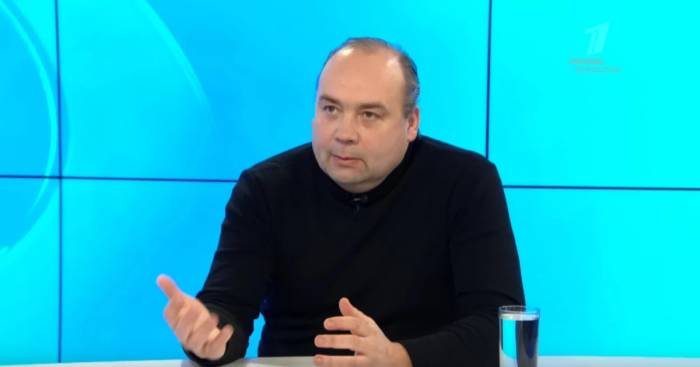
In an interview with News.Az, Moldovan political scientist and expert of the Russian International Affairs Council (RIAC), Cornel Ciurea, shared his views on the upcoming presidential elections in Moldova. During the conversation, he addressed key issues such as Maia Sandu's refusal to participate in debates with opposition candidates, the possibility of a second round, the growing popularity of Alexandr Stoianoglo, and the political mood in Moldovan society ahead of the elections. The interview sheds light on the deep processes taking place in the country's political arena and reflects the citizens' expectations of the future leader.
- What are the expectations of Moldovan society regarding the upcoming presidential elections?
- It is difficult to assess the mood of Moldovans, as there is a certain fear cultivated by the authorities within society. Citizens prefer not to speak out about politics, which does not mean they lack political preferences—they simply hide them, becoming part of the "silent majority." A definitive assessment of public sentiment will only be possible after the elections.
- Last week, incumbent President Maia Sandu refused to participate in debates with Alexandr Stoianoglo and Renato Usatîi. Why did she make this decision, and how was it perceived by society?
- Maia Sandu's refusal to participate in the debates was quite expected. The incumbent president does not want to risk facing opposition candidates who have numerous criticisms of her policies. However, this step will not significantly impact her rating, as the right-wing electorate supports her decision and does not see a need for these debates. The opposition, meanwhile, is viewed as outsiders. Therefore, debates in the first round are unlikely to significantly affect the election outcome, though they may become more relevant in the second round.
- The first round of the presidential elections will take place on October 20. How likely is it that an opposition candidate will make it to the second round?
- A second round of elections is quite possible, given the growing dissatisfaction with Maia Sandu's policies and the potential low turnout of the diaspora, which traditionally supports the incumbent president. Sociological polls do not give her a decisive advantage, suggesting the possibility of a second round. However, the authorities will use all available resources to avoid this. Whether they can succeed without large-scale fraud remains a big question.
- According to polls, Maia Sandu's closest challengers in the elections are Alexandr Stoianoglo and Renato Usatîi. What are the main differences between Sandu's platform and those of the opposition candidates?
- Maia Sandu's program is focused on European integration. She views joining the European Union as a guarantee of peace and stability for Moldova, drawing on the EU's experience of maintaining peace for 70 years. In contrast, Alexandr Stoianoglo and Renato Usatîi do not emphasize integration with the EU. Stoianoglo focuses on neutrality and stopping migration, while Usatîi proposes populist initiatives, such as transitioning to a presidential republic, creating a Wine City, and establishing a presidential fund to address the country's urgent problems.
- What is behind the rise in Alexandr Stoianoglo's ratings, and could he surpass Maia Sandu in the vote? What will it depend on?
- The rise in Stoianoglo's popularity is due to his forced resignation as Prosecutor General and the subsequent persecution by the authorities, which has drawn attention to him. However, his political experience is limited, and the ethnic factor (Stoianoglo is not of Moldovan ethnicity) also narrows his electoral base. At the same time, the lack of other opposition leaders, who have been targeted by the authorities, increases Stoianoglo's chances. He could consolidate the votes of socialists in the first round, and in the second, under favorable conditions, unite all opposition voters. His chances of winning in the second round cannot be called obvious, but they are significant enough.


Similar news