Trump breaks Biden's game: EU prepares for shocking changes


.png)
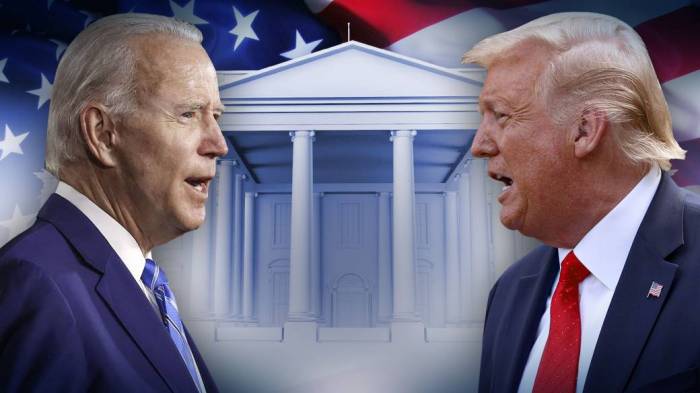
European Union officials are examining the sanctions imposed by U.S. President Joe Biden, worried that President-elect Donald Trump might rescind them and disrupt current foreign policy and trade dynamics. According to sources within the European Commission (EC), senior officials have been instructed to review Biden-era executive orders, encompassing sanctions on Russia as well as trade and cybersecurity measures, to determine which reversals could impact the EU or undermine its own initiatives the most.
The urgency, ahead of Trump’s January 20 inauguration, highlights Brussels’ mounting concerns over the incoming president’s potential policies —especially given his past criticisms of key U.S. allies. The EU hopes Trump will preserve the sanctions at least as a bargaining tool in any negotiations with Moscow over a possible ceasefire.
However, on January 10, 2025, with just days left in office, the Biden administration introduced its most extensive package of sanctions yet, targeting Russia’s oil and gas revenues. Analysts say the move was designed to provide both Kyiv and President-elect Trump with additional leverage in forging a peace deal in Ukraine.
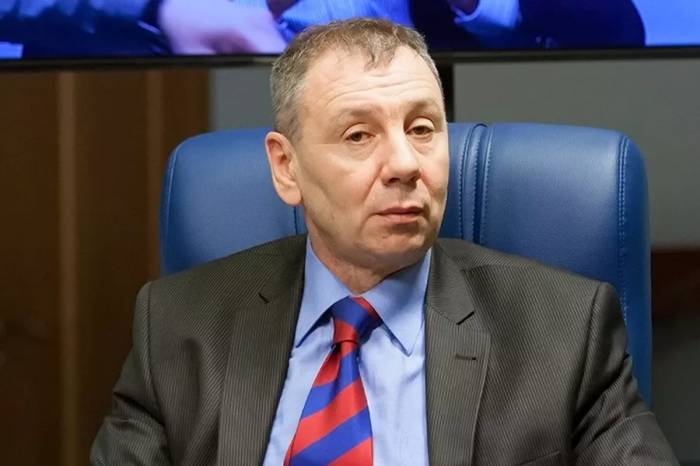
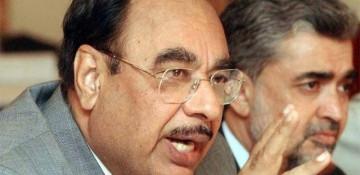
In an interview with the analytical portal News.az, Russian political analyst Sergey Markov discussed the likelihood that President-elect Trump would overturn Biden’s measures—and the possible consequences for the geopolitical landscape.
Markov believes Trump personally favors lifting sanctions on Russia but underscores that completely rolling them back would require cooperation from Congress:
“Trump will not be able to lift most sanctions because they are approved by Congress, and lifting them requires a decision from Congress. There is a Republican majority that supports Trump, but not all Republicans are pro-Trump—and not all of them support peace with Russia. For years, there has been what is called a bipartisan consensus in Washington, with both Republicans and Democrats mostly backing sanctions against Russia. At some point, Republicans began to see Ukraine as a financial opportunity as well, despite it being clear that Ukraine could not win the war. Imposing sanctions often comes at minimal direct cost for the U.S. and can even generate profit. Given this bipartisan anti-Russian consensus, and because sanctions are relatively beneficial for America, the likelihood that Trump will fail even to attempt to lift most sanctions is high.”
Markov also suggests that, if Trump does try to ease sanctions, he will do so strategically: “The partial lifting of sanctions would be something he ‘sells’ to Russia in exchange for concessions. He and many in American business believe China is the real long-term strategic rival, so they see forcing Russia into closer alignment with China as a mistake. Biden’s sanctions, in effect, integrated Russia’s economy more deeply with China’s, benefiting China with significant natural resources and military-industrial or nuclear technology.”
While Markov maintains that easing sanctions on Russia might benefit Trump geopolitically, he also notes deepening tensions between the United States and the EU: “Ongoing events in Ukraine could widen the rift between the U.S. and Europe. There is a strong possibility that Trump and Putin might reach a compromise over Ukraine—ensuring that Ukraine stays out of NATO and possibly rolling back measures such as political repression against the Orthodox Church, bans on political parties, media outlets, and the use of the Russian language. If this compromise is achieved, Trump might present it to Europe and Ukraine. If President Zelensky refuses, and Europe continues to side with Zelensky, Trump could then cut funding for the war, citing corruption in Kyiv and noting that Russia is supposedly ready for peace.”
This scenario, according to Markov, would place Europe in a difficult position, as it would be forced to shoulder the military and financial burden of supporting Ukraine alone. Facing its own economic headwinds, the EU’s backing for Kyiv would likely diminish, while Russia’s military could continue its campaign. By the end of the year, Markov says, Europe and Ukraine might feel pressured to accept a peace deal formulated by Moscow and Washington—potentially exacerbating the split between Brussels and a Trump-led White House.


Similar news