The material was prepared with the financial support of the Media Development Agency of the Republic of Azerbaijan.
Modernizing education and culture: Azerbaijan’s national initiatives

Photo: Getty Images
Scientific-popular, cultural-educational, and educational programs play a crucial role in the development of modern societies. These initiatives contribute to the dissemination of scientific knowledge, the preservation of cultural heritage, the improvement of education systems, and the enhancement of public awareness.
In Azerbaijan, the preparation and implementation of such programs have become an important component of state policy since the country regained its independence in 1991, News.Az reports.
The Azerbaijani government, together with international organizations and non-governmental institutions, has undertaken numerous initiatives aimed at strengthening education, promoting science, supporting cultural development, and expanding international cooperation. These initiatives not only foster national intellectual potential but also help integrate Azerbaijan into the global educational and cultural space.
RECOMMENDED STORIES
One of the most important areas of Azerbaijan’s policy is the modernization and development of the education system. The government has implemented several state programs aimed at improving the quality of education, expanding access to knowledge, and strengthening scientific research.
Among the key priorities of these programs are:
-
modernization of educational infrastructure
-
digitalization of learning processes
-
development of STEM education (science, technology, engineering, and mathematics)
-
promotion of innovation and research activities
-
improvement of teacher training systems
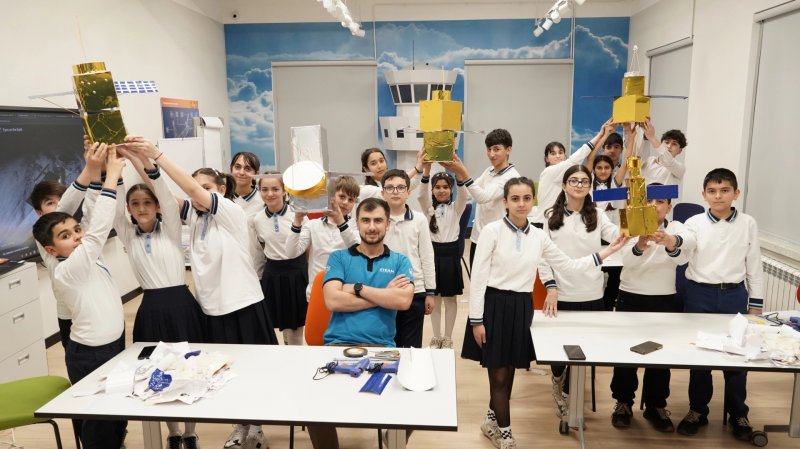
Photo: STEM Azerbaijan
In recent years, Azerbaijan has focused on integrating modern technologies into education. Schools and universities are increasingly using digital platforms, electronic textbooks, and online learning tools. This digital transformation helps improve both accessibility and efficiency in the educational process.
Another important initiative is the State Program on the Education of Azerbaijani Youth Abroad, which allows talented Azerbaijani students to pursue higher education at leading universities around the world. The program contributes to the development of highly qualified specialists who later bring international experience and knowledge back to Azerbaijan.
Scientific-popular programs are designed to bring scientific knowledge closer to society and encourage public interest in science and research. In Azerbaijan, scientific institutions, universities, and research centers regularly organize conferences, exhibitions, seminars, and public lectures.
The Azerbaijan National Academy of Sciences (ANAS) plays a central role in promoting scientific research and organizing academic events. Through its institutes and research centers, ANAS conducts fundamental and applied research in fields such as natural sciences, social sciences, the humanities, and technology.
Scientific festivals, educational competitions, and innovation forums are also organized to encourage young people to engage in scientific activities. These initiatives aim to foster a new generation of researchers and innovators who can contribute to the country’s scientific and technological progress.
Cultural-educational programs represent another significant aspect of Azerbaijan’s development strategy. These initiatives aim to preserve national traditions, promote cultural values, and increase cultural awareness among citizens.
Museums, libraries, theaters, and cultural centers serve as key platforms for organizing educational and cultural activities. Institutions such as the Heydar Aliyev Center, the National Museum of History of Azerbaijan, and the Azerbaijan Carpet Museum regularly host exhibitions, lectures, workshops, and educational projects.
The government also supports numerous cultural festivals and artistic events that highlight Azerbaijan’s rich cultural heritage. These programs help promote traditional arts such as mugham music, ashik art, carpet weaving, and national crafts.
In addition, many cultural institutions organize educational activities for students and young people, including guided museum tours, creative workshops, and cultural heritage programs.
Youth development is a central element of Azerbaijan’s cultural and educational policy. Various youth programs, forums, and educational camps are organized to enhance young people’s leadership skills, creativity, and social engagement.
The Ministry of Youth and Sports of the Republic of Azerbaijan implements several initiatives supporting youth participation in cultural, scientific, and educational activities. These include:
-
youth forums and leadership programs
-
international youth exchanges
-
volunteer programs
-
educational camps and summer schools
These initiatives aim to develop socially responsible, educated, and active young citizens who can contribute to the country’s long-term development.
In addition to government institutions, non-governmental organizations (NGOs) play an important role in implementing scientific-popular and cultural-educational programs.
Organizations such as the Azerbaijan Culture Friends Foundation support cultural projects, artistic initiatives, and educational activities. The foundation organizes concerts, exhibitions, publications, and cultural exchange programs that promote Azerbaijani culture internationally.
Another notable initiative is YARAT Contemporary Art Space, which provides educational programs related to modern art, creativity, and cultural studies. YARAT organizes lectures, training courses, and workshops for young artists, students, and researchers.
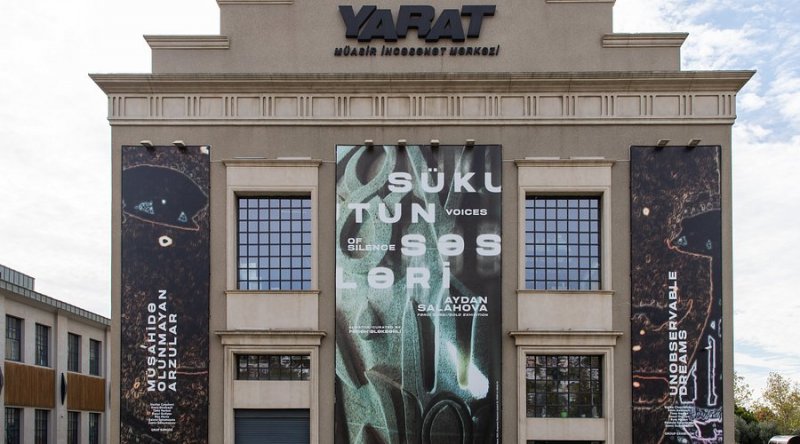
Image: Getty Images
Through such initiatives, NGOs help diversify educational opportunities and create platforms for creative and intellectual engagement.
International cooperation plays a vital role in the development of cultural and educational programs in Azerbaijan. One of the most significant partners in this field is the United Nations Educational, Scientific and Cultural Organization (UNESCO).
Since joining UNESCO in 1992, Azerbaijan has actively collaborated with the organization in areas such as:
-
preservation of cultural heritage
-
promotion of education and literacy
-
support for scientific research
-
development of cultural dialogue
Several elements of Azerbaijan’s intangible cultural heritage have been included in UNESCO’s Representative List of the Intangible Cultural Heritage of Humanity.
These include:
-
Mugham musical tradition
-
Ashik art
-
The traditional art of Azerbaijani carpet weaving
-
Novruz holiday traditions
-
Kelaghayi (traditional silk scarf) craftsmanship
-
Lahij copper craftsmanship
The inclusion of these traditions on UNESCO’s lists has helped increase global recognition of Azerbaijan’s cultural heritage and contributed to its preservation.
Azerbaijan has also launched important international initiatives aimed at promoting intercultural dialogue. One of the most notable examples is the Baku Process, an initiative introduced to encourage cooperation and understanding between different cultures and civilizations.
Within the framework of the Baku Process, Azerbaijan regularly hosts international forums and conferences that bring together political leaders, scholars, cultural figures, and representatives of international organizations.
One of the major events organized within this initiative is the World Forum on Intercultural Dialogue, which addresses issues such as cultural diversity, tolerance, and global cooperation.
These international platforms strengthen Azerbaijan’s role as a bridge between Eastern and Western cultures.
Azerbaijan has also expanded its participation in global academic exchange programs. Cooperation agreements have been signed with numerous universities and research institutions around the world.
International scholarship programs allow foreign students to study in Azerbaijan, while Azerbaijani students and researchers gain access to education and research opportunities abroad. These academic exchanges contribute to the development of international academic networks and facilitate the exchange of knowledge and experience.
Azerbaijan regularly hosts international cultural festivals, scientific conferences, and educational exhibitions. These events create opportunities for knowledge sharing, cultural exchange, and academic cooperation.
Among the most notable events are:
-
international book fairs
-
cultural heritage festivals
-
scientific symposiums and conferences
-
art biennials and exhibitions
These activities promote Azerbaijan’s cultural and scientific achievements and strengthen the country’s global cultural presence.
The preparation and implementation of scientific-popular, cultural-educational, and educational programs represent a key component of Azerbaijan’s national development strategy. Through comprehensive state programs, international partnerships, and the active participation of civil society, Azerbaijan continues to strengthen its education system, promote scientific knowledge, and preserve its rich cultural heritage.
These initiatives contribute not only to the intellectual and cultural development of society but also to the country’s integration into the global scientific and cultural community. By investing in education, science, and culture, Azerbaijan aims to build a knowledge-based society capable of addressing modern global challenges and achieving sustainable development.


Similar news