US troop withdrawal from Niger: What's next for American influence?


By News.Az
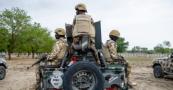
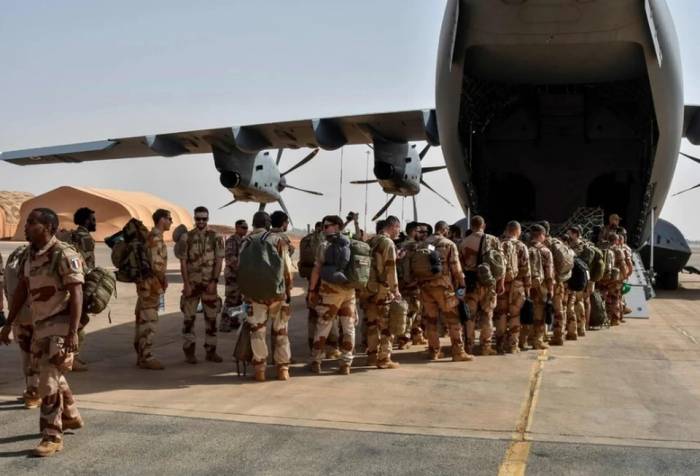
The United States military has officially transferred control of its last base in Niger to local forces, marking the end of a longstanding mission aimed at combating terrorism in the West African nation. As reported by News.Az, citing The New York Times, a contingent of U.S. troops boarded an Air Force cargo plane and departed from the $110 million airbase located in central Niger. This move comes as part of an agreement by Washington to withdraw approximately 1,000 military personnel by September 15. A small number of troops will remain at the U.S. embassy for a brief period to complete administrative tasks."The withdrawal of U.S. forces and assets from Air Base 201 in Agadez is complete," the Pentagon's Africa Command stated in a press release.
The once-strong relationship between the United States and Niger has deteriorated since last year's military coup, which overthrew the civilian-led government and prompted demands for American forces to leave the country. Similarly, military juntas in Mali and Burkina Faso have urged both U.S. and French troops to exit their territories. As a result, American officials are now seeking new security partners in the coastal areas of West Africa.
However, these negotiations could take months or even longer, as groups affiliated with al-Qaeda and the Islamic State pose significant threats across vast regions of the Sahel. This semi-arid belt south of the Sahara has been the focal point of U.S. counterterrorism efforts.
"This significantly complicates the protection of U.S. security interests in the Sahel," said Air Force Major General Kenneth Ekman, a senior U.S. officer overseeing the troop withdrawal, last month. "The threats from ISIS and al-Qaeda in the region grow stronger every day."
The withdrawal marks a pivotal shift in U.S. strategy in the region, reflecting broader geopolitical changes and the challenges of maintaining stability amidst rising insurgencies. With the power vacuum left by departing forces, there is growing concern over how local governments will manage the escalating security threats.


Similar news