What we know about reports that US forces have stepped up strikes in Nigeria


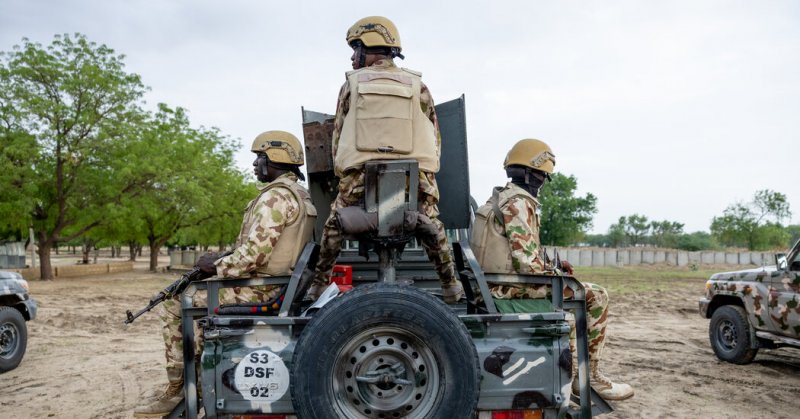
Reports that United States forces have intensified military strikes in Nigeria have drawn renewed attention to security challenges in West Africa and the growing international effort to combat extremist groups operating across the region.
The reported operations are part of a broader counterterrorism campaign targeting militants linked to the Islamic State and other armed groups that have carried out attacks in northeastern Nigeria for more than a decade, News.az reports.
The developments come at a time when governments across Africa are seeking new strategies to contain insurgencies, protect civilian populations and prevent extremist organizations from expanding their influence beyond existing conflict zones.
Here is a detailed look at what is known about the reported increase in military operations and why it matters.
What happened?
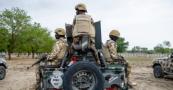
According to reports, US forces working alongside Nigerian security forces have increased military pressure on extremist groups through a series of coordinated operations.
The campaign reportedly involves intelligence sharing, surveillance activities and air strikes against militant positions in northeastern Nigeria, a region that has long served as a stronghold for insurgent organizations.
The operations are aimed at disrupting terrorist networks, destroying weapons stockpiles, targeting command structures and limiting the ability of militants to launch future attacks.
Officials describe the strikes as part of a joint effort designed to improve regional security and reduce the threat posed by extremist organizations.
Why is northeastern Nigeria important?
Northeastern Nigeria has been the center of insurgent violence for more than fifteen years.
The region includes remote areas with difficult terrain, porous borders and limited government presence in some locations. These conditions have allowed armed groups to establish camps, recruit fighters and conduct operations across national boundaries.
The area also borders Niger, Chad and Cameroon, creating opportunities for militants to move between countries and complicating military efforts to eliminate them completely.
Because of its strategic location, northeastern Nigeria remains one of the most important fronts in the fight against violent extremism in Africa.
Which groups are active in the region?
The primary organizations operating in northeastern Nigeria are Boko Haram and the Islamic State West Africa Province, commonly known as ISWAP.
Boko Haram emerged in the early 2000s and gained international attention after launching attacks against schools, security forces, government institutions and civilian communities.
Over time, internal divisions led to the formation of ISWAP, which pledged allegiance to the Islamic State and became a separate organization.
Although the two groups have occasionally fought each other, both continue to pose significant security threats in the region.
Their attacks have included bombings, kidnappings, ambushes and assaults on military installations.
Why is the United States involved?
The United States has supported counterterrorism operations in Africa for many years.
American involvement in Nigeria has generally focused on intelligence cooperation, military training, surveillance assistance and logistical support.
Washington views extremist organizations in West Africa as part of a broader global security challenge. US officials argue that helping partner nations combat terrorism can prevent armed groups from expanding, recruiting internationally and threatening regional stability.
The reported increase in strikes reflects growing concern about the resilience of extremist organizations despite years of military pressure.
American policymakers also see cooperation with African partners as an important element of international security strategy.
Are US troops fighting on the ground?
Publicly available information indicates that American involvement has traditionally emphasized support roles rather than large scale combat deployments.
Such support often includes intelligence gathering, reconnaissance missions, communications assistance and training programs designed to improve the effectiveness of local security forces.
Reports suggest that the recent operations involve a greater use of American strike capabilities in coordination with Nigerian authorities.
However, details regarding the exact number of personnel involved and the specific operational arrangements have not been fully disclosed.
What objectives are the strikes intended to achieve?
Counterterrorism strikes generally pursue several goals.
The first objective is eliminating senior militant leaders who direct operations and coordinate attacks.
The second objective is disrupting command and communication systems that enable armed groups to function effectively.
A third goal is destroying weapons depots, vehicles and supply routes used by insurgents.
Military planners also seek to reduce militants' ability to recruit new members, collect resources and control territory.
By targeting infrastructure and leadership simultaneously, security forces aim to weaken extremist organizations over the long term.
Have the strikes been successful?
Officials involved in the operations have reported significant militant casualties and the destruction of facilities used by extremist groups.
Military authorities have stated that several important commanders were killed and that numerous operational bases were destroyed.
However, assessing the effectiveness of such campaigns is often difficult.
Conflict zones can limit independent verification of casualty figures and battlefield reports.
In addition, insurgent organizations frequently adapt their tactics, relocate fighters and reorganize leadership structures after suffering losses.
As a result, short term military successes do not always translate into lasting strategic victories.
What impact have extremist groups had on Nigeria?
The insurgency has had devastating consequences for Nigeria.
Tens of thousands of people have been killed during years of conflict, while millions have been displaced from their homes.
Entire communities have been forced to relocate because of violence and insecurity.
The conflict has disrupted agriculture, trade, education and healthcare services across large areas.
Many villages have experienced repeated attacks, creating long term humanitarian challenges.
Children have faced interruptions in education, while local economies have suffered from insecurity and population displacement.
The social and economic costs of the conflict remain enormous.
How has Nigeria responded to the insurgency?
Nigeria has invested heavily in military operations aimed at defeating extremist organizations.
The government has deployed thousands of troops, conducted air operations and worked closely with neighboring countries to improve border security.
Regional cooperation has become increasingly important because militants frequently operate across national boundaries.
Nigeria has also pursued initiatives focused on community resilience, reconstruction and rehabilitation in areas affected by conflict.
Authorities argue that military action must be accompanied by development efforts to address underlying challenges that contribute to instability.
Why is West Africa becoming a major security concern?
Security analysts increasingly describe West Africa and the Sahel as one of the world's most active regions for extremist violence.
Several countries have experienced insurgencies, military coups, political instability and humanitarian crises over the past decade.
Militant organizations have exploited weak governance, poverty and limited state presence in remote areas to establish footholds.
The spread of insecurity across multiple countries has raised concerns among regional governments and international partners.
Many experts believe that developments in Nigeria have implications far beyond the country's borders.
Instability in one state can affect neighboring countries through refugee flows, cross border crime and militant movement.
Could increased military pressure eliminate extremist groups completely?
Most security experts believe military operations are necessary but not sufficient on their own.
While strikes can disrupt terrorist networks and reduce operational capabilities, long term stability often requires broader solutions.
Economic development, education, employment opportunities and effective governance are widely regarded as essential components of any lasting strategy.
Communities affected by violence frequently require reconstruction assistance and support for displaced populations.
Addressing grievances that militants exploit for recruitment is also considered important.
For this reason, governments and international organizations often combine security measures with humanitarian and development programs.
What are the risks associated with expanded military operations?
Counterterrorism campaigns can create challenges as well as opportunities.
One concern is the possibility of civilian casualties, which can undermine public confidence and fuel resentment if not carefully managed.
Military operations may also displace populations temporarily or disrupt local economic activity.
Another challenge involves maintaining intelligence accuracy in complex environments where distinguishing militants from civilians can be difficult.
Authorities therefore emphasize precision targeting and coordination with local partners to minimize unintended consequences.
Balancing security objectives with civilian protection remains a critical aspect of modern counterterrorism efforts.
How could the situation evolve in the coming months?
Several scenarios are possible.
If the operations significantly weaken militant leadership and infrastructure, security conditions in parts of northeastern Nigeria could improve.
Reduced militant activity could facilitate reconstruction projects, humanitarian assistance and the return of displaced residents.
However, insurgent groups have demonstrated resilience in the past and may attempt to regroup or shift operations to other locations.
The effectiveness of future efforts will likely depend on sustained cooperation between Nigeria, regional partners and international allies.
Continued investment in security, governance and economic development will also play an important role.
Why does this development matter?
The reported increase in US supported military operations highlights the continuing threat posed by extremist organizations in West Africa and the growing importance of the region in international security discussions.
The campaign reflects a broader recognition that instability in one part of the world can have consequences far beyond national borders.
For Nigeria, the stakes involve protecting civilians, restoring stability and supporting economic growth.
For the United States and other international partners, the effort represents part of a wider strategy aimed at preventing extremist groups from strengthening their influence and threatening regional security.
Whether the latest operations produce lasting results remains to be seen, but they underscore the continuing importance of counterterrorism cooperation in one of Africa's most strategically significant regions.
By Faig Mahmudov


Similar news