Uzbek gold mining giant issues $1 billion Eurobonds — What’s behind it?


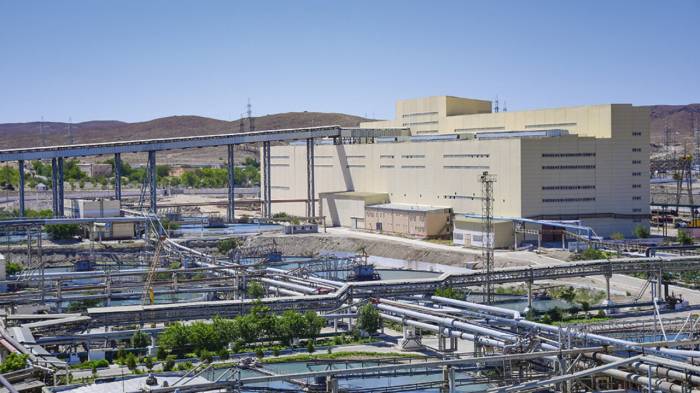
The Navoi Mining and Metallurgical Combinat (NGMK) has made a significant step onto the global stage by issuing its first-ever eurobonds worth $1 billion .
This is not only a major event for the company itself but also a milestone for Uzbekistan's economy. It stands as one of the largest corporate bond issuances in the CIS region in recent years and the biggest in the history of the country after the sovereign bond issuance.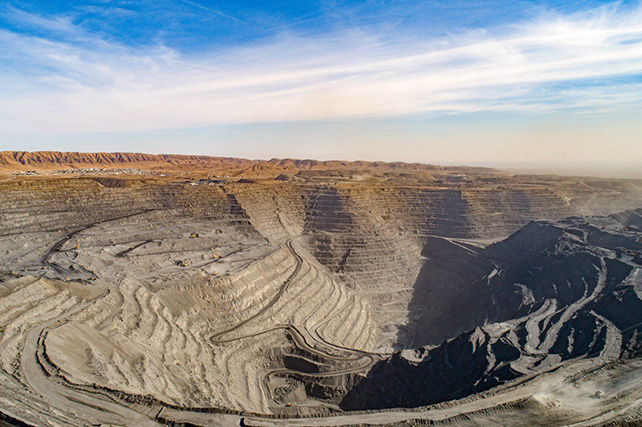
Why issue Eurobonds?
NGMK isn't raising this billion for a shopping spree; it's got serious plans. The primary goal for these funds is to finance capital expenditure programs, which include expanding mines, developing new mineral reserves, and introducing digital technologies. In simple terms, the company is laying a solid foundation for future growth amidst global competition.
But that's not all. The company also aims to use the funds to repay existing debt, including early repayment. Why is this significant? Borrowing on more favorable terms allows NGMK to reduce its debt burden, improve financial performance, and maintain stable liquidity. Refinancing is a long game, where, by borrowing at 6.7% and 6.95% interest rates, NGMK hopes to lower future costs of servicing older debts.
A strategic move or a necessity?
Some analysts may take a skeptical view, arguing that the bond market could have offered better conditions to issuers with higher ratings than NGMK's “BB+.” However, this isn't just about "shuffling debt"; it's more about the company's opportunity to set a benchmark for future bond issuances on international markets. It’s about building a reputation among global investors—a currency that, in today’s world, can be more valuable than money itself.
Investor interest: Hype or real opportunity?
Investor interest was impressive—the total book of orders reached $5.5 billion, oversubscribing the bond issue by 5.5 times. For financial skeptics, this sends a clear signal: the market sees NGMK as a reliable and promising borrower despite certain risks. It’s worth noting that in July of this year, the company received its first-ever credit ratings: BB+ from S&P and BB from Fitch. For context, these ratings are above the country’s sovereign rating, which indicates the company's stability relative to the state in which it operates.
Despite strong investor interest, NGMK still faces significant challenges. Its dependency on water resources, which are not unlimited, and reliance on a single mineral deposit pose potential risks in the long term. Finding alternative sources of raw materials will likely become crucial for its future sustainability.
Contribution to the economy and NGMK's future
All of this comes at a time when NGMK is pursuing ambitious goals to increase gold production and modernize its operations. In the first half of 2023, the company's profits grew by 14%, reaching $882 million, while revenues surged by 21%, demonstrating its resilience in the face of global economic instability.
This eurobond issuance is not just a significant financial move but also a signal that NGMK is serious about its international ambitions and strengthening its presence in the global market. This loan isn’t just a way to cover current expenses; it’s part of a broader strategy to transform NGMK into a truly global player.
Still, one big question remains: Will NGMK face the same problems as other CIS companies that, after securing large loans, struggled to repay due to unfavorable market conditions or internal challenges? Time will tell. For now, though, the company appears confident and ready to face future challenges head-on.


Similar news