What Russia stands to lose from the Middle East war


The war involving the United States, Israel, and Iran has delivered a significant shock to the global economy. Its consequences are being felt far beyond the immediate conflict zone, affecting not only the directly involved parties but also countries geographically distant from the region. Middle Eastern states and Iran’s partners are experiencing particularly severe repercussions.
The effective closure of the Strait of Hormuz has triggered major supply disruptions, forcing Persian Gulf countries to scale back oil production due to export constraints. Oil output in the United Arab Emirates has dropped by more than 50 percent, while Iraq has seen a decline of around 60 percent. Overall losses among Gulf oil companies have exceeded $15 billion, with Saudi Arabia alone reportedly losing about $4.5 billion in profits.
At the same time, global fertilizer exports have fallen by approximately 50 percent. Coming just ahead of the planting season, this sharp reduction is expected to undermine food security and could contribute to a broader food crisis across the Eurasian continent.
RECOMMENDED STORIES
At first glance, Russia appears to be in a relatively advantageous position. The country possesses vast hydrocarbon reserves and already accounts for roughly 20 percent of the global fertilizer market, with the potential to expand its share. This has led some observers to suggest that Moscow may benefit from the crisis. However, the reality is more complex: the conflict in the Middle East is also inflicting serious damage on Russia’s strategic and economic interests. When Moscow and Tehran initiated joint projects, they anticipated a degree of instability, but the current escalation has gone far beyond even the most pessimistic expectations.
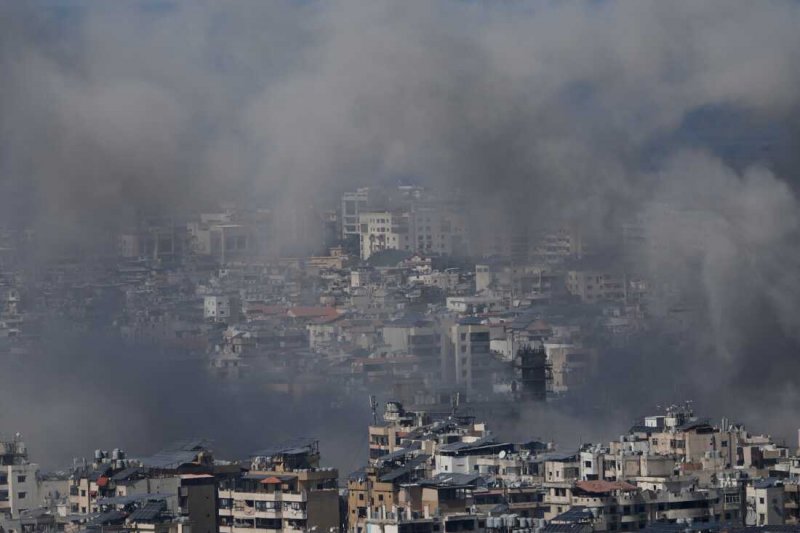
International Atomic Energy Agency (IAEA) Director General Rafael Grossi noted in an interview with Kommersant that, amid the military escalation around Iran, the primary concern is ensuring the safety of the Bushehr nuclear power plant. Meanwhile, Rosatom CEO Alexey Likhachev has stated that the corporation does not plan to halt construction of new power units at the facility. According to Russian media reports, Likhachev acknowledged that Russia temporarily lost contact with Iran’s nuclear industry leadership following the strikes, although communication with the Bushehr plant itself has been maintained.
 Source: AP
Despite Rosatom’s intention to proceed, experts question the future of Russia’s nuclear cooperation with Iran. Moscow has already allocated around $5 billion to the Bushehr project, but there are growing doubts about Iran’s financial stability in the aftermath of the conflict. Plans for a second nuclear power plant in Hormoz, estimated to cost $25 billion, now appear highly unlikely. Even if active hostilities subside, long-term concerns over security and stability will persist, making it difficult for Tehran to provide reliable guarantees to its partners.
Analysts are also considering the possibility of regime change in Iran, which could redirect the country’s strategic orientation and potentially result in significant losses for Russian investments.
Another major initiative at risk is the proposed Russia–Iran gas pipeline, which would pass through Azerbaijan. In 2025, the parties agreed on the route and finalised pricing discussions. The project was intended to offset Russia’s losses from reduced gas exports to Europe.
The planned route — Mozdok–Makhachkala–Kazi-Magomed (Azerbaijan)–Astara (Iran) — was designed to initially transport about 2 billion cubic meters of gas annually, with capacity to expand to 55 billion cubic meters over time. The pipeline was expected to strengthen energy cooperation within the North-South Corridor, enabling Russia to redirect gas supplies to Iran while helping Tehran establish a regional gas hub. Existing infrastructure connecting Russia, Azerbaijan, and Iran was seen as allowing for a relatively quick launch, potentially even through reverse flows via the Baku–Astara pipeline.
However, the project’s estimated $40 billion cost, most of which was expected to be covered by Russia, now raises serious questions. Iran’s ability to contribute financially is uncertain under current conditions. Even if construction proceeds, ongoing instability in the region means such infrastructure would remain vulnerable to attacks from Iran’s adversaries. Recent events have already demonstrated Tehran’s limited capacity to fully protect its oil and gas facilities.
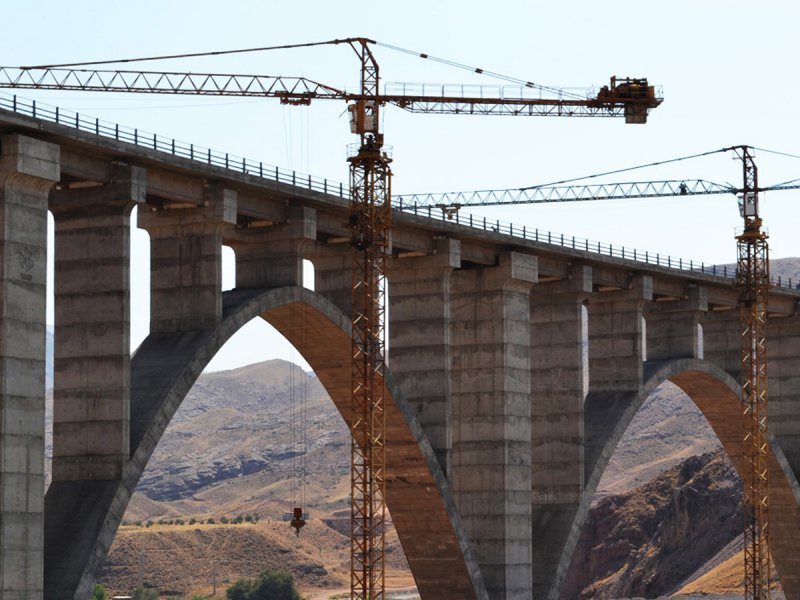
Transport and logistics projects, which are critically important for sanction-hit Russia, are also under threat. Following the 19th meeting of the Russian–Iranian Commission on Trade and Economic Cooperation in Tehran in February, both sides signed a package of bilateral agreements. Among them was the long-anticipated Rasht–Astara railway project, with construction scheduled to begin on April 1 after final approvals.
Russian Energy Minister Sergei Tsivilev stated that nearly all outstanding issues, ranging from land registration to regulatory benefits, had been resolved, and that the final agreement would be formalised during Russia’s transport week. However, the current escalation has cast serious doubt on whether construction can begin as planned.
 Source: Getty Images
The Rasht–Astara railway represents a key missing link in the North–South transport corridor. Azerbaijan, along with other stakeholders, has long awaited its completion. Although Iran had previously resisted Azerbaijani investment, Russia ultimately agreed to finance the 162-kilometre segment after prolonged negotiations. Work was expected to start this spring, but the outbreak of war has significantly reduced the corridor’s economic attractiveness due to heightened risks.
Russian analysts also warn that the United States could attempt to obstruct the project, given its competition with Western-backed transport routes.
Industrial cooperation has also been affected. Russia had planned to launch Lada car production in Iran in 2026, with assembly operations to take place at the Pars Khodro plant in Tehran. The broader strategy aimed to expand the LADA brand’s presence in the Iranian market. Under current conditions, however, these plans have been indefinitely postponed.
In today’s highly interconnected world, large-scale conflicts no longer generate clear economic winners. Instead, they produce widespread disruptions that ripple across global markets and supply chains. Even countries not directly involved in the fighting are inevitably affected. The ongoing war in the Middle East underscores a fundamental reality: in an era of deep economic interdependence, no nation can remain insulated from the consequences of major geopolitical crises.
By Tural Heybatov


Similar news