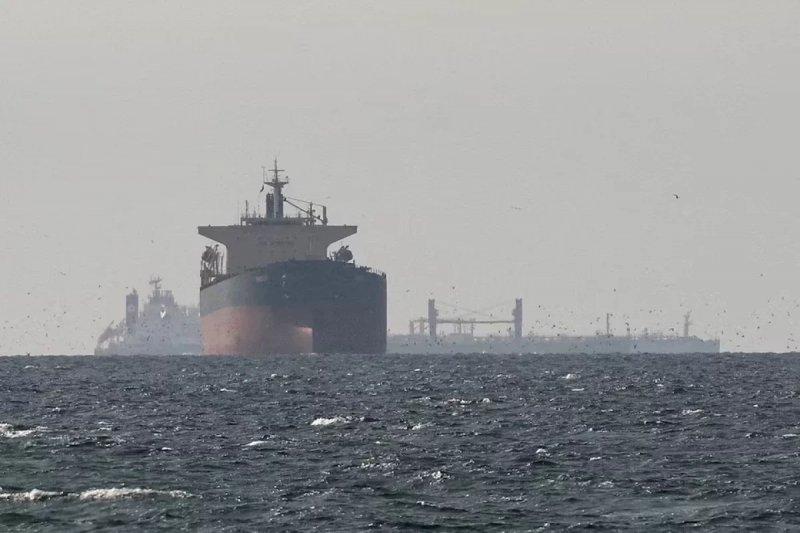
Japanese energy company ENEOS recently purchased 283,000 barrels of Azerbaijani crude oil, with the shipment arriving in Japan on May 12 for delivery to the Negishi refinery near Tokyo, News.Az reports.
The move reflects Tokyo’s broader strategy to diversify energy supply routes and reduce dependence on Middle Eastern oil exports during a period of heightened geopolitical instability in the region.
Why is the Strait of Hormuz so important for global oil markets?
The Strait of Hormuz is considered one of the world’s most strategically important maritime chokepoints for energy transportation. A significant share of global crude oil and liquefied natural gas exports passes through the narrow waterway connecting the Persian Gulf to international shipping lanes.
Any disruption caused by military conflict, political tensions, or security threats in the region can affect oil prices, shipping costs, and global energy supply chains. For countries heavily dependent on imported energy, such as Japan, instability around the Strait of Hormuz creates serious economic and industrial risks.
Why is Japan concerned about energy security?
Japan imports nearly all of its crude oil and natural gas requirements because the country has limited domestic energy resources. Oil remains essential for transportation, electricity generation, petrochemical production, and industrial activity.
Japan consumes around 3 million barrels of oil per day, making uninterrupted imports critical for maintaining economic stability. Any prolonged disruption to shipping routes from the Middle East could impact fuel availability, industrial production, and consumer prices across the country.
As a result, the Japanese government has intensified efforts to secure diversified and reliable energy supplies from multiple regions.
Why did Japan choose Azerbaijani oil?
Azerbaijan has become increasingly important as an alternative energy supplier due to its strategic geographic position and established oil export infrastructure linking the Caspian region to global markets.
Azerbaijani crude oil is exported mainly through pipelines and shipping routes that avoid direct dependence on the Strait of Hormuz. This makes Azerbaijani energy resources attractive for countries seeking to reduce exposure to geopolitical risks in the Middle East.
The recent shipment to Japan is reportedly the first delivery of Azerbaijani crude since tensions escalated in the Middle East conflict, signaling renewed interest in Caspian energy supplies.
How important is the Middle East for Japan’s oil imports?
The Middle East has historically been Japan’s dominant source of crude oil imports. Countries such as Saudi Arabia, the United Arab Emirates, Kuwait, and Qatar have supplied the majority of feedstock for Japanese refineries for decades.
Because of this heavy reliance, instability in the region directly affects Japan’s energy planning and economic outlook. The current tensions have prompted Japanese authorities and energy companies to explore more diversified sourcing strategies involving suppliers outside the Gulf region.
Is Japan only increasing imports from Azerbaijan?
No. Reports indicate that Japan is also considering expanding imports from the United States and Russia alongside Azerbaijan as part of a broader diversification strategy.
The goal is to create a more balanced portfolio of suppliers so that disruptions affecting one region do not severely threaten the country’s energy security. Diversification also strengthens Japan’s negotiating position in international energy markets and helps reduce dependence on any single supply route.
Does Japan have emergency oil reserves?
Yes. Japan maintains one of the world’s largest strategic emergency oil reserve systems. The reserves include both government controlled stockpiles and privately held petroleum inventories maintained by energy companies.
Combined reserves of crude oil and petroleum products are generally sufficient to cover several months of domestic demand in the event of supply disruptions. These reserves are designed to protect the economy during crises involving wars, natural disasters, or disruptions to international shipping.
Why are concerns still growing despite these reserves?
Although Japan’s emergency reserves provide short term protection, policymakers remain concerned about the long term stability of imports if tensions in the Middle East continue or worsen.
Strategic reserves are not intended to permanently replace regular commercial imports. If supply disruptions persist for extended periods, Japan could face higher energy costs, increased inflation, and pressure on industrial production.
This is why securing alternative supply routes and strengthening partnerships with non Middle Eastern energy producers has become increasingly important for Tokyo.
Could this affect global oil prices?
Yes. Rising geopolitical tensions around key energy shipping routes often increase volatility in global oil markets. Traders closely monitor developments involving the Strait of Hormuz because disruptions can reduce available supply and raise transportation risks.
If more countries begin competing for alternative crude oil sources outside the Middle East, global demand for non Gulf oil producers could rise, potentially influencing international oil prices and trade patterns.
What does this mean for Azerbaijan?
The shipment highlights Azerbaijan’s growing role as a strategic energy supplier beyond its traditional export markets in Europe and neighboring regions.
Expanding exports to Asian markets such as Japan could strengthen Azerbaijan’s position in global energy trade and create new opportunities for long term energy partnerships. Increased international demand for Azerbaijani crude may also boost the country’s geopolitical importance during periods of global energy uncertainty.