Cholera epidemic in Sudan: New challenges for the country amid floods


By News.Az
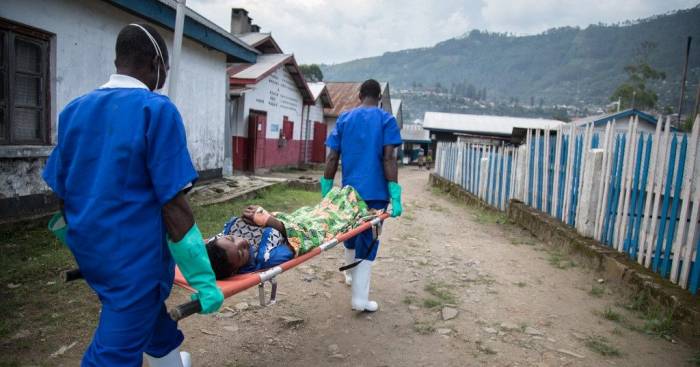
Sudan has recently been hit by one of the most severe cholera epidemics, claiming the lives of nearly two dozen people and affecting the health of hundreds more. Amid ongoing armed conflict and deteriorating living conditions caused by natural disasters, the situation in the country is becoming increasingly critical. The cholera epidemic has become another blow to the already suffering population, and the current circumstances demand immediate action at all levels—from local authorities to the international community.
Sudan's Minister of Health, Haitham Mohamed Ibrahim, confirmed that at least 22 people have died from cholera so far, with the number of confirmed cases reaching 354. According to the minister, the main factors contributing to the outbreak are adverse weather conditions and the contamination of drinking water. This has created conditions under which the disease has rapidly spread across various regions of the country, putting the health and lives of thousands at risk.The decision to declare a cholera epidemic was made in close cooperation with the authorities of the eastern state of Kassala, United Nations agencies, and international experts. The public health laboratory identified the cholera virus, confirming concerns about the scale of the problem. The Ministry of Health has declared a state of emergency, focusing efforts on preventing the further spread of the infection.
The situation is further complicated by reports from the World Health Organization (WHO) suggesting that the actual number of cases could be significantly higher. WHO spokesperson Margaret Harris stated that 11,327 cholera cases have been recorded, with 316 resulting in death. The WHO also expressed concerns that the actual figures could be even more alarming, as not all cases are being properly reported due to the complex situation in the country.
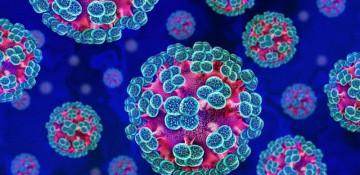
Cholera is a fast-developing and highly contagious infection that causes severe diarrhea, leading to dehydration and possible death within hours if left untreated. The disease is transmitted through the consumption of contaminated food or water, making access to clean drinking water a critical factor in combating the epidemic. Children under the age of five are particularly vulnerable to the infection, raising additional concerns for the future of an entire generation.
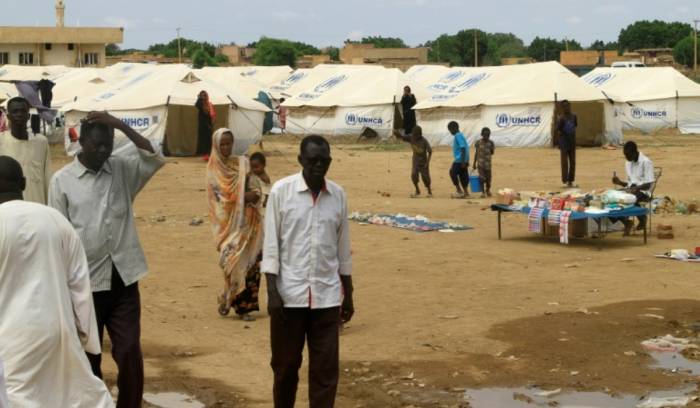
Cholera epidemics are not new to Sudan. In 2017, a major outbreak of this infection led to the death of at least 700 people and infected about 22,000 within just a few weeks. However, the current situation is complicated by the fact that the cholera outbreak is occurring against the backdrop of devastating floods, which are further exacerbating the humanitarian situation in the country.
In recent weeks, seasonal floods have brought even more suffering to the Sudanese people. According to local authorities, dozens of people have died, and critical infrastructure has been virtually destroyed in 12 of the country's 18 provinces. Floods have washed away roads, bridges, and power lines, making it difficult to deliver humanitarian aid and medical supplies to affected areas. According to the International Organization for Migration, about 118,000 people have been displaced by the floods, further worsening the already dire humanitarian situation.
The cholera epidemic, compounded by the devastating floods, creates an extremely dangerous environment, threatening the lives of thousands. Sudan faces serious challenges that require immediate and decisive action. The international community must step up its efforts to provide humanitarian aid, including clean water, medicine, and food supplies. Access to medical care must also be ensured to prevent the further spread of the disease and save the lives of those already infected.
Amid ongoing conflicts, natural disasters, and a worsening economic situation, Sudan needs comprehensive support to prevent further deterioration of the humanitarian situation. Only coordinated efforts by local authorities, international organizations, and volunteer groups can help overcome this epidemic and prevent further tragedies. Now, more than ever, it is crucial to unite forces and resources to save thousands of lives and restore a country that is suffering from numerous calamities.


Similar news