Cocaine pollution in waterways causes salmon to swim farther and act bolder


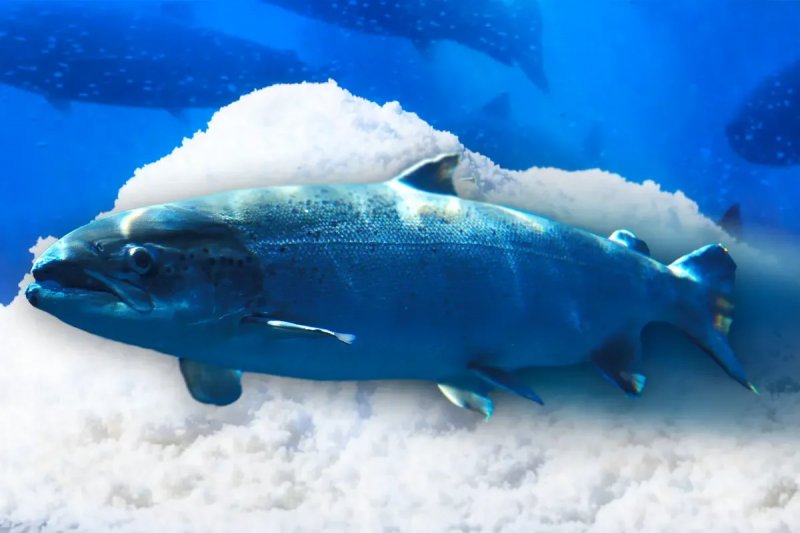
An international study published on April 20, 2026, in Current Biology has revealed that cocaine contamination in natural lakes and rivers is significantly altering the behavior of Atlantic salmon.
Researchers from Sweden, Australia, and the UK found that juvenile salmon exposed to environmentally realistic levels of cocaine—and its primary metabolite, benzoylecgonine—exhibited increased activity and dispersed much further into the wild than unexposed fish, News.Az reports, citing Independent.
In a first-of-its-kind field study conducted in Lake Vättern, Sweden, scientists tracked 105 salmon using acoustic telemetry. The results showed that fish exposed to the cocaine metabolite swam nearly twice as far per week and traveled up to 12 kilometers further from their release site compared to the control group.
RECOMMENDED STORIES
While the "coked-up" salmon did not show a higher mortality rate, experts warn that this forced hyperactivity could lead to "live fast, die young" ecological consequences, as the fish may burn excessive energy or venture into dangerous habitats where they are more vulnerable to predators. Researchers emphasized that while these pollutants typically enter the water through wastewater systems ill-equipped to filter out drugs, there is no risk to humans consuming fish. The study serves as a critical warning that focusing only on parent compounds in environmental risk assessments may overlook the even more potent biological effects of their chemical breakdown products.
By Leyla Şirinova


Similar news