Tesla sees continued recovery in European sales


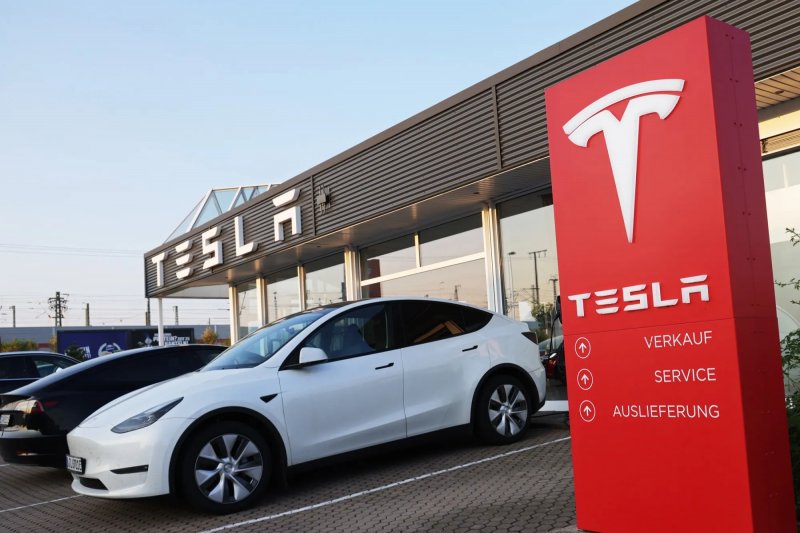
New registrations of Tesla vehicles increased across several European markets in May, continuing a recovery trend in the U.S. electric vehicle maker’s sales in Europe, News.Az reports, citing Reuters.
Tesla registrations, which are used as a proxy for sales, rose year over year by 655% to 5,446 vehicles in France and by 29% in Norway to 3,345 vehicles, according to figures from Norwegian data compiler OFV and the French automotive body PFA, both released on Monday.
Growth was also recorded in smaller European markets. Registrations increased by 136% compared with the previous year to 1,750 vehicles in Denmark, by 113% to 1,690 vehicles in Spain, by 349% to 1,463 vehicles in Portugal, and by 71% to 858 vehicles in Sweden, according to data from bilstatistik.dk, ANFAC, ACAP, and Mobility Sweden.
RECOMMENDED STORIES
In contrast, Tesla sales in Italy declined by 23.5% year over year to 654 vehicles. However, they still rose by more than 15% in the first five months of the year compared with the same period in 2025.
Overall, registrations of electrified vehicles in Europe increased by around 21% in April compared with the previous year, accounting for more than two-thirds of total vehicle registrations. This growth has been driven by policy support, subsidies, and higher fuel costs encouraging consumers to shift toward lower-emission vehicles, according to data from the European automobile industry association ACEA.
Although Tesla’s market share continues to decline, its sales are benefiting from strong overall expansion in the battery electric vehicle segment, particularly in Scandinavia and from a catch-up in markets such as Spain, said Rico Luman, senior economist at ING Research.
Data for Britain and Germany, Europe’s largest car markets, are expected to be released later this week.
Tesla, the world’s most valuable automaker by market capitalization, has lost nearly half of its European market share in 2025. This decline has been attributed to increasing competition, particularly from Chinese manufacturers, a lack of new model releases, and reactions to CEO Elon Musk’s political stance.
By Nijat Babayev


Similar news