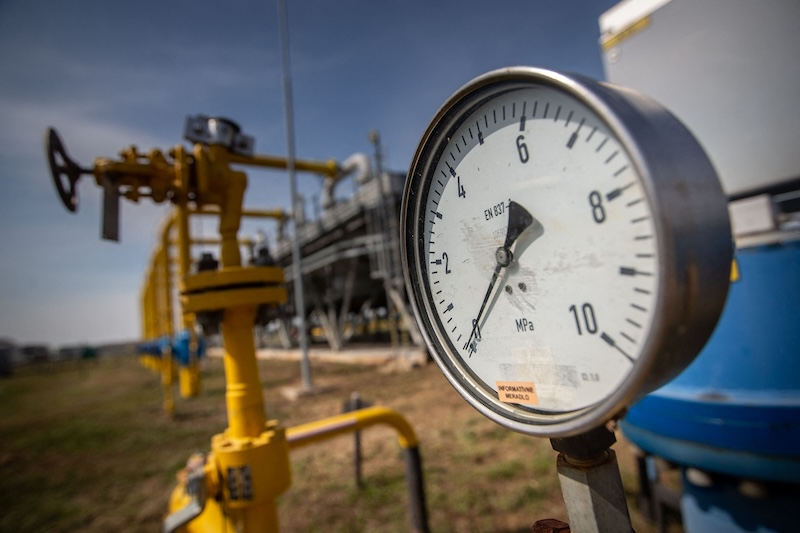
The regulation applies to both pipeline gas and liquefied natural gas (LNG). It will become law once the European Parliament approves it. Parliamentary negotiators have previously argued for a faster timeline, proposing a full ban from January 2027.
The regulation was passed with support from a majority of EU states. Hungary and Slovakia voted against the measure but were unable to block it due to qualified majority voting rules. Both countries receive substantial volumes of Russian energy and have raised concerns about supply security.
Lars Aagaard, Denmark’s energy minister, who chaired the meeting under his country’s rotating presidency of the EU Council, said the legislation would “make Europe stronger and more secure.” Aagaard added that while progress had been made in cutting Russian energy imports, “we are not there yet.”
The plan forms part of the EU’s broader REPowerEU initiative, launched after the invasion of Ukraine to restructure the bloc’s energy market. The European Commission has stated that reducing Russian fossil fuel imports is essential to the EU’s strategic independence.
As of October 2025, Russian gas still accounts for 13 percent of EU imports, worth over €15 billion annually. Russian oil, while largely reduced, continues to flow to some member states, particularly through the Soviet-era Druzhba pipeline. Imports of Russian oil are not part of the current regulation, though the European Parliament is pushing for a separate legal ban.
To enforce the gas import ban, member states agreed on new customs procedures and verification measures. Importers must provide documentation confirming the origin of LNG cargoes. Countries no longer receiving Russian gas will be exempt from submitting national energy diversification plans. Others must demonstrate how they intend to secure alternative supplies.
The regulation includes exceptions for landlocked states such as Hungary and Slovakia, allowing limited flexibility under specific circumstances.
The Parliament’s lead negotiator, Ville Niinistö, a Finnish MEP from the Greens, said last week that the EU must send a clear message to Moscow. “Russia has shown it is not a reliable trade partner,” Niinistö said. “We must never return to importing fossil fuels from Russia.”
The European Commission is also preparing a new sanctions package that would ban Russian LNG imports a year earlier, by January 2027. According to EU foreign policy chief Kaja Kallas, the sanctions could be adopted within days.