Global markets mixed as oil extends gains and equities diverge


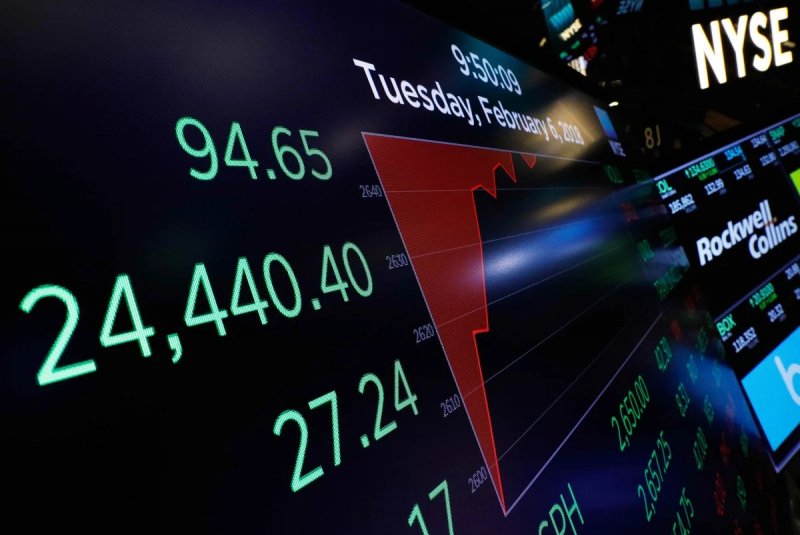
Global financial markets showed a mixed performance on April 28, 2026, as energy prices continued to climb while major equity indices delivered uneven results across regions.
Currency markets remained relatively stable, with only modest fluctuations against the US dollar, News.Az reports.
RECOMMENDED STORIES
Oil rallies further amid strong momentum
Crude oil prices maintained their upward trajectory, reinforcing a strong trend observed since the beginning of the year. Brent crude rose to 109.44 US dollars per barrel, gaining 1.21 dollars compared to the previous session and posting a substantial increase of 48.59 dollars since the start of 2026.
West Texas Intermediate also advanced, reaching 97.41 dollars per barrel, up by 1.04 dollars on the day and 39.99 dollars higher year to date. The continued rise in oil prices reflects persistent supply constraints and sustained global demand.
Gold retreats slightly from elevated levels
Gold prices edged lower, declining by 12.60 dollars to 4,681.10 dollars per ounce. Despite the daily drop, the precious metal remains significantly higher than at the beginning of the year, with a cumulative gain of 340 dollars. This suggests that safe haven demand continues to underpin gold, even as short term corrections occur.
US markets show mixed signals
On Wall Street, performance was mixed across major indices. The Dow Jones Industrial Average slipped by 62.92 points to 49,167.79, indicating mild selling pressure.
In contrast, the S&P 500 rose by 8.83 points to 7,173.91, while the Nasdaq Composite gained 50.50 points to reach 24,887.10. The divergence highlights ongoing sector rotation, with technology stocks continuing to provide upward support.
Asian markets outperform
Asian equities delivered strong gains, led by Japan. The Nikkei index surged by 821.18 points to 60,537.36, marking one of the most notable increases among major indices and reflecting investor optimism in the region.
China’s Shanghai Composite remained unchanged at 4,079.90, showing stability despite broader global volatility.
European markets under pressure
European stock markets displayed a more cautious tone. Germany’s DAX index declined by 45.45 points to 24,083.53, extending its negative performance for the year.
The United Kingdom’s FTSE 100 fell by 57.99 points to 10,321.09, while France’s CAC 40 recorded a marginal gain of 6.44 points to 4,086.34, though it remains sharply lower compared to the beginning of the year.
Regional indices show positive momentum
In emerging markets, Türkiye’s BIST 100 index climbed by 184.94 points to 14,594.01, continuing its strong yearly performance with a gain exceeding 3,300 points.
Russia’s RTS index also moved higher, rising by 10.71 points to 1,150.64, reflecting moderate investor confidence.
Currency markets remain stable
Currency trading was relatively subdued. The US dollar held steady against the euro at 1.1715 and against the British pound at 1.3533, with no daily change recorded.
The Japanese yen strengthened slightly, with the dollar falling by 0.44 to 158.98 yen.
Meanwhile, the Russian ruble weakened marginally to 74.97 per dollar, while the Turkish lira stood at 45.04 per dollar, maintaining its depreciation trend since the start of the year.
The Chinese yuan remained stable at 6.8284 per dollar, showing limited volatility.
Overall outlook
The latest data indicate a global market environment characterized by strong commodity performance, particularly in energy, alongside selective gains in equities. While Asian markets demonstrate resilience, European indices continue to face pressure, and US markets remain mixed.
Investors are likely to remain focused on macroeconomic signals, including inflation trends, central bank policies, and geopolitical developments, which continue to shape the trajectory of global financial markets.
By Faig Mahmudov


Similar news