Tightening balances could end LNG market's period of relative calm


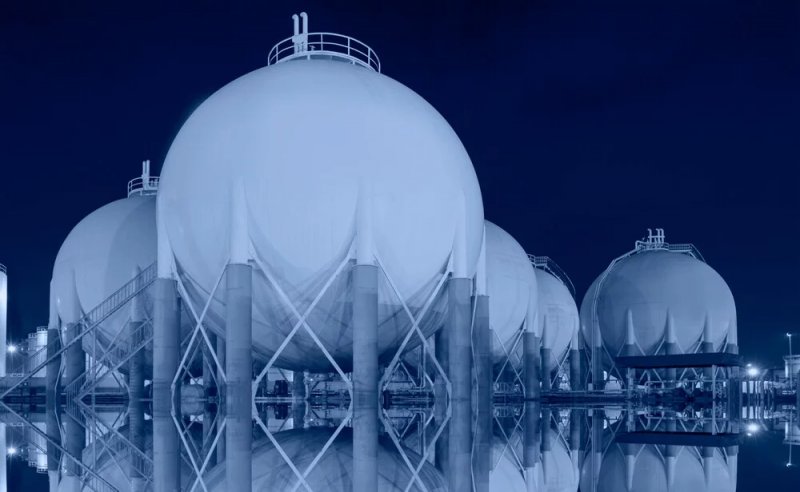
The global liquefied natural gas (LNG) market may be approaching a turning point as tightening supply balances threaten to disrupt the relative calm that has prevailed despite significant supply disruptions in recent months.
More than three months after the near closure of the Strait of Hormuz sharply reduced LNG exports from Qatar and the United Arab Emirates, market participants have largely remained confident that the disruptions would be temporary and manageable, News.az reports, citing EnergyIntel.
The crisis has removed an estimated 7 million tons of LNG per month from global trade flows, equivalent to roughly one fifth of worldwide LNG supplies.
Although LNG prices in both Asia and Europe have increased since the disruption began, they remain well below the extreme levels recorded following Russia's invasion of Ukraine in 2022. The market has been supported by greater supply diversification, expanded export capacity from new producers, and the development of alternative trade routes that have helped absorb part of the shock.
However, analysts warn that the current balance may become increasingly fragile in the coming months. Forecasts for a hotter than normal summer across the Northern Hemisphere are expected to boost electricity demand and increase consumption of natural gas for power generation. At the same time, European buyers are preparing for the next storage injection season, potentially intensifying competition for available LNG cargoes.
The combination of strong seasonal demand and constrained supply could place upward pressure on prices and alter market sentiment. Traders note that while inventories remain relatively comfortable for now, a prolonged disruption in Middle Eastern exports or an unexpected increase in demand could quickly tighten the market.
Asia is also expected to play a critical role in determining future price movements. Higher consumption from major importers such as China, Japan, and South Korea could increase competition with European buyers, reducing the availability of spot cargoes and pushing benchmark LNG prices higher.
Energy analysts say the market's resilience over the past several months reflects structural changes that have taken place since the energy crisis of 2022. Nevertheless, they caution that continued supply disruptions combined with seasonal demand growth could expose vulnerabilities that have so far remained hidden.
As a result, market participants are closely monitoring weather forecasts, storage levels, and developments in key shipping routes, with many expecting volatility to return if global LNG balances continue to tighten during the second half of the year.
By Faig Mahmudov


Similar news