Iran and Israel on edge: Is the conflict escalating again? - Explained


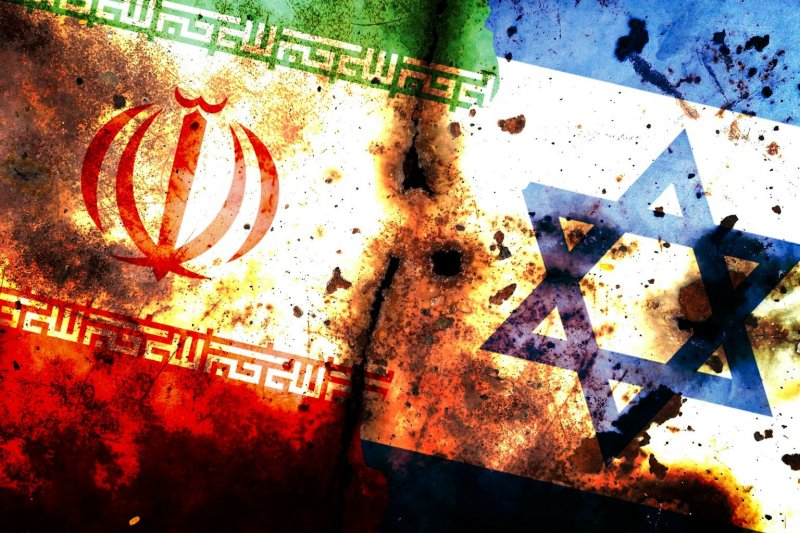
Tensions between Iran and Israel have once again reached a dangerous level, raising concerns that the Middle East could be heading toward another period of instability.
Although previous diplomatic efforts and ceasefire arrangements helped reduce direct military confrontation, recent events suggest that the underlying tensions between the two countries remain far from resolved, News.az reports.
The latest exchanges of threats, military activity, and regional maneuvering have fueled fears that the conflict could enter a new and more dangerous phase. While a full scale war has not broken out, the situation remains highly volatile, and developments over the coming days and weeks could have significant implications for the wider region.
What triggered the latest rise in tensions between Iran and Israel?
The latest escalation emerged from a combination of military actions, regional security concerns, and long standing hostilities between the two countries.
Iran and Israel have spent years confronting one another through indirect means, including intelligence operations, cyber activities, proxy forces, and targeted military strikes. While direct military exchanges have historically been limited, recent events have brought the two countries closer to direct confrontation.
Military operations involving Iranian aligned groups, Israeli security concerns, and broader regional developments have contributed to the current tensions. Each side accuses the other of threatening regional stability and national security.
As a result, even relatively limited incidents now carry the potential to trigger a much larger crisis.
Why is the relationship between Iran and Israel so hostile?
The hostility between Iran and Israel has deep political, ideological, and strategic roots.
Since the Iranian Revolution of 1979, relations between the two countries have steadily deteriorated. Iran does not recognize Israel and has consistently opposed Israeli policies in the region.
Israel, meanwhile, views Iran as one of its most significant security threats.
Israeli leaders have frequently expressed concerns about Iran's military capabilities, missile programs, regional alliances, and nuclear activities.
Over time, these disagreements have evolved into one of the Middle East's most important geopolitical rivalries.
The conflict extends far beyond bilateral relations and influences political developments across the entire region.
Why are analysts concerned that the current situation could become more dangerous?
The current situation is particularly concerning because it involves direct interactions between two powerful regional actors.
Historically, much of the confrontation between Iran and Israel occurred indirectly through allied groups and proxy organizations operating in different countries.
When tensions begin involving direct missile launches, military threats, or retaliatory actions, the risk of escalation increases significantly.
Military planners on both sides understand that even a limited exchange can quickly spiral into a broader conflict if either party miscalculates the other's intentions.
The presence of advanced missile systems, drones, and sophisticated military capabilities further increases the stakes.
How does Hezbollah influence tensions between Iran and Israel?
Hezbollah remains one of the most important factors in the Iran-Israel confrontation.
The Lebanese organization has maintained close ties with Iran for decades and is widely viewed as one of Tehran's most influential regional allies.
For Israel, Hezbollah represents one of the most immediate security challenges along its northern border.
Whenever fighting intensifies between Israel and Hezbollah, concerns naturally grow regarding Iran's possible involvement.
Israeli military actions targeting Hezbollah positions often generate reactions from Tehran, while Iranian support for Hezbollah remains a major source of concern for Israeli policymakers.
Because of these connections, developments in Lebanon frequently affect the broader relationship between Iran and Israel.
Why does every military incident create fears of a wider regional war?
The Middle East's security environment is highly interconnected.
A confrontation between Iran and Israel does not occur in isolation.
Multiple regional actors have interests that could be affected by escalating tensions, including:
• Lebanon
• Syria
• Iraq
• Gulf states
• The United States
• Various armed groups operating across the region
If hostilities intensify, additional actors could become involved either directly or indirectly.
This interconnected nature of regional security means that even localized incidents can have far reaching consequences.
Analysts therefore closely monitor every development for signs that a broader confrontation may be emerging.
What role is the United States playing in the current situation?
The United States remains one of the most influential external actors in the Middle East.
Washington has longstanding security relationships with Israel and maintains a significant military presence throughout the region.
At the same time, American policymakers generally seek to avoid a large scale regional conflict that could threaten global stability.
U.S. officials often attempt to balance support for allies with diplomatic efforts aimed at preventing escalation.
Whenever tensions rise between Iran and Israel, American diplomacy typically focuses on reducing the risk of miscalculation and encouraging restraint.
The United States also plays an important role in any negotiations involving Iran's nuclear activities and broader regional security issues.
Are diplomatic efforts between Iran and the United States still relevant?
Yes.
Even during periods of heightened tension, diplomatic channels often remain active.
Negotiations and indirect contacts can serve as important mechanisms for reducing misunderstandings and managing crises.
Although military incidents may complicate diplomacy, they do not necessarily end negotiations altogether.
In many cases, periods of tension actually increase the importance of diplomatic engagement because the costs of escalation become more apparent.
The success or failure of ongoing diplomatic efforts could significantly influence future developments between Iran and Israel.
Why are global markets closely watching developments?
Financial markets are extremely sensitive to instability in the Middle East.
The region remains one of the world's most important energy producing areas, and disruptions can have global consequences.
Whenever tensions rise between Iran and Israel, investors become concerned about:
• Oil supplies
• Energy infrastructure
• Shipping routes
• Regional trade
• Investment flows
Even if no major disruptions occur, uncertainty alone can influence commodity prices and financial markets.
Because energy markets affect economies worldwide, developments involving Iran and Israel attract international attention far beyond the Middle East.
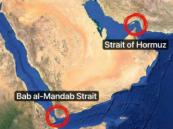
Why is the Strait of Hormuz often mentioned during periods of tension?
The Strait of Hormuz is one of the world's most strategically important waterways.
A substantial portion of global oil exports passes through this narrow maritime corridor.
Any threat to shipping in the area could affect international energy supplies and increase transportation costs.
Whenever tensions involving Iran rise, concerns about maritime security in and around the Strait of Hormuz typically increase as well.
This explains why governments, energy companies, and financial markets closely monitor developments in the region.
Could the current tensions lead to a full scale war?
While a full scale war is not inevitable, the possibility cannot be completely dismissed.
Several factors reduce the likelihood of a major conflict.
Both Iran and Israel understand that a large war would carry enormous military, economic, and political costs.
Regional governments also generally prefer stability over confrontation.
However, the danger lies in the possibility of unintended escalation.
History has shown that conflicts sometimes emerge not because leaders seek war, but because a series of retaliatory actions gradually spirals out of control.
This is why many international observers are urging caution and restraint.
What would a major Iran-Israel war look like?
A large scale conflict would likely differ significantly from previous confrontations.
Rather than a single battlefield, the conflict could involve multiple fronts across the region.
Potential elements could include:
• Missile exchanges
• Drone attacks
• Air operations
• Cyber warfare
• Maritime incidents
• Activities involving regional allies and armed groups
Such a conflict would carry significant risks for civilians, infrastructure, and regional economies.
The consequences would likely extend far beyond the immediate participants.
How could ordinary people across the region be affected?
The impact of a major escalation would not be limited to governments and militaries.
Ordinary citizens could face numerous challenges, including:
• Increased insecurity
• Economic uncertainty
• Higher energy prices
• Disruptions to trade
• Transportation challenges
• Humanitarian concerns
In conflict zones, civilians are often among those most affected by prolonged instability.
This is one reason why international organizations continue to emphasize the importance of preventing further escalation.
Why are missile and drone technologies changing the nature of the conflict?
Modern military technologies have transformed regional security dynamics.
Missiles and drones can strike targets at long distances with increasing precision.
These capabilities reduce geographical barriers and increase the speed at which crises can develop.
As a result, decision makers often have less time to assess situations and respond appropriately.
This accelerated pace increases the importance of communication, diplomacy, and crisis management.
What happens next?
Several scenarios remain possible.
The first scenario involves successful diplomatic efforts that reduce tensions and restore a degree of stability.
A second possibility is continued limited confrontation involving symbolic military actions and restrained responses.
A third scenario would involve a gradual escalation in which repeated retaliatory actions lead to a broader conflict.
Which path emerges will depend on political decisions, military calculations, and diplomatic developments over the coming weeks.
Why does this latest crisis matter?
The current tensions demonstrate that the underlying issues dividing Iran and Israel remain unresolved.
Despite previous ceasefires and diplomatic initiatives, mutual distrust continues to shape the relationship between the two countries.
The latest developments serve as a reminder that the Middle East remains vulnerable to sudden escalations capable of affecting regional and global stability.
Whether the situation stabilizes or deteriorates further will have implications not only for Iran and Israel but also for neighboring countries, international diplomacy, global energy markets, and broader international security.
By Faig Mahmudov


Similar news