India orders drugmakers to upgrade plants after deadly cough syrup scandal


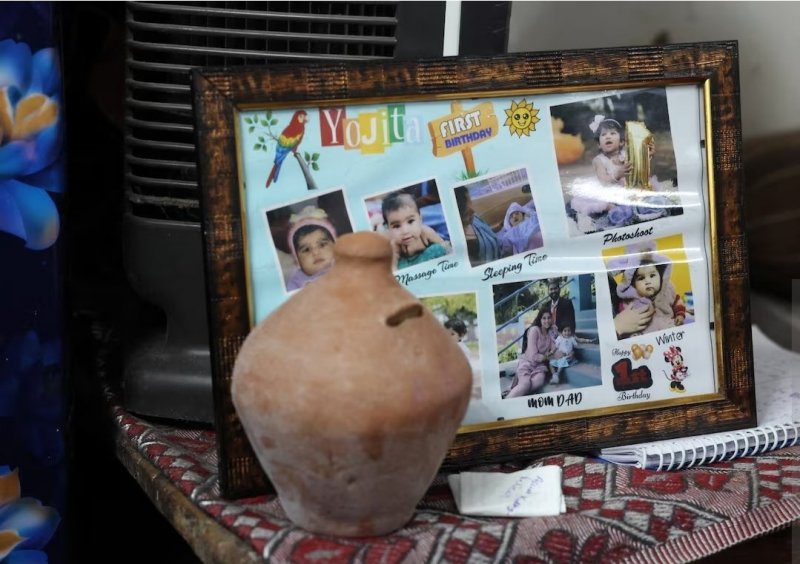
India has rejected requests from pharmaceutical companies to delay a year-end deadline for upgrading their manufacturing facilities to international standards, following the deaths of at least 24 children linked to toxic cough syrup.
The move comes amid public outrage after tests revealed that Coldrif cough syrup, produced by Sresan Pharmaceutical Manufacturer, contained dangerously high levels of diethylene glycol (DEG) — a toxic chemical. Government testing showed DEG levels nearly 500 times above the legal and World Health Organization (WHO) limit, News.az reports, citing Reuters.
Officials said the decision to enforce the deadline was finalized after confirming the contamination and subsequent deaths. Smaller pharmaceutical firms had sought more time, warning that the costs of compliance could drive many out of business. However, regulators insisted that public safety could not be compromised.
“The deadline cannot be extended again and again — people are dying,” one official told Reuters.
India’s health ministry had initially ordered drugmakers in late 2023 to adopt WHO-recommended manufacturing standards, including stricter contamination controls and mandatory batch testing. While major firms met the June 2024 target, smaller ones were granted an extension until December.
Authorities have since revoked Sresan’s license, banned its products, and arrested its founder, S. Ranganathan, on manslaughter charges. The company’s facilities in Chennai have been shut down after inspectors found severe safety violations.
The Coldrif syrup deaths have reignited debate about India’s drug safety standards and its reputation as the “pharmacy of the world.” Officials plan to phase out additional government testing for exported medicines once all manufacturing plants comply with WHO standards.
In affected regions like Madhya Pradesh, health workers are conducting door-to-door campaigns to recall remaining bottles of the syrup and raise awareness about the dangers of counterfeit and contaminated medicines.
“We never imagined a simple medicine could turn life-threatening,” said Nilesh Suryavanshi, whose three-year-old son died after taking Coldrif. “The government must ensure no other parent suffers like this.”


Similar news