IOM launches $18.5M appeal to aid mpox patients in Africa


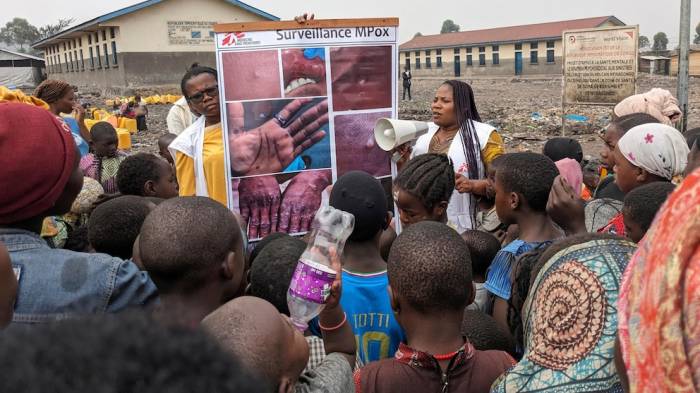
The International Organization for Migration (IOM) on Wednesday launched an appeal for $18.5 million to provide crucial health-care services to migrants, internally displaced persons (IDPs), and host communities in East, Horn, and Southern Africa at risk of mpox.
“The spread of mpox across East, Horn, and Southern Africa is a grave concern, especially for the vulnerable migrant, highly mobile populations and displaced communities often overlooked in such crises,” said Amy Pope, IOM Director General, News.Az reports citing the organization's website.“We must act swiftly to protect those at the highest risk and to mitigate the impact of this outbreak on the region.”
Mpox has been affecting people in the region for over a decade. The rapid spread of the new strain of the disease led the World Health Organization to declare mpox a public health emergency of international concern on 14 August.
To date, there are over 15,000 suspected cases in Democratic Republic of the Congo alone, including 537 deaths, according to the World Health Organization. Other cases have been confirmed in Burundi, Kenya, Rwanda, South Africa and Uganda. The disease is transmitted from animals to humans and spread by close contact with infected individuals or animals, through respiratory droplets, blood, body fluids, or lesions. Symptoms include fever, rash, headaches, sore throat, muscle aches, swollen lymph nodes, and back aches.
IOM is concerned about migrants, IDPs, and highly mobile populations in the region who tend to be at far greater risk of infection due to their living conditions, and mobile and transitory lifestyles, which can greatly limit their access to health and medical care. IOM's appeal and preparedness and response plan is designed to reduce the risk of exposure to the disease for these vulnerable groups.
The required USD 18.5 million will be used to enhance the capacity to respond to the needs of migrants, IDPs, and host communities, by supporting infection, prevention, and control measures, particularly at borders. The funding would further build the capacity of national health-care workers and front-line responders, and enable the identification of high-risk areas to ensure effective monitoring of the disease and reduce its spread across borders.


Similar news