Islam's holiest sites emptied by coronavirus crisis as Ramadan begins


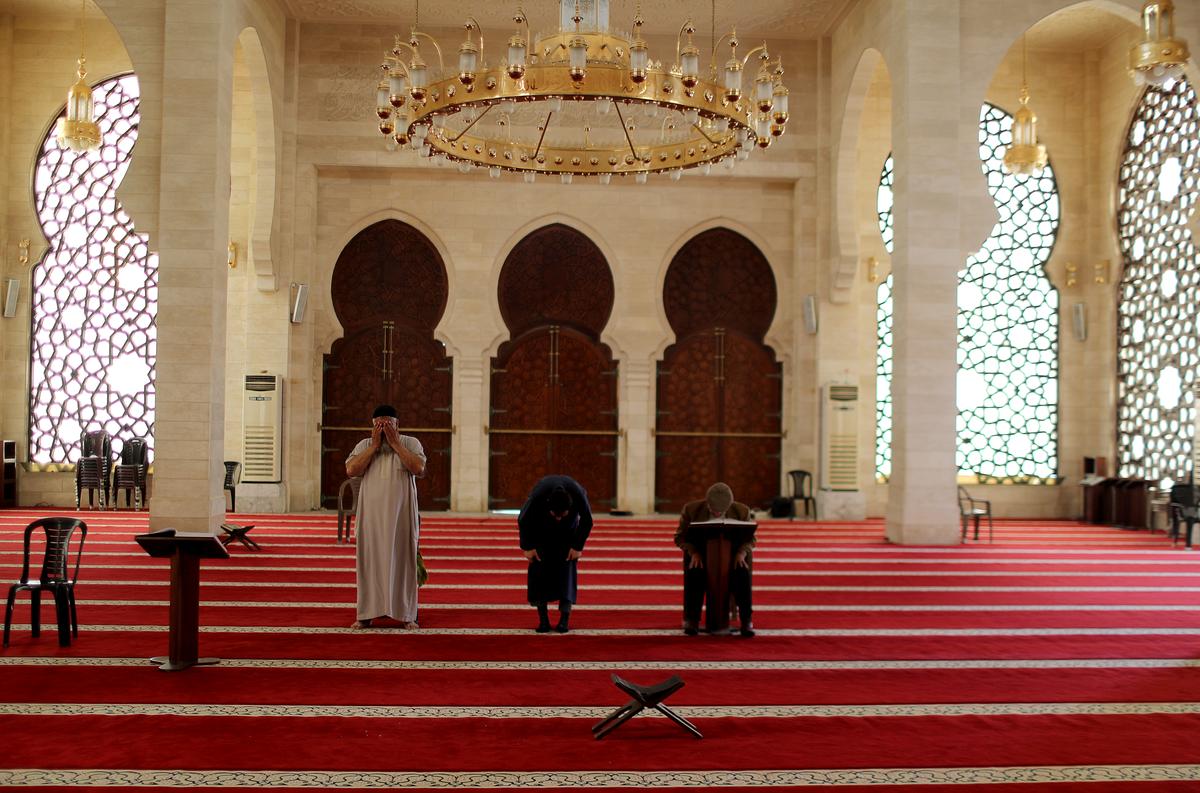
The holy month of Ramadan began on Friday with Islam’s holiest sites in Saudi Arabia and Jerusalem largely empty of worshippers as the coronavirus crisis forced
During Ramadan, Muslims the world over join their families to break the fast at sunset and go to mosques to pray. But the pandemic has changed priorities, with curbs on large gatherings for prayers and public iftars, or meals to break the fast.
In a rare occurrence in Islam’s 1,400 year history, Mecca’s Grand Mosque and the Prophet’s Mosque in Medina - the religion’s two holiest locations - will be closed to the public during the fasting period.
Prayers from inside the mosque at Mecca on the first evening of Ramadan on Thursday were restricted to clerics, security staff and cleaners. The ceremony was broadcast live on television.
At a near-empty Al-Aqsa Mosque in Jerusalem, an imam called out the first Friday prayers of Ramadan, his voice echoing across a windswept plateau almost devoid of worshippers.
A handful of Muslim clerics in face masks knelt below the pulpit, keeping several feet apart in compliance with coronavirus restrictions.
“We ask God to have mercy on us and all of humanity and to save us from this lethal pandemic,” the imam said.
Ramadan typically draws tens of thousands of Muslims daily to the mosque and the adjoining Dome of the Rock. Worshippers will instead have to watch prayers broadcast on television.
Muslim worshippers around the world are facing Ramadan without the usual large gatherings for prayers due to coronavirus closures.

News.Az


Similar news