Israel, Hamas, and Hezbollah: What happened in recent days?


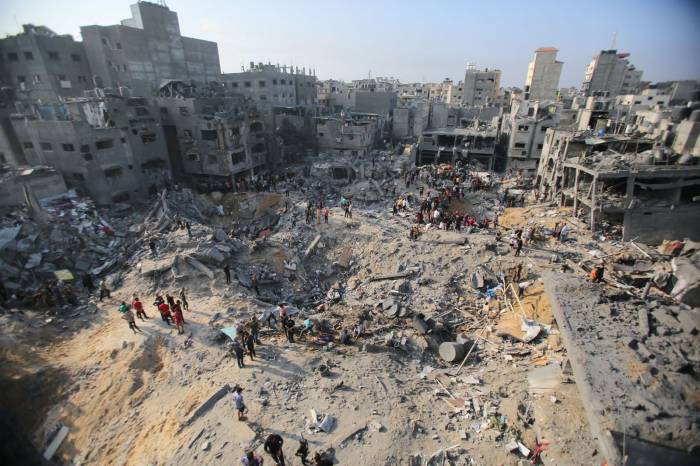
The conflict in the Middle East remains a focal point of global attention , with recent events signaling further intensification of tensions between Israel and various groups, including Hamas, Hezbollah, and Iran-backed factions.
The Israeli Defense Forces (IDF) have continued their operations in Gaza, targeting militant cells and their infrastructure. On August 31, the Israeli Air Force struck a building in Gaza City that was being used by militants. Meanwhile, in the West Bank, the IDF has been conducting raids for four consecutive days, aimed at dismantling networks of Palestinian militants. One of these raids resulted in the killing of Hamas' Jenin battalion commander Wissam Khazem and two of his subordinates.
On August 30, the Israeli Air Force carried out a targeted strike that killed Muhammad Qatrawi, the commander of the Palestinian Islamic Jihad's Central Camps Brigade. The strike took place in the central Gaza Strip, where Qatrawi was located at the time.
On August 31, Hezbollah launched a significant drone assault on Israel, claiming to have fired over 320 Katyusha rockets at 11 Israeli military sites. This attack was in retaliation for the death of a senior Hezbollah military leader in July. In response, Israel struck Hezbollah positions in Lebanon, citing self-defense against detected preparations to launch missiles into Israel.
Iran continues to actively support the actions of its proxies, including Hezbollah and groups in Iraq, against Israel. Iranian state media have been highlighting the successes of these operations, especially Hezbollah's use of drones.
Amidst the military operations, a mass polio vaccination campaign is set to begin in the Gaza Strip on September 1. The IDF has agreed to pause military activities in certain areas for nine hours daily to ensure the safety of the humanitarian mission.
At the same time, diplomatic efforts to negotiate a ceasefire are ongoing, though progress remains limited. Israeli Prime Minister Benjamin Netanyahu is expected to arrive in Washington, raising concerns about a potential wider conflict in the Middle East.
These developments underscore the continuing tension and active military engagements in the region, sparking fears of further escalation involving multiple parties.
The Israeli Defense Forces (IDF) have continued their operations in Gaza, targeting militant cells and their infrastructure. On August 31, the Israeli Air Force struck a building in Gaza City that was being used by militants. Meanwhile, in the West Bank, the IDF has been conducting raids for four consecutive days, aimed at dismantling networks of Palestinian militants. One of these raids resulted in the killing of Hamas' Jenin battalion commander Wissam Khazem and two of his subordinates.
On August 30, the Israeli Air Force carried out a targeted strike that killed Muhammad Qatrawi, the commander of the Palestinian Islamic Jihad's Central Camps Brigade. The strike took place in the central Gaza Strip, where Qatrawi was located at the time.
On August 31, Hezbollah launched a significant drone assault on Israel, claiming to have fired over 320 Katyusha rockets at 11 Israeli military sites. This attack was in retaliation for the death of a senior Hezbollah military leader in July. In response, Israel struck Hezbollah positions in Lebanon, citing self-defense against detected preparations to launch missiles into Israel.
Iran continues to actively support the actions of its proxies, including Hezbollah and groups in Iraq, against Israel. Iranian state media have been highlighting the successes of these operations, especially Hezbollah's use of drones.
Amidst the military operations, a mass polio vaccination campaign is set to begin in the Gaza Strip on September 1. The IDF has agreed to pause military activities in certain areas for nine hours daily to ensure the safety of the humanitarian mission.
At the same time, diplomatic efforts to negotiate a ceasefire are ongoing, though progress remains limited. Israeli Prime Minister Benjamin Netanyahu is expected to arrive in Washington, raising concerns about a potential wider conflict in the Middle East.
These developments underscore the continuing tension and active military engagements in the region, sparking fears of further escalation involving multiple parties.


Similar news