Musk predicts driverless cars will spread across the US this year


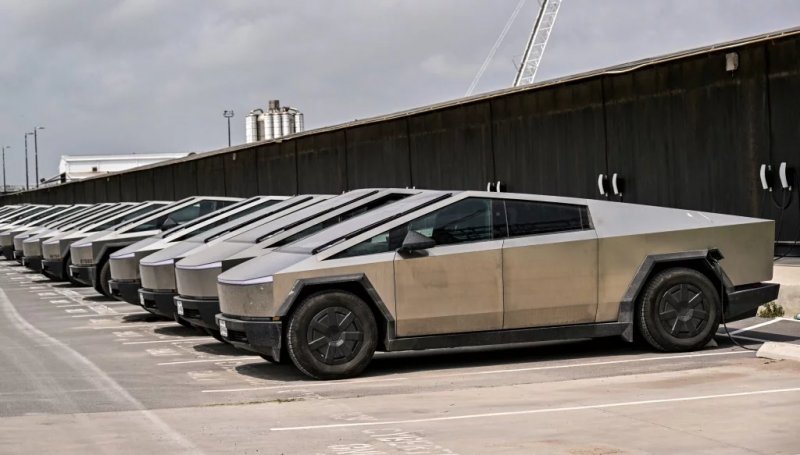
Tesla CEO Elon Musk said fully self-driving vehicles without human safety monitors are expected to become more widely available across the United States later this year as the company expands its autonomous driving program.
Speaking via video link at the Smart Mobility Summit in Tel Aviv, Musk said Tesla’s self-driving cars are already operating in Texas without human monitors and that the technology would expand nationwide in 2026, News.Az reports, citing Claims Journal.
Tesla currently operates robotaxi services in Austin, Dallas and Houston as the company continues to push forward with autonomous transportation despite slowing vehicle sales. However, Reuters previously reported that some users experienced long waiting times and limited vehicle availability during tests of the service.
RECOMMENDED STORIES
Last November, Tesla also received approval to operate a ride-hailing service in Arizona, further expanding its autonomous vehicle plans in the United States.
Musk said he believes self-driving technology will dominate transportation within the next decade.
“Five years from now and certainly 10 years from now … probably 90% of all distance driven will be driven by the AI in a self-driving car,” Musk said. “So overwhelmingly, it’ll be quite a niche thing in 10 years to actually be driving your own car.”
The comments come as Tesla continues facing regulatory and safety scrutiny. Earlier this month, the company recalled more than 218,000 vehicles in the United States over delayed rearview camera images that could increase crash risks, according to the National Highway Traffic Safety Administration.
Alphabet-owned Waymo also recently recalled around 3,800 robotaxis in the US after identifying a risk linked to vehicles entering flooded roads.
During the summit, Musk also discussed developments at SpaceX and Neuralink. He said SpaceX is close to developing fully reusable rocket launch systems that could significantly reduce the cost of space travel.
“We might succeed in doing that this year,” Musk said, adding that such technology could mark a major turning point for human space exploration.
Musk also revealed that Neuralink plans to carry out its first Blindsight implant later this year, aiming to help people born without sight or with impaired vision regain limited vision capabilities.
In addition, Musk predicted that humanoid robots would become common within the next decade and could help drive economic growth and higher living standards worldwide.
By Leyla Şirinova


Similar news